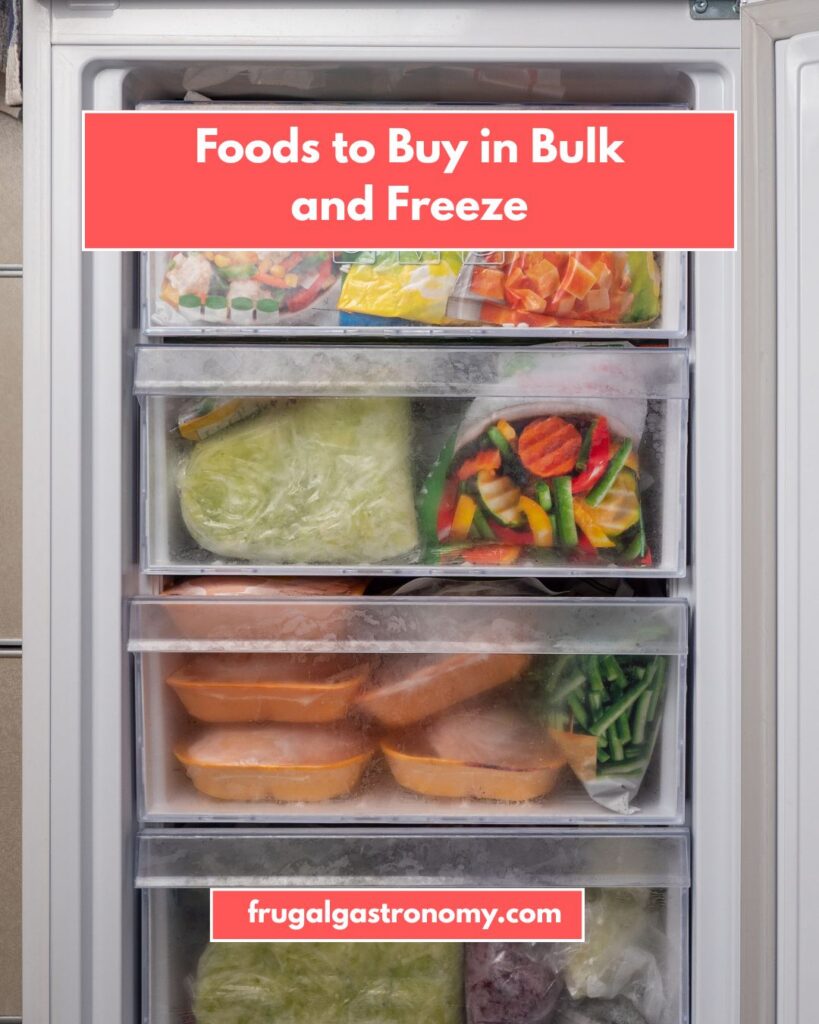
Your freezer is one of the most powerful money-saving tools in your kitchen, and most households are barely using it. The average home freezer sits half-full of ice trays, a few forgotten leftovers, and maybe a bag of peas that’s been there since last winter. That’s a significant missed opportunity, because a well-stocked, strategically filled freezer can cut your weekly grocery bill meaningfully, reduce food waste almost entirely, and make home cooking faster and more flexible on any given weeknight.
The concept is straightforward: buy food when the price is right, store it correctly, and use it on your schedule instead of the grocery store’s. Proteins go on sale. Produce comes into season. Bread gets marked down at the end of the day. The freezer lets you take advantage of every one of those moments without anything going to waste, and without scrambling to cook a week’s worth of a single ingredient before it turns.
This guide covers the best foods to buy in bulk and freeze, how long each one keeps at peak quality, and the storage habits that make the difference between food that comes out of the freezer tasting fresh and food that comes out tasting of nothing in particular.
Why Buying in Bulk and Freezing Works
Before getting into the specifics, it helps to understand what the freezer is actually doing to your food. Freezing doesn’t kill bacteria or destroy nutrients to any significant degree. What it does is slow microbial activity and enzymatic processes to a near standstill, effectively pausing the clock on spoilage. This is why a steak you freeze on the day of purchase will taste essentially the same six months later as it would have tasted fresh, provided it was wrapped and stored correctly.
The enemy of frozen food quality is not time so much as air exposure. When food is improperly packaged, moisture migrates to the surface and crystallizes, creating the dry, discolored patches known as freezer burn. Freezer-burned food is still safe to eat but the texture and flavor suffer considerably. The solution is simple and applies across every category: remove as much air as possible before freezing, use good quality freezer bags or airtight containers, and label everything with the date.
A vacuum sealer is the most effective tool for long-term bulk freezing and costs around $30 to $80 for a reliable home unit. For shorter-term storage and occasional use, a good quality zip-lock freezer bag with the air pressed out before sealing works well enough for most foods.
Meat and Poultry
Meat is where bulk buying and freezing delivers the most significant financial return, because protein is the most expensive component of most grocery carts and the one most subject to short-term price fluctuation. Buying meat in bulk when it’s on sale and freezing it in portion-sized packages is one of the highest-leverage grocery habits a home cook can build.
Ground beef is the single best meat to buy in bulk for most households. It’s versatile enough to anchor dozens of different meals (tacos, pasta sauces, burgers, meatballs, stir-fries, casseroles), freezes exceptionally well, and is one of the most frequently discounted items in the meat section. Buy the largest pack available when the price is right, divide into one-pound portions, and freeze flat in zip-lock bags. Flat freezing maximizes freezer space and speeds up thawing time significantly. Ground beef keeps at peak quality for three to four months in the freezer.
Chicken is equally well-suited to bulk buying and freezing. Bone-in, skin-on chicken thighs and drumsticks freeze beautifully, are consistently cheaper per pound than breasts, and maintain excellent texture through the freeze-thaw cycle. Whole chickens can be frozen for up to a year, while chicken parts are best used within nine months. Wrap individual pieces tightly in plastic wrap before placing in a freezer bag to prevent pieces from fusing together and to minimize air exposure.
Pork freezes just as reliably as beef and chicken. Pork chops, pork belly, and pork tenderloin are all good candidates for bulk buying, and pork is one of the proteins that goes on significant sale most frequently. Cooked pulled pork or carnitas also freezes exceptionally well, making it a good candidate for large batch cooking and freezing in meal-sized portions.
Shrimp deserves specific mention because it’s one of the most convenient proteins in the freezer. A bag of frozen shrimp thaws in 15 to 20 minutes under cold running water and cooks in three to four minutes, making it one of the fastest paths from freezer to dinner table available. Buying in warehouse quantities typically brings the price to around $6.50 to $8.50 per pound versus $8 to $12 per pound for smaller grocery packs. Shrimp keeps at best quality for three to six months.
Bread and Baked Goods
Bread is one of the most commonly wasted foods in any household, and freezing is the straightforward fix. A fresh loaf of quality bread bought on sale, or the second loaf of a buy-one-get-one deal, goes into the freezer and comes out tasting fresh when thawed. Slice the loaf before freezing so you can pull out individual slices as needed rather than having to thaw the entire thing at once.
Bread keeps in the freezer for up to three months without meaningful quality loss. To thaw, leave slices at room temperature for 15 to 20 minutes or pop them straight into the toaster from frozen. The toaster-from-frozen approach works particularly well for sandwich bread and produces a result indistinguishable from fresh.
English muffins, bagels, pita bread, tortillas, burger buns, and dinner rolls all freeze equally well using the same approach. If you regularly bake at home, par-baked rolls (baked until set but not browned) can be frozen and finished in a hot oven directly from frozen in about 10 minutes, producing fresh-from-the-oven results on demand.
Fruits and Vegetables
This is the category where freezing addresses two problems at once: the high cost of out-of-season produce and the frustrating waste that comes from fresh produce that goes bad before you get to it.
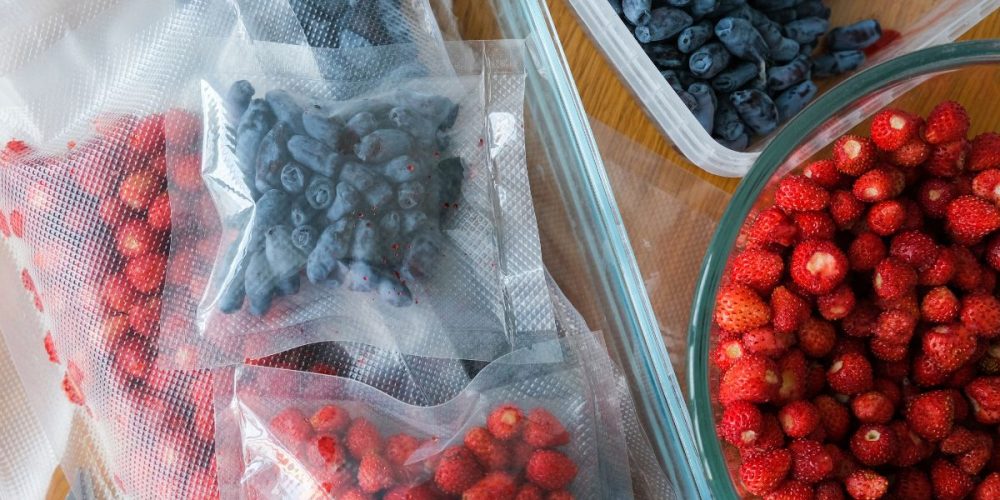
Berries are one of the best produce items to buy in bulk and freeze, particularly during peak season when prices drop and quality peaks. Strawberries, blueberries, raspberries, and blackberries freeze beautifully and work straight from frozen in smoothies, oatmeal, yogurt, sauces, and baked goods. The freezing technique matters here: spread berries in a single layer on a lined baking sheet and freeze until solid before transferring to a freezer bag. This flash-freezing step prevents the berries from clumping into a single frozen mass and lets you pour out exactly the quantity you need. Berries keep at peak quality for eight to twelve months.
Bananas that are past their prime for eating fresh are ideal freezing candidates rather than compost material. Peel them, break into chunks, and freeze in a zip-lock bag. Frozen banana chunks are the backbone of a thick, ice cream-like blended dessert, add natural sweetness and body to smoothies, and make excellent banana bread when thawed and mashed. A bunch of overripe bananas that would otherwise be thrown away becomes a useful freezer asset in ten minutes of prep.
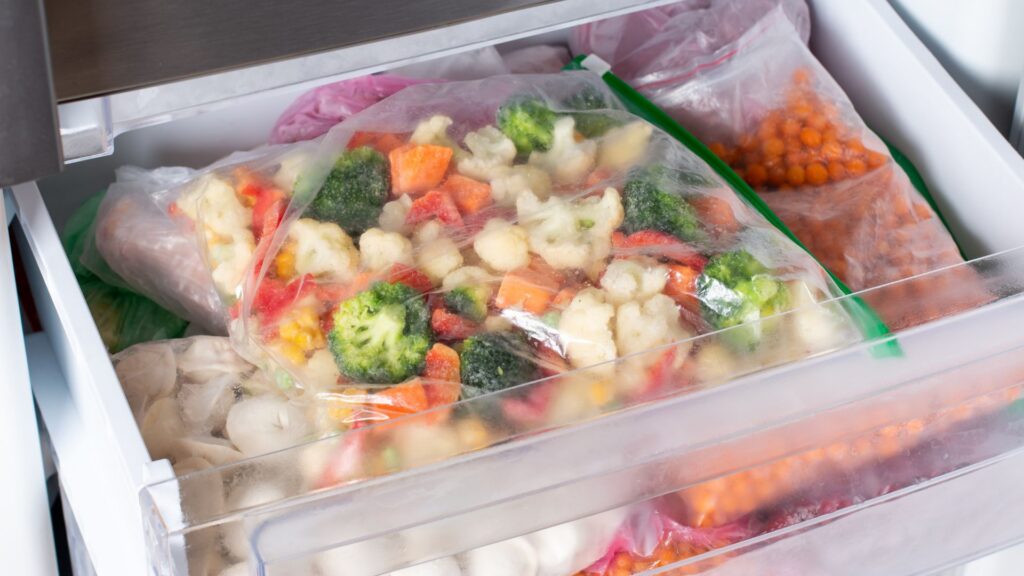
Vegetables that benefit from blanching before freezing include broccoli, green beans, carrots, and corn. Blanching involves briefly boiling the vegetables (two to three minutes) and then plunging them into ice water to stop the cooking process before draining and freezing. This step deactivates the enzymes responsible for color, texture, and flavor degradation during freezer storage. Softer vegetables like spinach, kale, and other leafy greens can be frozen raw without blanching, though they will lose their texture and are best used cooked after thawing rather than fresh. Most vegetables keep at peak quality for eight to twelve months when properly blanched and stored.
Bell peppers are a particularly smart bulk-buy for the freezer. They require no blanching, can be seeded and sliced before freezing on a baking sheet, and go directly from frozen into stir-fries, fajitas, soups, and egg dishes without any thawing step. When bell peppers are in season and priced low, buying several pounds and spending 20 minutes prepping and freezing them produces a six-month supply of a vegetable that costs considerably more out of season.
Dairy
Dairy is a section of the grocery store where most people don’t consider bulk buying and freezing, which means the savings opportunity here tends to be underutilized.
Butter freezes almost perfectly and keeps for up to a year in the freezer with no meaningful quality loss. When butter goes on sale, buying several pounds and storing them in the freezer costs the same per box as the sale price for the entire year. Move one box to the refrigerator as needed. This is one of the simplest and most low-effort bulk freezing strategies available.
Cheese freezes well with one important caveat: the texture changes after freezing and thawing, becoming more crumbly than it was fresh. This makes previously frozen cheese ideal for cooking applications (pasta dishes, casseroles, pizza, quesadillas) where the cheese will melt, but less suitable for slicing onto a sandwich or serving on a cheese board. Shred or cube cheese before freezing so it doesn’t require cutting after thawing. Hard cheeses like cheddar, mozzarella, and parmesan freeze better than soft cheeses.
Milk can be frozen by removing a small amount from the top of the jug first to allow for expansion, then sealing and freezing. Thaw in the refrigerator overnight and shake well before using. The texture separates slightly after thawing but homogenizes with shaking and works well for cooking and baking applications.
Cooked Grains and Legumes
This category sits at the intersection of bulk buying and batch cooking, and it’s one of the most practical freezer strategies for busy households.
Cooked rice, quinoa, and other grains freeze exceptionally well and reheat directly from frozen in the microwave in two to three minutes. Cooking a large pot of rice, dividing it into meal-sized portions in zip-lock bags (frozen flat), and stacking them in the freezer produces a supply of ready grain sides and bowl bases that costs a few dollars and saves time throughout the week. Cooked rice keeps in the freezer for up to two months at best quality.
Cooked beans and lentils freeze just as effectively. Buying dry beans instead of canned can save you 50% or more per pound, and they last longer. Cooking a large batch of dried beans, portioning into roughly one-and-a-half cup amounts (the equivalent of a standard can), and freezing flat in bags gives you the convenience of canned beans at the price of dried ones. Cooked beans keep in the freezer for up to three months.
Soups, Stocks, and Sauces
Homemade stocks and soups freeze beautifully and represent some of the best value for freezer space in terms of how much they improve everyday cooking.
A batch of homemade chicken stock made from a leftover carcass, some aromatics, and water costs almost nothing and produces something that is genuinely superior to the carton stock at the grocery store. Strain it, cool it completely, and freeze in one-cup and two-cup portions in zip-lock bags frozen flat. Having homemade stock in the freezer on demand changes the quality of soups, sauces, risottos, and braises in a way that is immediately noticeable. Stock keeps in the freezer for up to six months.
Pasta sauces made in large batches, chili, lentil soup, and bean-based stews all freeze without meaningful quality loss and reheat in 15 minutes on the stovetop. Making double or triple batches of these dishes on weekends and freezing the extra in meal-sized portions creates a personal ready-meal supply that costs a fraction of equivalent convenience food and tastes considerably better.
A Quick Reference: Freezer Storage Times
Knowing how long each food keeps at best quality prevents the equally frustrating problem of food that was frozen correctly but held too long.
- Ground beef: 3 to 4 months
- Chicken parts: up to 9 months
- Whole chicken: up to 12 months
- Pork chops and roasts: 4 to 6 months
- Shrimp: 3 to 6 months
- Bread and baked goods: up to 3 months
- Berries and fruit: 8 to 12 months
- Blanched vegetables: 8 to 12 months
- Butter: up to 12 months
- Hard cheese (shredded or cubed): up to 6 months
- Cooked grains: up to 2 months
- Cooked beans and lentils: up to 3 months
- Soups, stocks, and sauces: 4 to 6 months
These are quality guidelines rather than safety deadlines. Food held beyond these windows remains safe to eat but may show some loss of texture or flavor.
Storage Habits That Make the Difference
The technique gap between food that comes out of the freezer tasting great and food that doesn’t comes down to a few consistent habits rather than any specialized equipment.
Label everything before it goes in. A zip-lock bag of ground beef and a zip-lock bag of Italian sausage look identical after two months in the freezer. A strip of masking tape and a marker takes five seconds and saves significant frustration later. Include the contents and the date.
Freeze in usable portions rather than bulk masses. A single two-pound block of frozen ground beef is far less convenient than four half-pound portions. The extra two minutes of portioning before freezing saves meaningful time and frustration every time you go to use it.
Cool cooked foods completely before freezing. Putting warm food into the freezer raises the temperature of everything around it and can partially thaw neighboring items. Cool soups and cooked grains at room temperature for 30 minutes, then refrigerate until cold before transferring to the freezer.
Rotate your stock. New items go to the back, older items come to the front. This prevents the situation where a bag of chicken thighs bought six months ago is perpetually being pushed behind newer purchases and forgotten until it’s past its quality window.
The Bottom Line
A well-used freezer doesn’t just store food. It changes how you shop, how you cook, and how much you spend. Buying proteins in bulk when they’re on sale, stocking seasonal produce at its cheapest point, and batch cooking grains and legumes to freeze in usable portions all deliver real, compounding savings over time without requiring anything more than a little planning and the right storage habits.
The smartest approach is to start with one category, build the habit, and expand from there. Begin with ground beef and chicken thighs since those deliver the most immediate financial return. Add bread and butter because they’re the easiest. Then work through produce as the seasons shift. Within a month, you’ll have a freezer that functions as a genuine resource rather than an afterthought, and a grocery bill that reflects it.