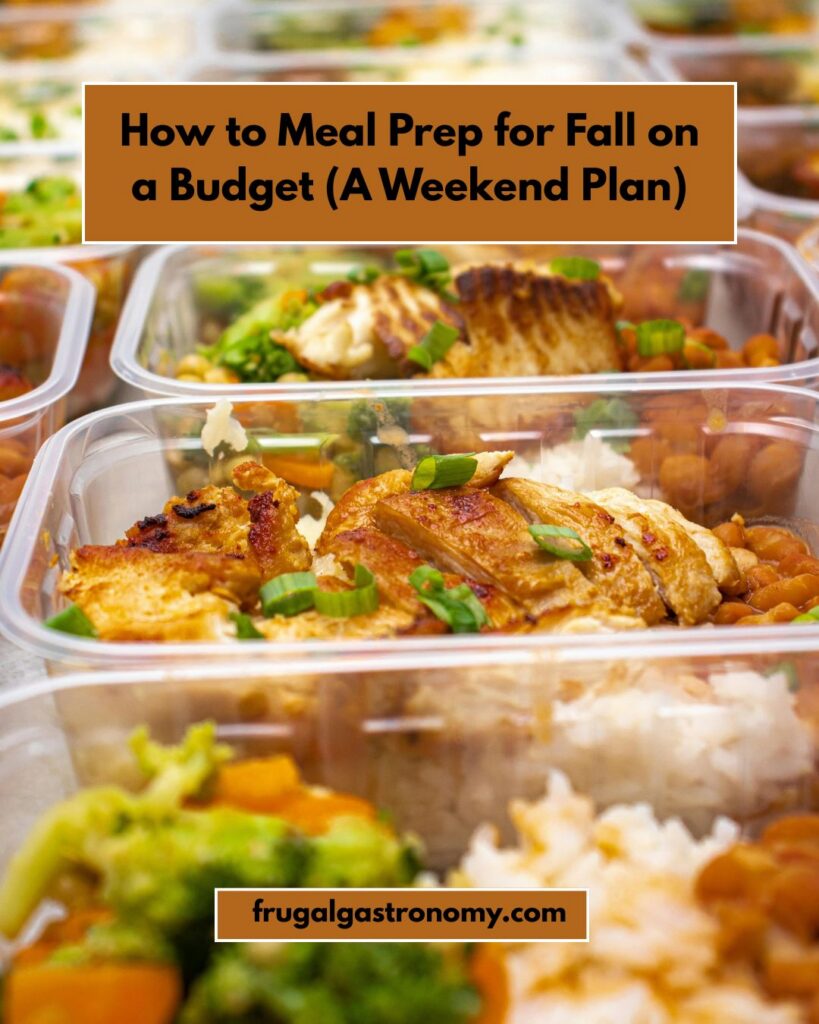
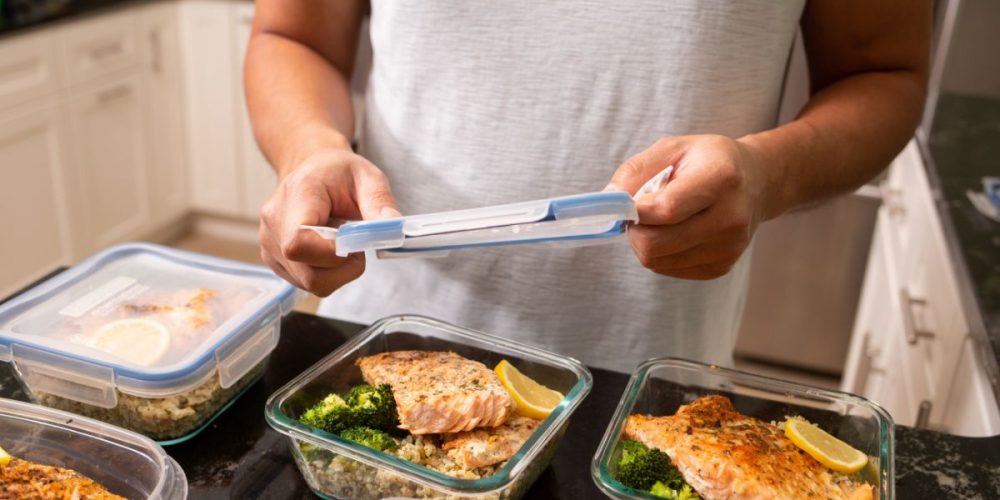
Meal prep has a reputation for being either a fitness influencer habit or a logistical undertaking that requires more containers than a restaurant kitchen. Neither version is particularly appealing when you’re trying to get dinner on the table on a budget. The reality is considerably more manageable, and fall is a great time to build the habit from scratch, because the ingredients that suit batch cooking most naturally are exactly the ones that are cheapest and most abundant right now.
A two-hour Sunday session built around fall’s cheapest seasonal ingredients: chicken thighs, root vegetables, lentils, and a batch of grains, produces five to seven dinners for a family of four at under $3 per serving. The key is cooking components rather than complete meals, so the same prep work produces enough variety to get through the week without eating the same dish twice.
Root vegetables roast unattended. Lentils and grains simmer without monitoring. A tray of chicken thighs needs less than thirty minutes in the oven. Done in parallel on a Sunday afternoon, these components stack into a week of meals that costs a fraction of what the same dinners would cost if planned and cooked from scratch each evening, and requires almost no active effort on the nights you’re actually eating them.
Start With a Flexible Component Plan, Not a Rigid Meal Plan
The most common meal prep mistake is trying to pre-cook complete, finished meals for every day of the week. This approach produces food that gets boring quickly, leaves no flexibility for what you actually feel like eating, and requires reheating entire dishes in a way that degrades their texture and appeal by midweek.
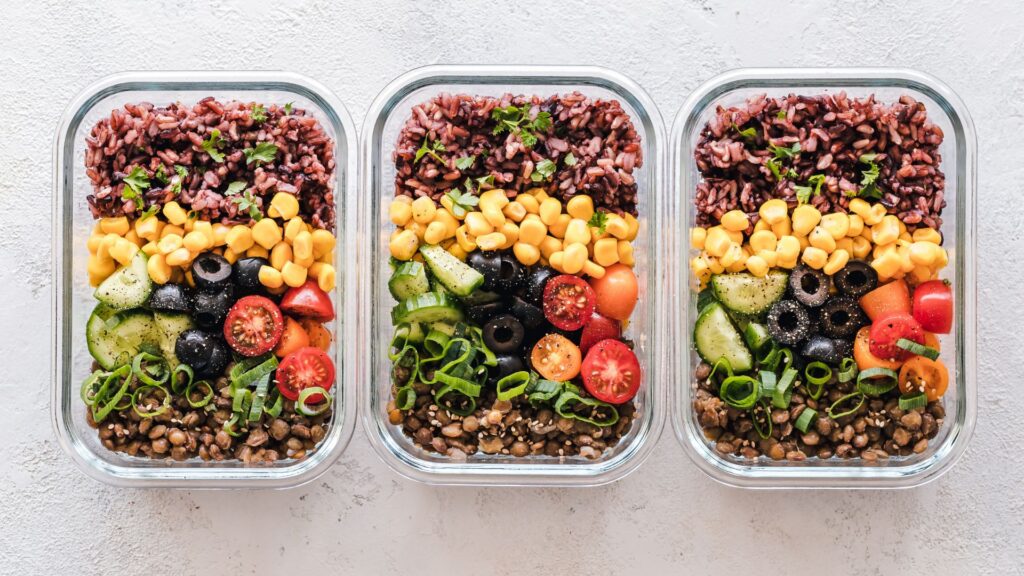
A better approach is to prep components rather than complete meals. Cook a large batch of grains. Roast a sheet pan of seasonal vegetables. Cook a protein in a way that keeps it versatile rather than committing it to a specific dish. Simmer a pot of lentils or beans. These four components, done in one session, combine differently across the week to produce grain bowls, soups, wraps, pasta dishes, and simple plate meals that feel distinct from each other even though they share the same underlying ingredients.
Cooking a large pot of rice, baking a tray of chicken thighs, simmering a batch of black beans, and preparing a versatile tomato sauce creates at least eight different meals from four core components. The same logic applies to fall’s specific seasonal ingredients, and the variation comes from how you combine and season those components each night rather than from cooking something entirely new.
The Fall Weekend Prep Session: What to Make
A batch of whole grains. Brown rice, farro, or barley all work well and all suit fall cooking’s warming, hearty character better than lighter grains. Cook the largest quantity your pot allows, spread on a baking sheet to cool quickly, then refrigerate in an airtight container. Cooked grains keep for five days in the refrigerator and reheat in the microwave in two minutes with a splash of water to restore moisture.
A sheet pan of roasted fall vegetables. Whatever combination of root vegetables and winter squash is cheapest this week gets cut into roughly equal pieces, tossed with olive oil and salt, and roasted at 400°F until golden and tender. Carrots, parsnips, beets, and butternut squash all work well together and complement each other’s flavors. These roasted vegetables go into grain bowls, get stirred into soups, fold into pasta, or simply sit alongside a piece of protein as a straightforward side dish throughout the week.
A tray of chicken thighs. When budget is the priority, chicken thighs are one of the highest-value proteins available. Season bone-in, skin-on thighs simply with salt, pepper, and a spice or two, then roast at 400°F for 35 to 40 minutes until the skin is golden and the meat is cooked through. Pull the meat from the bones once cool enough to handle, shred it loosely, and refrigerate. This shredded chicken goes into grain bowls on Monday, a quick pasta on Wednesday, tacos on Thursday, and a soup on Friday if there’s any left.
A pot of lentils or beans. Red lentils cooked in stock with a few aromatics produce something that’s already nearly soup on its own, or can be stirred into grain bowls and pasta dishes as a protein-rich addition. Alternatively, a pot of black beans or chickpeas cooked from dried (following the method outlined in the dried beans article in this series) costs a fraction of canned and produces four to five cups of cooked beans ready to be used across the week.
The Timeline: Two Hours From Start to Finish
The reason a fall meal prep session stays within two hours is that almost everything cooks simultaneously rather than sequentially. Understanding the parallel cooking logic makes the session feel manageable rather than overwhelming.
Start by preheating the oven to 400°F and putting a large pot of water on to boil for the grains. While those come up to temperature, chop the vegetables for roasting and season the chicken thighs. By the time the oven is ready, the vegetables and chicken can go in at the same time on separate racks. While both roast, the grains go into the now-boiling water and the lentils start in a separate pot. For the next 35 to 40 minutes, almost nothing requires attention. Use that time to clean prep dishes, portion out containers, and write a rough plan for what each component will become across the week.
By the time the chicken and vegetables come out of the oven, the grains and lentils are finished or close to it. Everything needs to cool before going into containers, which takes another fifteen to twenty minutes. The entire active cooking session rarely runs beyond ninety minutes, and the cooling and packing adds another thirty. Two hours total, producing five to seven dinners worth of prepped components, is a realistic and repeatable target.
Making It Feel Different Every Night
The practical challenge of component-based meal prep is avoiding the sensation of eating the same lunch or dinner repeatedly across a week. The solution is in the seasoning and format rather than the ingredients themselves. The same shredded chicken and roasted vegetables taste entirely different in a grain bowl with a tahini dressing on Monday, folded into a warm tortilla with black beans and salsa on Thursday, and stirred into a broth-based soup with pasta on Friday.
Choosing ingredients with multiple possible uses is the core habit that prevents prep from feeling repetitive. Onions, carrots, rice, canned tomatoes, eggs, and beans can move between breakfast, lunch, and dinner with almost no waste. Keeping two or three simple sauces or dressings in the refrigerator alongside the components, a simple vinaigrette, a tahini-lemon sauce, a jar of good salsa, covers most of the variation you need to make Monday through Friday feel genuinely different at the dinner table.
The Fall-Specific Advantage
Fall’s produce and pantry alignment makes weekend meal prep more economical than at any other time of year. Root vegetables are at their seasonal price low and suit the high-heat roasting that batch cooking favors. Dried lentils and beans, the cheapest proteins available at any grocery store, suit the slow, unattended cooking that runs while everything else is in the oven. Winter squash bought at harvest-season prices stores for weeks, which means a single bulk purchase at the farmers market or grocery store can carry a month of prep sessions without another produce purchase needed.
The result is a Sunday investment of two hours and a modest grocery spend that effectively eliminates the question of what’s for dinner on the five nights that follow, and does it at a per-serving cost that genuinely reflects what fall’s best seasonal ingredients cost rather than what last-minute weeknight decisions typically cost.
The Bottom Line
Fall meal prep on a budget isn’t a complicated system. It’s a two-hour Sunday session built around four components, a batch of grains, a tray of roasted seasonal vegetables, a protein cooked simply and kept versatile, and a pot of legumes, that combine differently each night to produce a week’s worth of dinners at a fraction of the cost of daily from-scratch cooking. Start with one or two components if two hours feels like too much to begin with, and build the habit gradually until the full session becomes a reliable weekly routine.
Frequently Asked Questions (FAQ’s)
How long does meal prepped food last in the refrigerator? Cooked grains and roasted vegetables keep for four to five days. Cooked chicken keeps for three to four days. Cooked lentils and beans for five days. Anything you won’t use within those windows should be frozen immediately after the prep session rather than waiting.
Is meal prepping actually cheaper than cooking every night? Yes, significantly. Buying ingredients in usable quantities for batch cooking rather than for individual recipes reduces per-serving cost, minimizes waste, and removes the expensive last-minute decisions that happen when there’s nothing ready to cook on a busy weeknight.
What containers do I need for meal prep? Standard airtight glass or BPA-free plastic containers in two to three sizes cover most meal prep needs. You don’t need matching sets or specialist meal prep containers. Any airtight container that stacks reasonably in the refrigerator works perfectly well.
Can I freeze meal prepped food? Yes. Cooked grains, lentils, beans, and shredded chicken all freeze well for up to three months. Roasted vegetables are best eaten fresh within the week, as their texture deteriorates significantly after freezing and thawing.