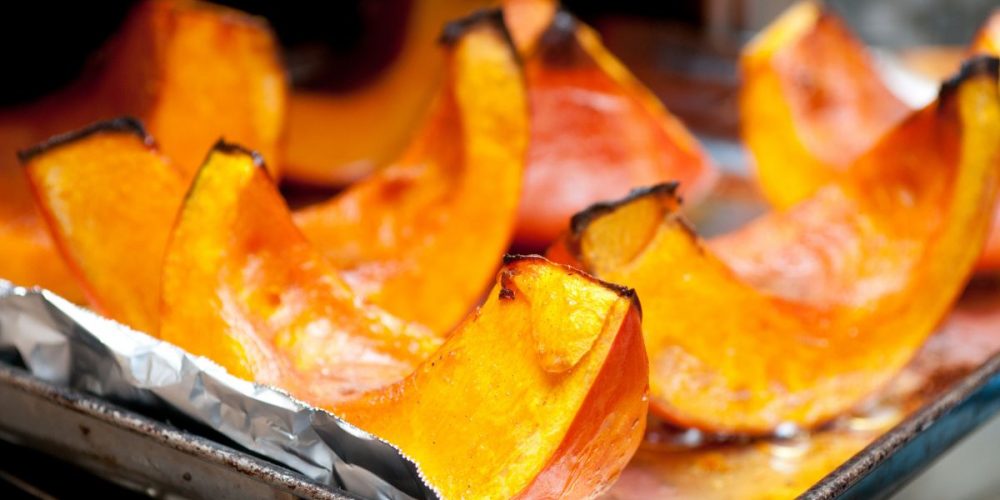
Every edible part of a pumpkin, including the flesh, seeds, skin, and stringy pulp, can be used in cooking. Only the woody stem is best left out of the kitchen, and even that belongs in the compost rather than the bin. A single pumpkin bought at fall’s harvest-season prices can produce a soup, a snack, a side dish, and a base for future cooking with almost nothing wasted.
Most people use about a third of the pumpkin they buy, if that. The flesh might go into a pie or a soup, but the seeds get scooped into the trash, the skin gets peeled and discarded, and the stringy inner pulp, that orange web of fiber and seeds at the core, gets wiped off and thrown away without a second thought. Across the country, only a third of people who carve pumpkins actually cook with the edible flesh they remove, which means millions of entirely usable vegetables end up in landfill every fall.
This guide covers every edible part of a pumpkin in practical detail, with specific ideas for how to use each one. None of it requires advanced cooking skills. Most of it requires very little effort at all.
Choosing the Right Pumpkin
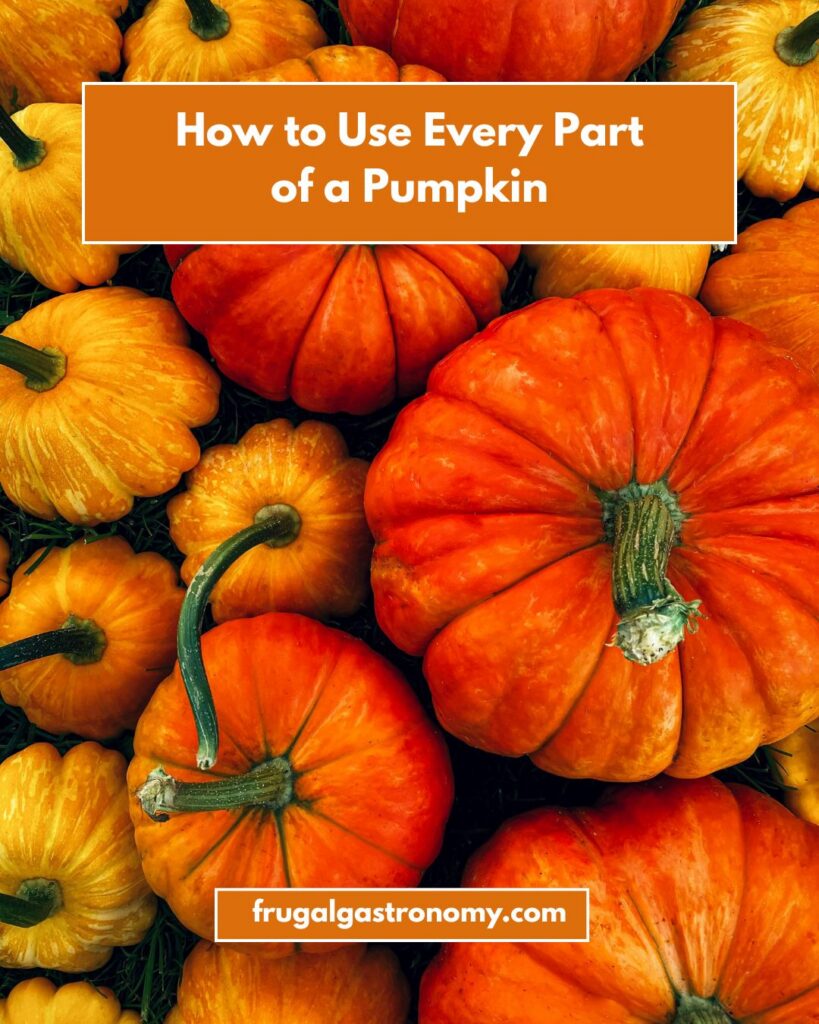
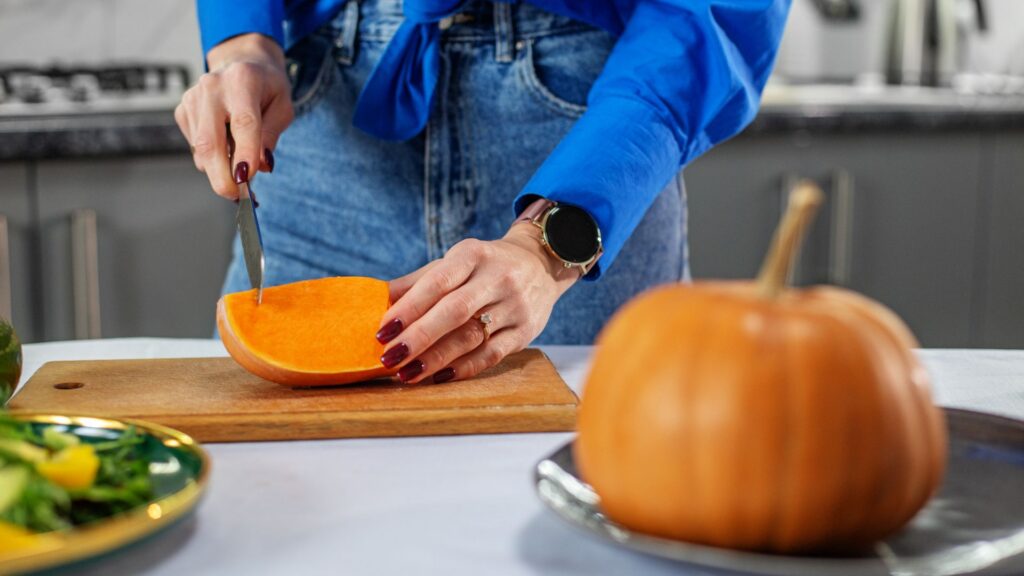
Not all pumpkins are created equal for eating purposes, and this is a distinction worth making before you buy. Large carving pumpkins, the kind sold specifically for jack-o’-lanterns, are bred for size and appearance rather than flavor. Their flesh is watery, stringy, and relatively tasteless compared to varieties grown for cooking.
Pie pumpkins, also called sugar pumpkins, are smaller, denser, and considerably more flavorful. They typically weigh two to four pounds, cost very little, and produce a sweeter, more concentrated flesh that’s genuinely worth eating. If you’re buying a pumpkin specifically to cook with, seek out sugar pumpkins or any variety labeled as a cooking pumpkin. If you’re buying a carving pumpkin and want to eat what comes out of it, lower your expectations for flavor but proceed anyway, the flesh is still perfectly usable in well-seasoned dishes.
The Flesh: Your Most Versatile Starting Point
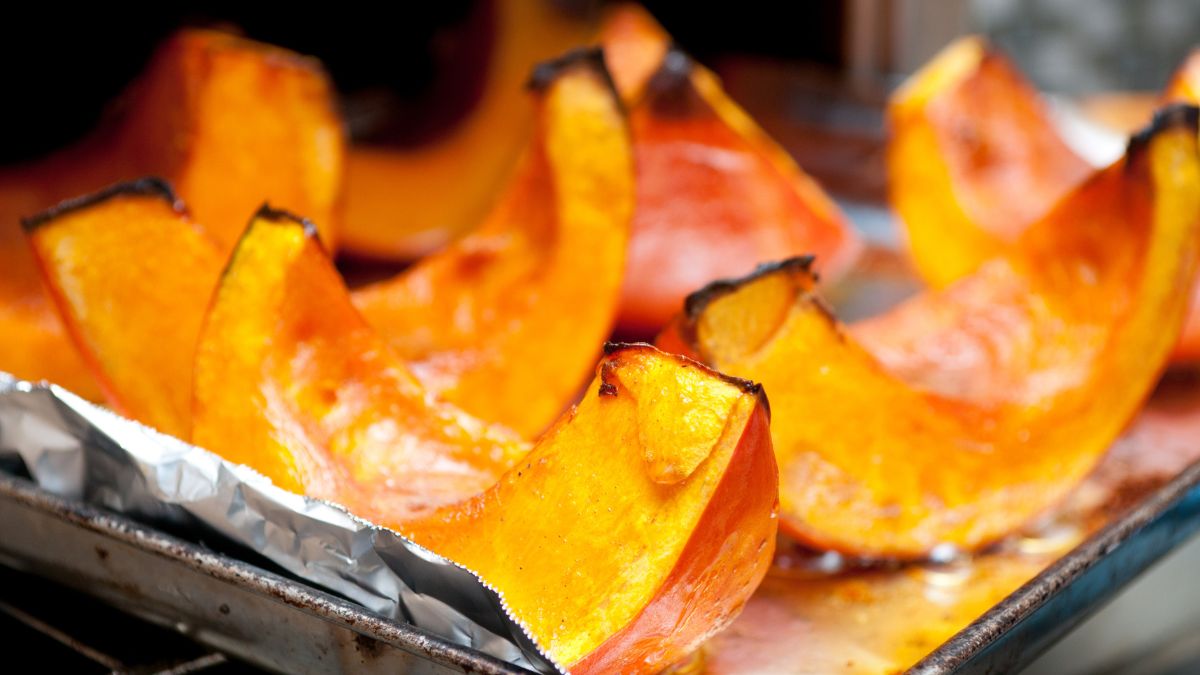
Pumpkin flesh is the most obvious edible part of the vegetable and the one most home cooks are already comfortable using. The quickest way to prepare it is to halve the pumpkin, scoop out the seeds and pulp, brush the cut sides with olive oil, and roast cut-side down at 400°F for 45 to 60 minutes until the flesh is completely tender when pierced with a fork.
Once roasted and cool enough to handle, the flesh scoops cleanly from the skin with a large spoon. From here it can be blended directly into soup with some stock and aromatics, mashed and used anywhere canned pumpkin puree would appear, stirred into risotto, added to pasta sauces, mixed into oatmeal with a pinch of cinnamon, or used as the base for a homemade pumpkin puree that keeps in the freezer for months. Homemade pumpkin puree consistently outperforms the canned equivalent in flavor, and it costs a fraction of the price when made from a whole pumpkin bought at fall’s harvest-season low.
One practical tip: roast more pumpkin than you need right now. The flesh freezes beautifully in portioned amounts, and having it ready to go in the freezer makes a weeknight pumpkin soup effortless for months past the season.
The Seeds: A Nutritional Powerhouse That Usually Gets Thrown Away
Pumpkin seeds are one of the most nutritionally valuable parts of the entire vegetable, and one of the most consistently wasted. According to research published in the journal Plants, pumpkin seeds are packed with protein, magnesium, zinc, and healthy fats, making them a genuinely worthwhile snack rather than just a seasonal novelty.
To prepare them, separate the seeds from the stringy pulp by rinsing everything under cold running water in a colander. The seeds will separate fairly easily with your hands. Spread them on a clean kitchen towel and pat dry, then leave them to air dry for 30 minutes to an hour. A thoroughly dry seed roasts considerably better than a damp one.
Toss the dried seeds with a light coating of olive oil, a pinch of salt, and whatever seasonings suit your preference, smoked paprika and garlic powder for a savory version, cinnamon and a touch of maple syrup for a sweet one. Spread in a single layer on a baking sheet and roast at 325°F for 20 to 25 minutes, stirring every ten minutes or so, until golden and crisp. Cool completely before eating or storing. They keep in an airtight container at room temperature for up to two weeks and work as a snack, a salad topping, a soup garnish, or stirred into granola.
The Stringy Pulp: Stock Gold That Nobody Uses
The stringy orange pulp that surrounds the seeds, the part that most people scoop out and immediately discard, is the most overlooked edible element of the entire pumpkin. It doesn’t eat well on its own, which is why it gets ignored, but it has real value as an ingredient in one specific application: vegetable stock.
The fibrous pulp is rich in flavor and, combined with other vegetable scraps, aromatics, and water, contributes a natural sweetness and body to a homemade stock that you simply don’t get from commercial alternatives. Rinse the pulp, add it to a pot with onion, celery, carrot, garlic, a few peppercorns, and enough cold water to cover everything generously, then simmer on low heat for 45 minutes to an hour. Strain, cool, and use immediately or freeze in portions. The resulting stock has a mild, golden quality that works beautifully as the base for pumpkin soup, bean soups, and any fall stew.
If you don’t want to make stock immediately, the raw pulp freezes well in a zip-lock bag for use whenever you next make a batch. Treating it as a freezer stock ingredient rather than a trash item is one of the simplest zero-waste habits available to a fall cook.
The Skin: Crispy Chips or Compost, Your Choice
Pumpkin skin divides opinion slightly more than the other parts on this list, and the verdict depends on the variety and how it’s cooked. Sugar pumpkin skin, which is thinner and more tender than the tough rind of a large carving pumpkin, becomes genuinely good when treated correctly. Carving pumpkin skin is thicker and chewier and is best composted rather than eaten, though it breaks down quickly and enriches soil rather than sitting in landfill.
For varieties with thinner skin, try this: after roasting the pumpkin halves and scooping out the flesh, slice the leftover skin into thin strips, toss with olive oil and salt, and return to the oven at 400°F for ten to fifteen minutes until crispy. The result is something between a chip and a cracker, lightly sweet, slightly caramelized at the edges, and genuinely snackable. They work as a garnish for soup or eaten on their own with a dipping sauce.
If your pumpkin’s skin is too thick or tough to eat, don’t send it to the bin. Add it to the compost. Pumpkin skin breaks down quickly and contributes nutrients to garden soil, which is a considerably better outcome than landfill.
The Stem: The One Part That Goes to Compost
The woody stem at the top of the pumpkin is the single part that doesn’t have a culinary use. It’s too fibrous and woody to eat, and no cooking method makes it palatable. Set it aside for the compost heap rather than the kitchen, where it will break down and add organic matter to garden soil. Everything else on this list is fair game.
Making One Pumpkin Go Further
A useful framework for getting the most out of a single pumpkin is to think about it in sequence rather than all at once. Start with the stock, using the pulp and any trimmings while everything is fresh. Roast the seeds alongside the pumpkin. Use the flesh for dinner that week, or puree and freeze what you won’t use immediately. Crisp the skin if it’s thin enough. The whole process, from whole pumpkin to zero waste, takes about an hour of active time and produces several different ingredients that carry their way into a week’s worth of cooking.
Buying a sugar pumpkin at the height of fall’s harvest season and using it this way costs very little and produces genuinely good food at every stage. That’s the frugal case for zero-waste cooking in one vegetable: not just that it reduces waste, but that it produces better results and more usable food per dollar than treating any part of what you paid for as disposable.
Frequently Asked Questions (FAQ’s)
Can you eat pumpkin skin? Yes, with some varieties. Sugar pumpkin and smaller cooking pumpkin skin is thin enough to roast until crispy and eat. Large carving pumpkin skin is thick and tough and is better composted than eaten.
What can you do with pumpkin seeds? Rinse and dry them, toss with olive oil and seasoning, and roast at 325°F for 20 to 25 minutes until golden. They work as a snack, salad topping, soup garnish, or granola addition and keep for up to two weeks in an airtight container.
Can you use the stringy part of a pumpkin? Yes. The stringy pulp and inner fibers make an excellent base for vegetable stock when simmered with aromatics and water. It’s not palatable on its own, but it contributes real flavor and sweetness to a homemade stock.
What is the best pumpkin to use for cooking? Sugar pumpkins, also called pie pumpkins, are the best choice for cooking. They’re smaller, denser, and considerably sweeter than large carving pumpkins. Look for them at grocery stores and farmers markets labeled as “sugar pumpkin,” “pie pumpkin,” or simply “cooking pumpkin.”
Can you freeze pumpkin puree? Yes. Homemade pumpkin puree freezes well for up to three months in an airtight container or zip-lock freezer bag. Freeze in portioned amounts, roughly half-cup or one-cup portions, so you can pull out exactly what a recipe requires without thawing the whole batch.