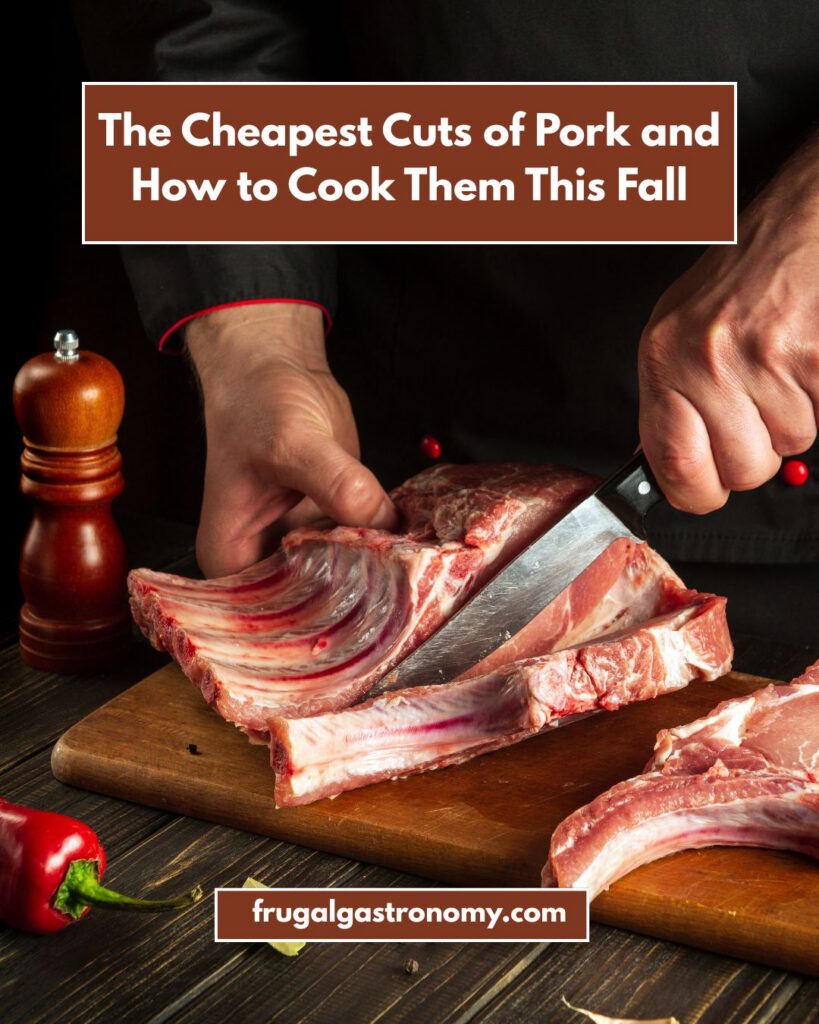
Pork has a quiet advantage over beef and chicken in the budget cooking conversation: the cheapest cuts are also, in many cases, the most flavorful. This is the opposite of what most shoppers assume, and it’s the reason generations of home cooks built their most celebrated dishes, carnitas, ragu, braised hocks, slow-roasted belly, around the least expensive parts of the pig. The fat and connective tissue that make these cuts affordable are exactly what makes them extraordinary after a few hours of gentle heat.
The cheapest pork cuts for fall cooking are pork shoulder, country-style ribs, pork hocks, and pork belly, all of which come from the heavily worked muscles of the animal and reward low-and-slow cooking with genuinely tender, deeply flavored results. Most are priced well below premium cuts and become significantly better food when cooked correctly.
Fall is the perfect time to use as many affordable pork cuts you can. The oven is on more often, the slow cooker earns its counter space, and nobody minds a dinner that takes three hours to cook if it required only fifteen minutes of actual effort to prepare. The cuts below are all widely available, all consistently inexpensive, and all specifically designed by their biology to reward the methods that fall cooking naturally calls for.
Pork Shoulder: The Most Versatile Budget Cut Available
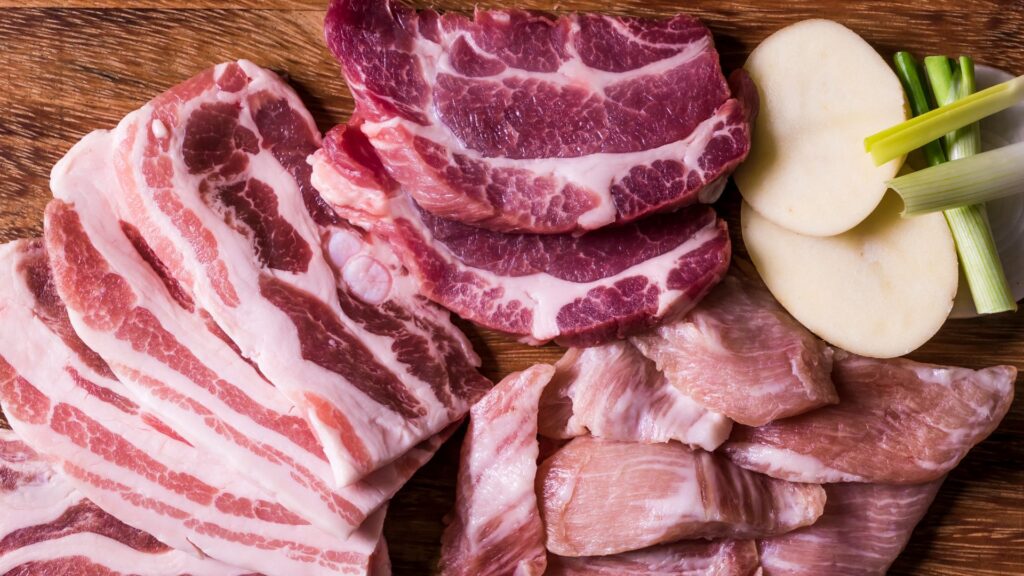
Pork shoulder, sold as pork butt or Boston butt at most grocery stores, is the foundational budget pork cut and one of the best-value proteins available at any supermarket regardless of season. It comes from the upper foreleg and shoulder of the pig, a heavily worked muscle group that is dense with intramuscular fat and collagen-rich connective tissue. That combination, which makes it tough when cooked quickly, produces something extraordinary when given enough time at low heat.
A three to four pound pork shoulder costs a fraction of a comparable weight of pork loin or tenderloin, and the finished result, fall-apart, richly flavored meat that shreds with almost no effort, is considerably more satisfying than anything a leaner, quicker-cooking cut produces. The classic preparation is pulled pork: season generously with salt, pepper, and smoked paprika, sear on all sides until deeply golden, then cook covered in a low oven at 300°F for four to five hours or in a slow cooker on low for eight hours. The meat is ready when it shreds effortlessly with two forks and the collagen has fully broken down into a silky, rich braising liquid.
For fall specifically, braising pork shoulder in apple cider with onions, garlic, fennel seeds, and a few sprigs of fresh thyme produces a dish that captures the season’s flavors precisely. The cider tenderizes the meat during cooking and reduces into a concentrated sauce with a natural sweetness that balances the richness of the pork beautifully.
One shoulder bought at the weekly shop produces enough meat for pulled pork sandwiches one night, tacos the next, and a pasta or grain bowl with the remaining shreds before the week is out.
Country-Style Pork Ribs: The Cut That Isn’t What It Sounds Like
Country-style pork ribs are one of the most consistently misunderstood cuts at the grocery store, and understanding what they actually are is key to cooking them correctly. Country-style pork ribs aren’t ribs at all. They’re cuts of pork shoulder, which is the same meat used to make pulled pork and carnitas.
The most important tip for country-style ribs is to use ribs from the pork shoulder, not the loin. The pork shoulder is a well-marbled cut suitable for slow cooking. The pork loin is leaner and becomes dry when slow-cooked. When you’re at the meat counter, look for labels that say “shoulder” or “butt” alongside the country-style rib designation. Bone-in versions from the shoulder include a distinctive Y-shaped bone from the scapula and have a visibly fatty, marbled appearance. That fat is not a flaw. It’s what keeps them moist through a long, slow cook and what produces the fall-apart tenderness that makes them worth buying.
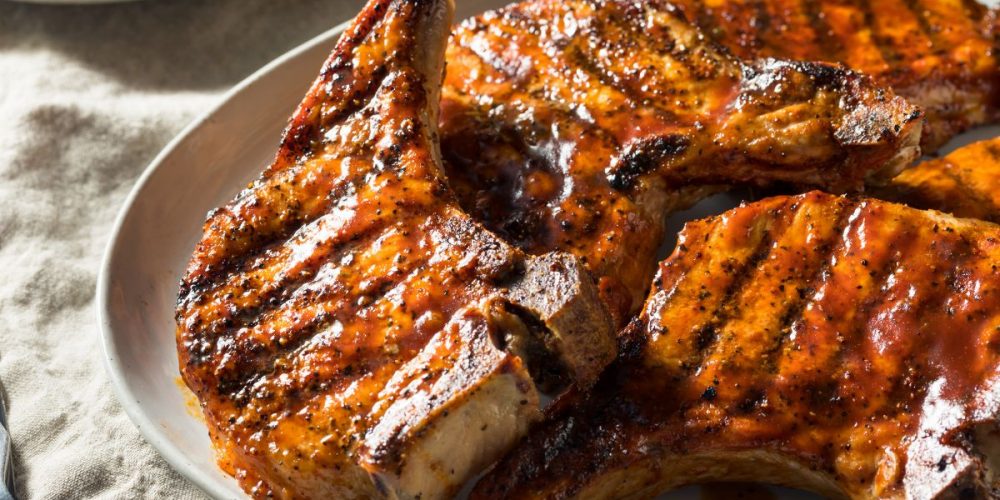
At roughly two dollars per pound at most grocery stores, country-style shoulder ribs are priced competitively with ground beef and considerably below most other pork cuts, while producing a result that tastes considerably more ambitious than the price suggests. Season generously with a dry rub of salt, smoked paprika, garlic powder, and a touch of brown sugar, then cook covered in a 325°F oven for two to two and a half hours. Remove the foil for the final twenty minutes to develop a caramelized exterior. The result is fork-tender meat with a deeply savory crust that works as a standalone dinner alongside roasted fall vegetables or shredded into sandwiches and tacos the following day.
Pork Hocks: The Most Underrated Slow-Cook Cut
Pork hocks, also sold as ham hocks when cured, are one of the most overlooked cuts in any grocery store meat section and among the cheapest pork options per pound available. They come from the joint between the leg and the foot of the pig, a tough, collagen-dense section that requires long cooking but rewards it with extraordinary depth of flavor and a naturally gelatinous cooking liquid that needs no thickening agent.
A single smoked ham hock simmered in a pot of dried beans, split peas, or lentils over two to three hours on the stovetop produces a dish that is significantly greater than the sum of its parts. The hock contributes a smoky, meaty richness to the surrounding liquid that transforms an otherwise simple bean soup into something deeply satisfying. The small amount of meat that falls from the bone adds texture and protein throughout the pot. Few cooking experiences in the budget kitchen produce this ratio of flavor to cost, and fall is the natural season for the long-simmered bean and hock preparations that make this cut shine.
Raw pork hocks, if available at your local butcher or supermarket, produce a less smoky but equally gelatinous result when braised in broth with root vegetables and aromatics for three to four hours. The finished braising liquid sets to a rich jelly when cooled, which can be used as an intensely flavored stock for soups and sauces in subsequent meals.
Pork Belly: A Splurge That Isn’t
Pork belly occupies an interesting middle ground in the budget pork conversation: it’s priced higher than shoulder or hocks but considerably lower than most premium cuts, and it produces a result that most people associate with restaurant cooking rather than a home kitchen. The extended slab from the underside of the pig is almost entirely fat and muscle in alternating layers, which makes it unsuitable for quick cooking and ideal for slow roasting or braising.
Slow-roasted pork belly cooked at 160°F for three hours and then blasted at high heat for the final fifteen minutes to crisp the skin produces crackling that rivals any restaurant version, with a deeply flavored, silky meat beneath it. The process is almost entirely hands-off, with the oven doing the work across several hours. For a fall dinner that feels genuinely celebratory without the celebratory price tag, a slow-roasted pork belly alongside braised red cabbage and roasted apples is one of the best options available in this price range.
The Technique That Applies to All of Them
Every cut on this list shares the same essential cooking logic: low heat, enough time, and enough moisture or fat to prevent the exterior from drying out before the interior has broken down fully. Rushing any of these cuts produces tough, unpleasant results regardless of how good the technique is. Giving them the time they need produces something that most people wouldn’t believe came from the cheapest section of the meat case.
A reliable temperature guide for most slow-cooked pork: 300°F in a covered Dutch oven or roasting pan for three to five hours depending on size and cut, or low setting on a slow cooker for eight hours. The meat is ready when a fork slides in with no resistance and the grain of the muscle separates easily when pulled. For pork belly, the lower temperature of 160°F for the initial slow cook before the final high-heat blast produces the best combination of tender meat and crisp exterior.
Season generously before cooking. Salt draws moisture to the surface and, given enough time before the heat goes on, redistributes through the meat to season it evenly throughout rather than just on the outside. For most of the cuts above, salting the evening before and refrigerating overnight produces a noticeably more deeply seasoned result than salting immediately before cooking.
The Bottom Line
The cheapest pork cuts, pork shoulder, country-style shoulder ribs, hocks, and belly, produce some of the most satisfying and flavorful cooking available in any home kitchen, specifically because they require methods that fall naturally calls for. Low heat, long time, minimal active effort, and maximum flavor. Buying these cuts rather than leaner, pricier alternatives isn’t a compromise on dinner quality. In the context of fall cooking, it’s the straightforwardly better choice.
Frequently Asked Questions (FAQ’s)
What is the cheapest cut of pork per pound? Pork shoulder and country-style shoulder ribs are consistently the cheapest pork cuts per pound at most grocery stores, typically running well below pork loin, tenderloin, and chops. Pork hocks are similarly priced and often cheaper still.
What is the difference between pork shoulder and pork butt? They come from the same general area of the pig. Pork butt, or Boston butt, is cut from the upper shoulder and is slightly fattier and more marbled. Pork shoulder, or picnic shoulder, comes from the lower portion and is slightly leaner. Both suit slow cooking equally well and are interchangeable in most recipes.
Why are my country-style pork ribs tough? The most common cause is using loin-cut country-style ribs rather than shoulder-cut ones, or not cooking them long enough. Shoulder ribs need two to three hours at low heat to break down their connective tissue. Pulling them out after an hour produces a tough, chewy result regardless of how well they were seasoned.
Can you freeze cooked pork shoulder or country-style ribs? Yes. Cooked, shredded pork shoulder and country-style rib meat both freeze well for up to three months in airtight freezer bags. Freeze with a small amount of the cooking liquid to preserve moisture during reheating.