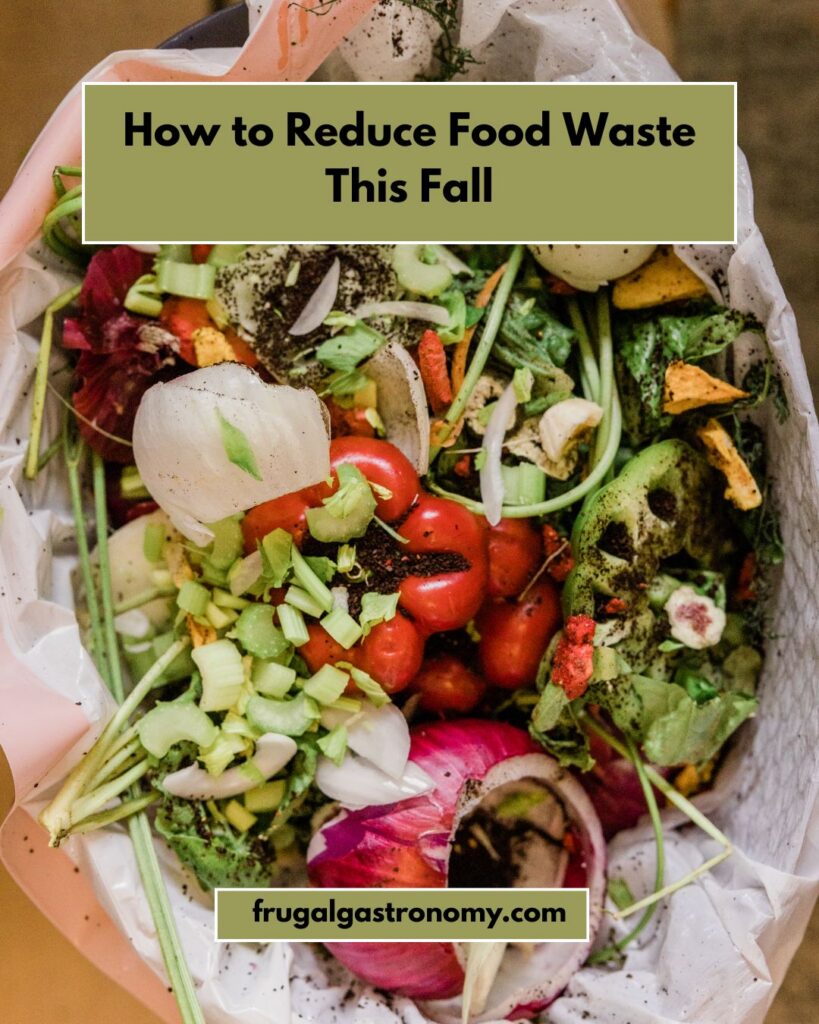

Americans waste roughly 30 to 40 percent of the food supply, and the uncomfortable truth is that much of that waste happens at home. This fall, the most effective ways to reduce food waste this fall are shopping with a written meal plan, storing food correctly so it lasts longer, treating leftovers as planned meals rather than afterthoughts, and using the whole ingredient rather than discarding edible parts. Small, consistent habits at home produce the most meaningful results.
Fall is when this problem intensifies in specific, predictable ways. The holiday stretch especially, brings more cooking, more entertaining, more ambitious grocery shops, and more food bought in larger quantities than usual.
Oversized seasonal displays, the temptation to stock up on ingredients that sound perfect for a dish you’re planning but never quite get around to making, and the sheer volume of holiday leftovers that sit in the refrigerator until they’re no longer appealing to eat, all add up to a spike in household food waste that’s largely avoidable with a few deliberate habits.
Plan Your Meals Before You Shop, Every Single Week
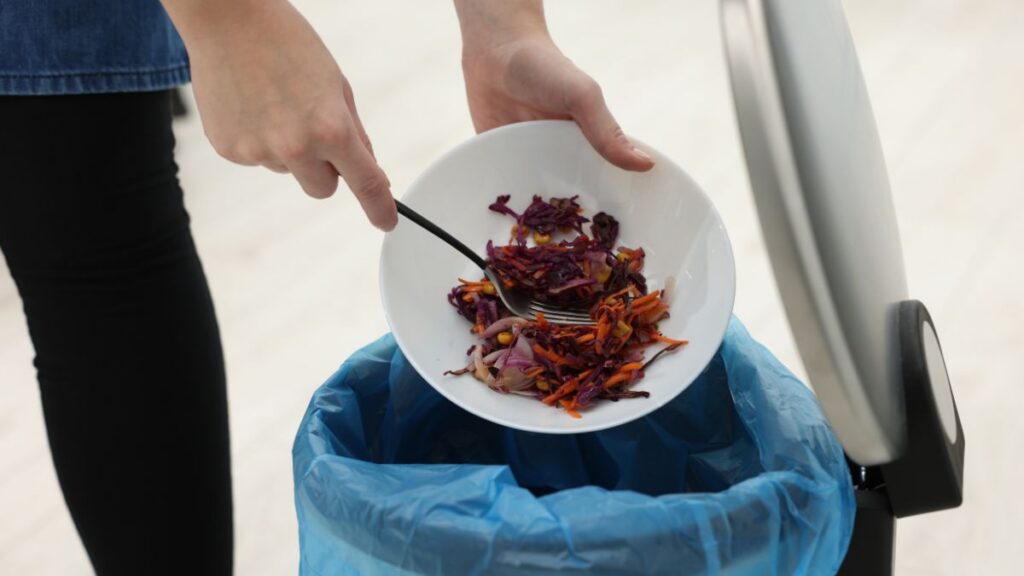
Meal planning is the highest-leverage food waste reduction habit available because it addresses waste at its root cause: buying food without a clear plan for how it will be used. A household that arrives at the grocery store with a specific list built around concrete meals buys what it will eat. A household that shops without a plan buys what looks appealing, convenient, or like a good idea at the moment, and a meaningful portion of that ends up in the bin.
The practical version of this habit takes about fifteen minutes at the start of each week. Plan five to seven dinners, check what’s already in the pantry and refrigerator before writing a single item on the list, and build the grocery list around genuine gaps rather than starting from scratch as if the kitchen were empty.
This simple sequence prevents the most common source of food waste in any household: buying duplicates of things already on a shelf, purchasing perishables without a specific meal attached to them, and overestimating how much fresh produce a household will realistically get through in a week.
Store Food Correctly and It Will Last Considerably Longer
A significant portion of household food waste isn’t caused by buying too much. It’s caused by storing what was bought incorrectly, which accelerates spoilage and turns perfectly good food into something that needs to be thrown away days before it should have. Understanding a few key storage principles extends the life of fresh produce and proteins meaningfully without requiring any specialist equipment.
Herbs are one of the most commonly wasted items in any fall kitchen because most people store them flat in a crisper drawer where they wilt within days. Treated like cut flowers, trimmed at the base and stood upright in a glass of water in the refrigerator with a loose bag over the top, fresh herbs last one to two weeks rather than three to four days. The difference is dramatic and the effort is minimal.
Root vegetables and winter squash that make up so much of fall’s best produce don’t need refrigeration at all, and putting them in the refrigerator can actually shorten their life or degrade their texture. Potatoes, onions, garlic, and whole winter squash all store best in a cool, dark, dry place at room temperature. Keeping them correctly means they’re still perfectly good weeks after purchase rather than softening in a refrigerator drawer.
Meat and fish that won’t be used within two days should go directly into the freezer on the day of purchase rather than sitting in the refrigerator until it’s too late to freeze without significant quality loss. This one habit eliminates one of the most expensive forms of food waste in any household, since protein is both the priciest part of most grocery carts and one of the most commonly discarded items.
Treat the Refrigerator as a Priority List, Not a Storage Facility
The refrigerator is where most household food waste originates, not because refrigerators don’t preserve food, but because most people use them as a storage system rather than a priority list. Items go in when they’re purchased and come out when they’re needed, which means whatever went in earliest tends to get pushed to the back by newer purchases until it’s forgotten long enough to go bad.
Reversing this habit is straightforward: when groceries come home, move older items to the front of each shelf and put new purchases behind them. This is the same FIFO (first in, first out) principle used in professional kitchens and covered in the pantry audit article earlier in this series, and it works at home for the same reason it works in restaurants: what you can see and reach easily is what you use, and what gets buried at the back is what gets wasted.
A small dedicated section of the refrigerator labeled “use first,” either a specific shelf or a visible container, where items approaching the end of their best-quality window are placed, also helps considerably. Before planning any meal, check that section first. The answer to “what’s for dinner?” is frequently sitting right there, in the form of a vegetable that needs to be used today rather than tomorrow.
Make Leftovers a Plan, Not an Afterthought
Leftovers represent one of the most consistent and preventable sources of food waste in fall, particularly around holidays and weekend cooking sessions where larger quantities get made and then sit in the refrigerator until nobody wants to eat them anymore. The fix isn’t making less food. It’s naming the leftovers a specific meal before they go into the container.
Sunday’s roasted chicken doesn’t go into the refrigerator as “leftover chicken.” It goes in as Monday’s grain bowl protein and Tuesday’s quick soup base. Saturday’s pot of lentil soup doesn’t sit waiting to be eaten eventually. It gets portioned into individual containers for weekday lunches, labeled, and placed at eye level in the refrigerator where it will actually be reached for. The difference between a leftover that gets used and one that doesn’t is almost always whether it had a specific role in the week’s plan or whether it was stored optimistically and forgotten.
Fall cooking is particularly well-suited to the deliberate leftover model because many of its defining dishes, soups, braises, roasts, and grain-based meals, scale naturally to larger quantities and improve after a day in the refrigerator as the flavors develop. Making slightly more than you need for one dinner, with a clear plan for the second meal it will produce, is one of the most efficient cooking habits available at any budget level.
Use the Whole Ingredient
Every week, kitchens across the country discard parts of ingredients that are entirely edible and often nutritionally valuable. Beet greens go in the bin while the beets get roasted. Broccoli stalks get peeled and discarded while the florets go into the dish. Herb stems get thrown away after the leaves are picked. Parmesan rinds go in the trash. None of this waste is necessary, and addressing it costs nothing beyond a small shift in how you approach prep.
Beet greens cook exactly like Swiss chard and are genuinely delicious sautéed with garlic and olive oil as a side dish. Broccoli stalks, peeled to remove the tougher outer layer, are entirely tender and mild when sliced and roasted or added to a stir-fry. Herb stems carry as much flavor as leaves in cooked applications and can go directly into stocks, soups, and braises without any preparation. Parmesan rinds simmered in a soup or risotto add an extraordinary depth of savory flavor and cost nothing since the rind would otherwise be thrown away.
The zero-waste pumpkin article written earlier in this series covers this principle in detail for one specific fall ingredient, but the habit applies across everything in the kitchen. Before discarding any part of a vegetable, a quick consideration of whether it has a use in a cooked application almost always reveals that it does.
Compost What You Genuinely Can’t Use
Some food waste is unavoidable. Coffee grounds, eggshells, onion skins, fruit peels, and trimmings that have no culinary use represent the irreducible minimum of kitchen prep. Composting these scraps rather than sending them to landfill keeps organic material out of the waste stream where it would otherwise produce methane, a greenhouse gas considerably more potent than carbon dioxide, as it breaks down in anaerobic landfill conditions.
A simple countertop compost bin collects scraps during the week for transfer to an outdoor compost pile, a municipal green bin if your area provides one, or a community compost drop-off point. Many cities and towns have expanded their organic waste collection programs in recent years, making this step more accessible than it’s ever been for urban and suburban households. Even without a garden or outdoor composting space, the municipal option handles the process without any effort beyond separating scraps from general waste.
The Bottom Line
Reducing food waste this fall isn’t a single dramatic change. It’s a cluster of small, connected habits that compound in their effect: shopping from a plan, storing food in conditions that actually extend its life, treating leftovers as a named meal rather than an optimistic container in the back of the refrigerator, using the whole ingredient rather than discarding the edible parts, and composting what remains. Each habit is individually simple. Together, they produce a meaningful reduction in what ends up in the bin and a meaningful increase in how far a grocery budget actually goes across the season.
Frequently Asked Questions (FAQ’s)
What causes the most food waste at home? The most common causes are buying without a meal plan, storing food incorrectly so it spoils faster, and failing to use leftovers before they go bad. Buying more fresh produce than a household can realistically eat in a week is the single most frequent culprit.
How can I stop wasting so much food in the refrigerator? Place older items at the front of each shelf and newer items at the back every time groceries come home. Keep a visible “use first” section for items approaching the end of their best-quality window, and check it before planning any meal.
Is it better to freeze food or refrigerate it to reduce waste? Freeze anything you won’t use within two days of purchase. Refrigerating perishable proteins for several days before deciding to freeze them reduces the quality of the frozen product. Freezing on day one or two preserves the food at its best.
What fall foods are most commonly wasted? Fresh herbs, leafy greens, bread, and perishable produce bought for a specific recipe and not fully used are among the most wasted items in fall kitchens. Planning meals around what’s already in the refrigerator before buying fresh ingredients is the most effective way to prevent this.
Does reducing food waste actually save money? Yes, significantly. Since the average American wastes 325 pounds of food per year, even a 25% reduction in household food waste translates to real savings on the grocery bill without any change in what you eat or where you shop.