If you’ve ever opened the refrigerator, spotted last night’s leftovers, and thought “I don’t really feel like eating that again,” you’re not alone. Leftovers often get a bad reputation, and honestly, it’s earned when they’re treated as sad reheats of a meal you’ve already had. Let’s change that.
The best fall leftovers to repurpose are roasted meats, soups and stews, cooked grains, and roasted vegetables. The trick is to change their format so the second meal feels genuinely different from the first. For example, braised pork shoulder doesn’t become another bowl of braised pork. Instead, it becomes tacos, a pasta sauce, or the filling for a stuffed squash.
What we’re talking about is shifting our perspective to that of transformation. Instead of thinking of them as something to dread, look at leftovers as a great head start on tomorrow’s hearty meal. The roast chicken that fed four on Sunday night doesn’t have to be the same roast chicken on Monday. It can be something completely different: a soup, a flatbread,or even a grain bowl.
Even better, they barely require any additional cooking. Fall is the season where this habit pays off most, because the meals that define this time of year like slow-cooked meats, hearty soups, roasted vegetables, and braised dishes, all transform beautifully into second meals that taste nothing like the original.
The Mindset Shift That Makes It Work
The biggest change isn’t in technique, it’s in how you think about leftovers before you put them in the container. Think of your leftovers as ingredients. Cook proteins and grains in large batches with simple seasoning, then transform them throughout the week. A roast chicken seasoned with salt, pepper, and cooked with some bell peppers make for an excellent shortcut fajita. Saute them in a bit of oil with aromatics, carrots and celery, then add in broth and noodles, and you have a hearty chicken noodle soup.
Remember this when you’re cooking with leftovers: keep your initial seasoning relatively clean and simple, especially on the proteins and grains that you know will produce leftovers. Add the more specific flavors in the second meal rather than the first, and you’ll have much more flexibility with what you’re working with.
Roasted Chicken or Turkey: The Most Versatile Leftover You’ve Got
Leftover roasted chicken or turkey can go in more directions than almost any other fall leftover. Plus, the second meal is often better than the first because the resting time in the refrigerator improves the flavor.
The fastest transformation is a chicken or turkey soup using the bones. Don’t throw those out, they’re the foundation of a genuinely excellent homemade stock that’ll take your second-meal soup from fine to deeply satisfying.
To make stock from roasted chicken or turkey, simmer the carcass with onion, celery, carrot, and a bay leaf for an hour, strain it, and you’ve got your base. Add the shredded leftover meat, a handful of pasta or rice, and whatever vegetables need using, and you’ve got a completely different dinner for almost no additional cost.
If you’re not in the mood for soup, shredded leftover chicken works just as well tucked into tacos with a squeeze of lime and a pinch of cumin. You can even fold it into a pasta with canned tomatoes and spinach, or piled onto flatbreads with a quick tahini sauce. Day-old rice paired with leftover chicken is particularly good for fried rice because it’s drier and doesn’t turn mushy as easily. That’s a weeknight dinner that takes fifteen minutes and uses up two different leftovers at once.
Braised and Slow-Cooked Meats: One Cook, Three Meals
This is where fall cooking really shines for the leftover-repurposing habit. A big batch of braised pork shoulder, slow-cooked beef, or lamb requires hours in the oven, but those hours are largely hands-off, and the volume of food they produce is far more than one dinner needs to be.
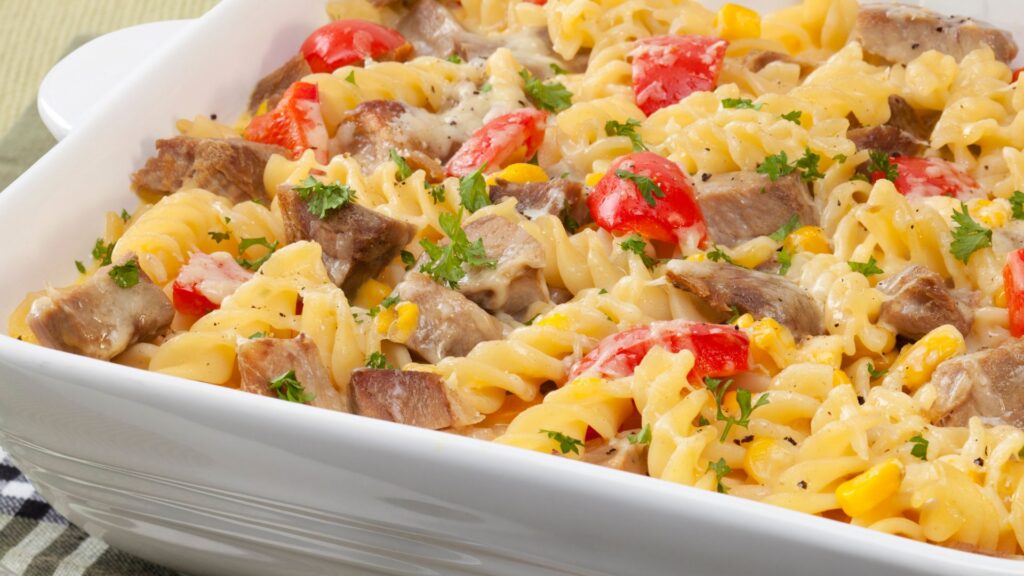
A pork shoulder cooked on Saturday becomes pulled pork on Saturday, tacos with pickled onions on Sunday, and the filling for a pasta sauce or stuffed peppers on Monday. The flavors actually improve over those two days as the meat continues to absorb its own cooking liquid. You’re not eating the same thing three nights in a row, you’re eating three distinct meals that happened to share a single cooking session.
If you have extra budget to spare, steak or roast is another strong choice for two dinners out of one cook. You can make a simple first-night dinner, then slice up the leftovers for a second-night pasta or handhelds.When sliced cold against the grain and served in a warm wrap with roasted peppers and a smear of something creamy, last night’s roast becomes today’s quick and easy lunch.
Roasted Vegetables: The Leftover Nobody Thinks to Repurpose
This is probably the most underused category in the leftover transformation conversation, and it’s worth paying attention to. Roasted vegetables that have sat overnight have a concentrated, slightly caramelized flavor that’s genuinely useful in cooked applications, even if they’re a bit soft for eating as a straight side dish.
Cold roasted carrots, parsnips, beets, or squash blend beautifully into soups. A handful of leftover roasted vegetables folded into a frittata or scrambled eggs turns breakfast into something special. Roughly chopped and tossed with pasta, olive oil, and a shower of parmesan, they become a quick weeknight dinner with almost no additional cooking. Stirred into a grain bowl alongside fresh greens and a punchy dressing, they add a warmth and depth that raw or lightly steamed vegetables simply can’t replicate.
To bring out the flavors even more, add acid at the end. A squeeze of lemon or a splash of vinegar brightens any dish it gets added to.
Cooked Grains: The Foundation of the Second Meal
Rice, farro, barley, and quinoa all refrigerate well and reheat quickly, which makes them the most reliable foundation for a second meal. They’re also the most forgiving: you can use them as a base for almost anything, from a simple fried rice to a warm grain salad to the starchy component of a soup or stew.
Day-old cooked rice is genuinely ideal for fried rice because its lower moisture content means it crisps in the pan instead of steaming into a sticky mass. Farro and barley that’ve been sitting in the refrigerator reheat beautifully with a splash of stock and make an excellent base for a warm grain bowl topped with whatever leftover protein and vegetables are on hand. Leftover cooked grains stirred into a soup add body and turn a light broth into a filling dinner.
Habits That Make All of This Automatic
The transformation habit doesn’t require a lot of extra effort. It just requires building a slightly different mindset around how you approach cooking and leftovers together.
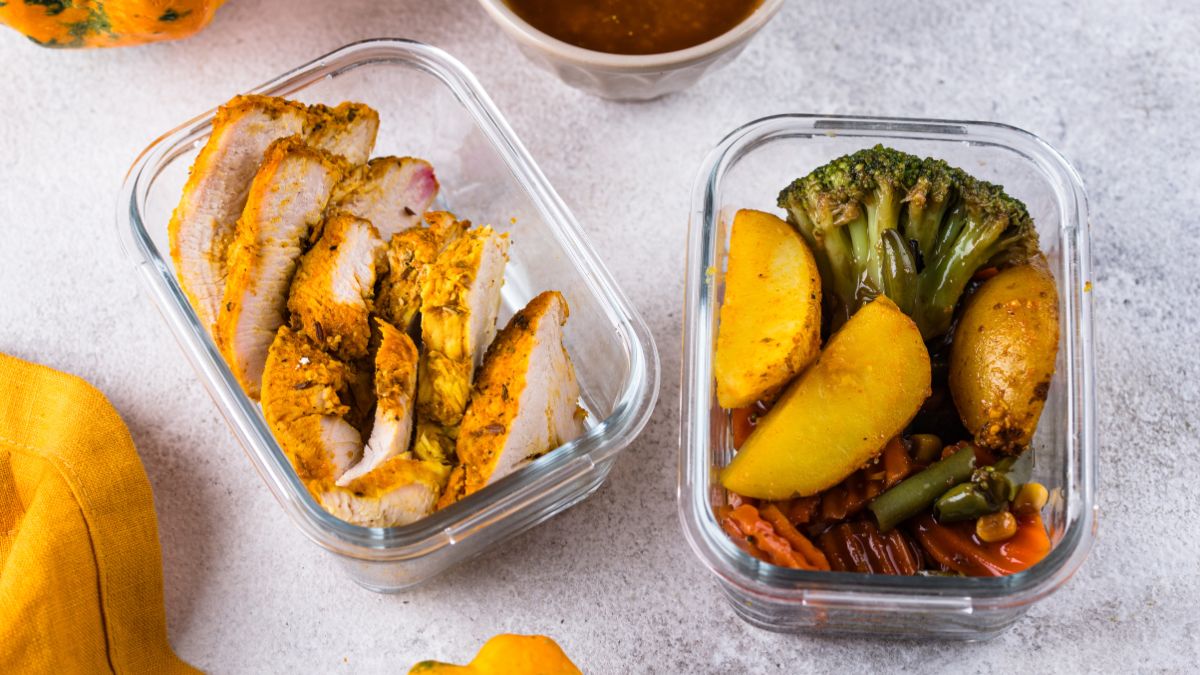
Label everything with the date when it goes in the container. Not because you’ll forget immediately, but because three days from now you want to know whether it’s still good without having to guess. Store leftovers at eye level in the refrigerator rather than buried at the back, because what you can see is what you’ll actually reach for. When you’re planning the week’s meals, include one or two nights where leftovers are explicitly the plan rather than the backup. That way, you’ll cook more intentionally on the first night, knowing the second is already sorted.
The Bottom Line
Turning leftovers into a different second meal doesn’t have to feel like a compromise. It’s one of the smartest habits in any budget cook’s kitchen. Fall’s slow-cooked meats, hearty soups, and roasted vegetables are particularly well-suited for transformation, because their deep flavors hold up well across a day or two in the refrigerator. As a result, they translate naturally into a wide range of different formats. Change the vessel, change the base, add something fresh, hit it with a bit of acid, and last night’s dinner becomes tonight’s satisfying meal.