Here’s something worth thinking about as the temperature starts dropping: your kitchen and your heating system are more connected than most people realize. Heating and cooling account for 42% of home energy costs, with heating alone representing 30 to 50% of winter bills in colder climates. But the way you cook, how often you turn the oven on, how you use your stovetop, which appliances you reach for, affects both your energy bill and how warm your home stays without the thermostat having to work quite so hard.
This isn’t about extreme measures or giving up comfort. It’s about a handful of habits that reduce what you’re spending on energy costs without you noticing the difference in day-to-day life. Fall is the right time to get these habits in place, before the heating bills start hitting their winter peak.
So at its core, the two biggest opportunities for reducing energy costs this fall are adjusting the thermostat strategically and using your kitchen appliances more efficiently. Cooking at home more often, batch cooking to reduce how many times you turn the oven on, and matching your pot or pan size to your burner are all simple habits that add up meaningfully over a season.

Adjust the Thermostat and Actually Notice the Savings
The thermostat is where most households have the most obvious and immediate opportunity to reduce costs, and the guidance here is simpler than most people expect. You can save as much as 10% a year on heating and cooling by turning your thermostat down 7 to 10 degrees for 8 hours a day in the fall and winter.
In practice, this means setting the thermostat lower when you’re asleep and when you’re out of the house rather than holding a constant comfortable temperature around the clock. A programmable or smart thermostat automates this entirely, but you don’t need one. Manually adjusting the temperature before bed and when you leave in the morning achieves the same result. A good rule of thumb is to set your thermostat to 68°F while at home and 60 to 64°F while you’re away or asleep. The savings compound over a full season.
If your home has drafts, address them before turning up the thermostat. Weatherstripping around doors and windows, a draft excluder at the base of an exterior door, or a simple foam tape seal around a leaky window frame all cost a few dollars and eliminate the heat loss that’s making the heating system work harder than it should. These are one-time fixes that pay for themselves quickly.
Use the Oven Strategically, Not Reactively
An oven that gets turned on once for one dish and then switched off is the least efficient use of the appliance. The oven takes time and energy to preheat, and all of that invested energy is being applied to a single dish when it could be working across two or three things simultaneously.
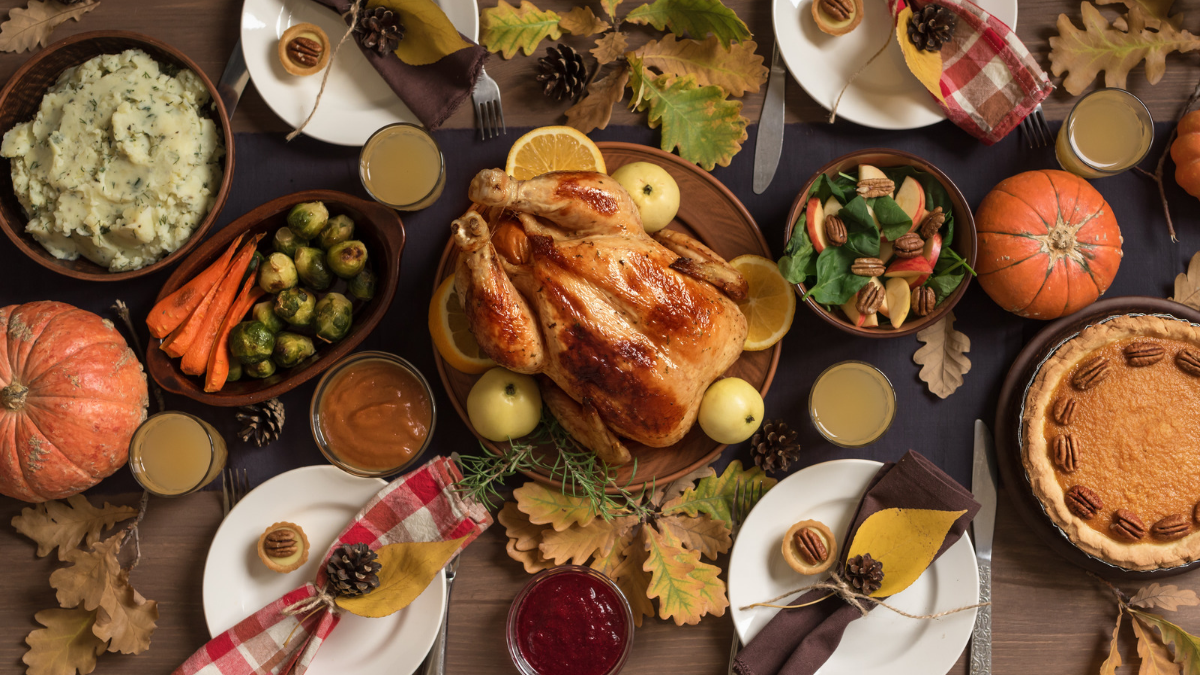
Batch cooking, which is preparing large meals and freezing leftovers, helps you use the oven more efficiently. By cooking multiple dishes at once, you use the oven for fewer sessions, which means less energy usage overall. Roasting a tray of vegetables on the rack below a baking dish of chicken thighs, or putting a pan of oatmeal bars in alongside a casserole, uses the same preheated oven for multiple outcomes. The cooking time is the same, the energy used is the same, and you end up with two completed dishes instead of one.
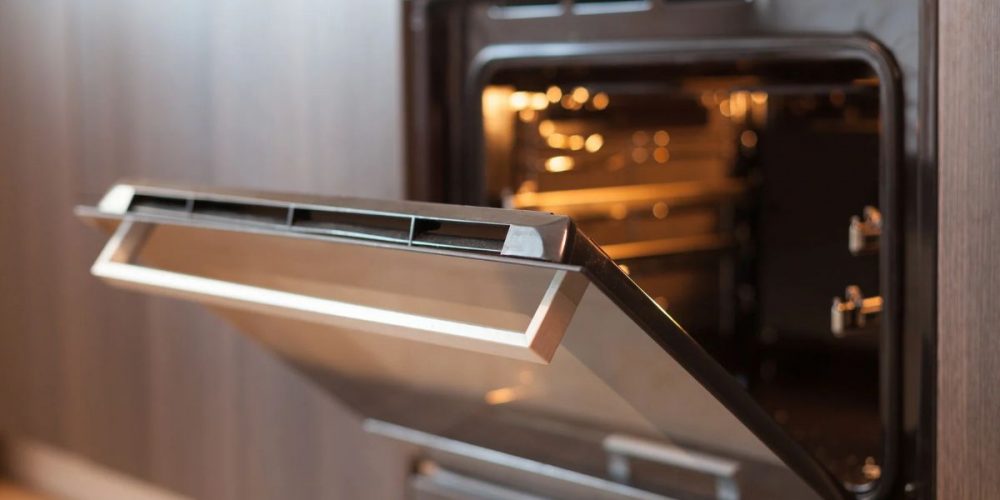
Try not to open the oven door to check on your food. The temperature can drop as much as 25 degrees when you do, requiring more energy to heat back up again. Use the oven light and window instead, and you’ll maintain a more consistent temperature throughout the cook without the heat loss that repeated door-opening causes.
When the oven finishes, don’t rush to close it. Leaving the oven door open after you’re done cooking lets the residual heat warm your kitchen. Just be sure to keep children and pets away from the open oven. On a cool fall evening, that lingering warmth reduces how much the heating system needs to run for the next hour or so. It’s a small thing, but over the course of a season it adds up.
Keep a Dirty Oven Clean for Better Efficiency
This one surprises people. A dirty oven has to work harder. Preheating takes longer, and food is often cooked more slowly. The buildup of grease and food residue acts as insulation that makes heat transfer slower and temperature maintenance more difficult. You may end up using up to 25% more energy every time you cook.
A monthly wipe-down of the interior with warm soapy water and a deeper clean every three to six months keeps the oven running at its intended efficiency and stops that energy creep from setting in. It’s one of the maintenance tasks that’s easy to skip but genuinely costs money when you do.
Match Your Pan Size to Your Burner
This is one of those habits that takes about two seconds to adopt and never costs anything. Large burners use more energy. A too-small pot or pan on a large burner means you’re heating space with nothing on it and burning up easy savings. Put small pans on small burners and larger pots on the larger ones. It’s not complicated, and it reduces stovetop energy use more than most people expect over the course of a week.
Putting a lid on pots and pans while cooking makes an equally simple difference. Simply putting a lid on your pots and pans helps to trap heat, cooking food faster and using less energy. Boiling water covered takes meaningfully less time and less energy than boiling it uncovered, and the same principle applies to soups, stocks, and braising liquids. This is a habit that costs nothing and shaves real time off everyday cooking.
Reach for Smaller Appliances When You Don’t Need the Full Oven
The oven is the most energy-intensive appliance in most kitchens, which means there’s real value in not defaulting to it for tasks a smaller appliance can handle just as well.
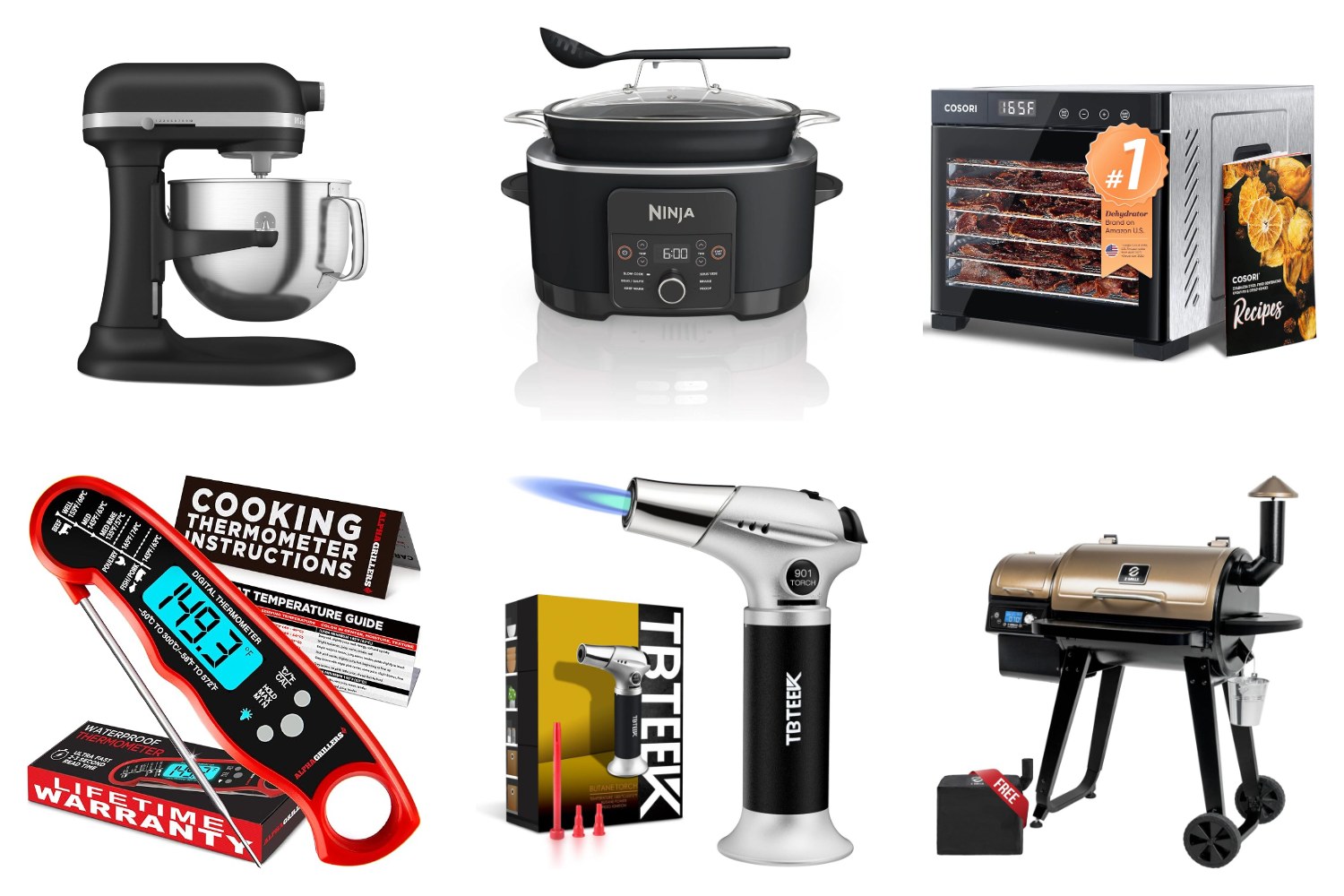
Slow cookers use very low power despite cooking for longer periods, making them very energy efficient. They’re perfect for hearty fall meals like beef stew or lentil dhal that you can put on in the morning and come back to in the evening. For one-pot fall dinners, this is a genuinely significant energy saving compared to a Dutch oven in the oven for the same dish.
Microwaves heat food directly rather than heating the air around it, making them considerably more efficient than an oven for reheating and for tasks like steaming vegetables or warming pre-cooked grains. If you’ve got a batch of rice or lentils that just needs warming up, the microwave is the right tool, not the stovetop and definitely not the oven.
Air fryers are worth mentioning too. They heat a smaller space quickly with circulating hot air, which makes them more efficient than a full-size oven for smaller quantities of roasted vegetables, reheated leftovers, or anything that benefits from a crispy finish. For a household of two cooking a modest portion of roasted root vegetables, an air fryer gets the job done faster and at a lower energy cost than preheating the full oven for the same task.
Cook at Home More Often and Notice the Double Benefit
It’s worth making the point explicitly because the benefit is actually twofold. Cooking at home warms the kitchen, which reduces how hard the heating system has to work, on top of the direct saving from not spending on restaurant or takeout meals.
The two savings don’t always get counted together, but they should. A night in cooking a big pot of soup contributes to your food budget, keeps the kitchen warm without touching the thermostat, and produces leftovers that reduce tomorrow’s food cost too. That’s a lot of value from one evening at the stove.
Use Exhaust Fans Sparingly
This one genuinely catches people off-guard. Kitchen and bathroom exhaust fans vent heated air directly outside. A running bathroom fan can remove a houseful of warm air in just one hour. In fall and winter, running the kitchen exhaust fan longer than necessary to clear smoke or steam means you’re actively pushing the warm air your heating system just generated out of the house.
Use the kitchen fan when you need it, for anything smoky or particularly steamy, and turn it off as soon as the immediate need has passed. Same with bathroom fans. It’s a small adjustment with a real effect on how efficiently your heated air stays where you put it.
The Bottom Line
Saving money on heating and cooking costs this fall doesn’t require a single expensive upgrade or a dramatic lifestyle change. It’s a collection of small, connected habits. Each habit is individually minor. Collectively, they shave real money off the monthly bills at exactly the time of year when energy costs are climbing.