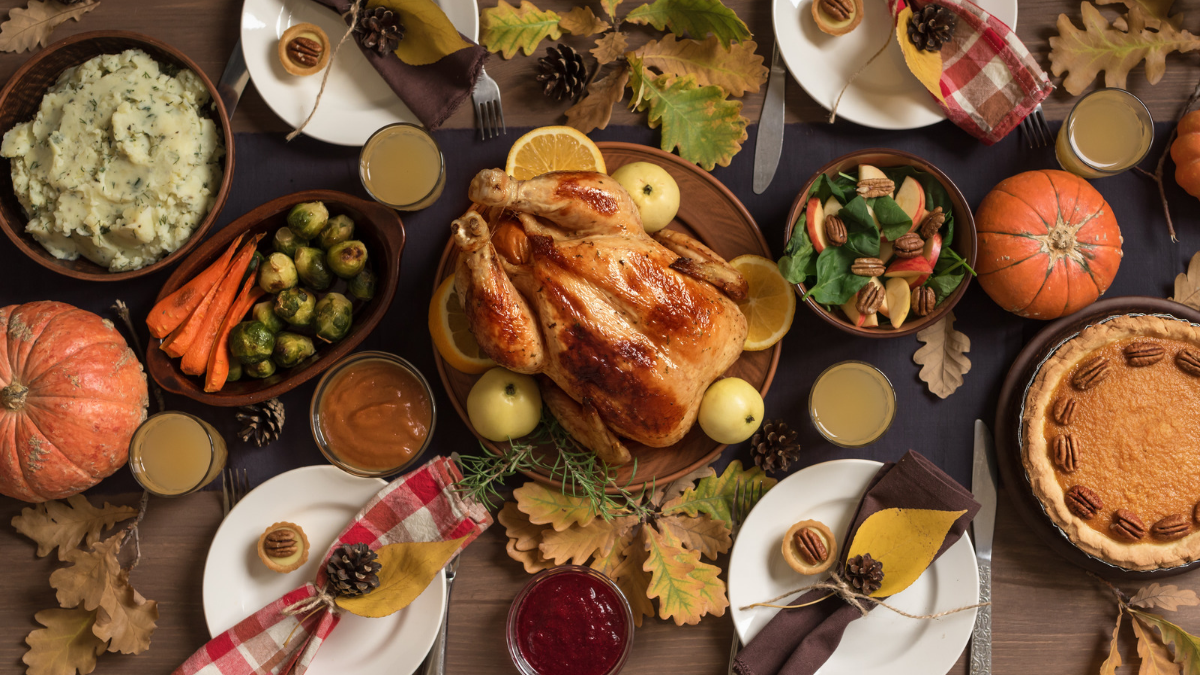
Fall cooking has a reputation for being rich, cozy, and comforting, but you don’t need an expensive grocery cart to get there. Some of the best fall dinners are built around inexpensive ingredients like potatoes, onions, carrots, beans, lentils, pasta, rice, squash, and affordable cuts of meat.
The trick is knowing how to make those ingredients taste like you spent considerably more than you actually did.
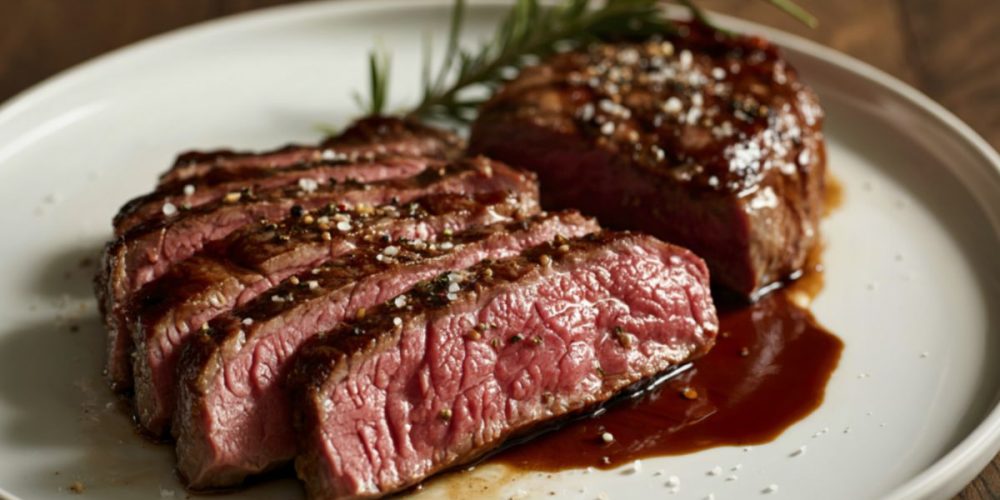
A $2 bag of potatoes can become a deeply savory side dish with browned butter and herbs. A basic pot of beans can taste completely different after you add caramelized onions and a splash of vinegar. Even an inexpensive chicken thigh can feel restaurant-worthy when it’s properly browned and served with a quick pan sauce.
That’s the real secret to frugal cooking: you don’t always need better ingredients. You often need better technique.
If your fall dinner rotation is starting to feel repetitive, here are 10 simple ways to make inexpensive meals taste richer, deeper, and more satisfying without blowing your food budget.
1. Brown Your Ingredients Before You Build the Dish
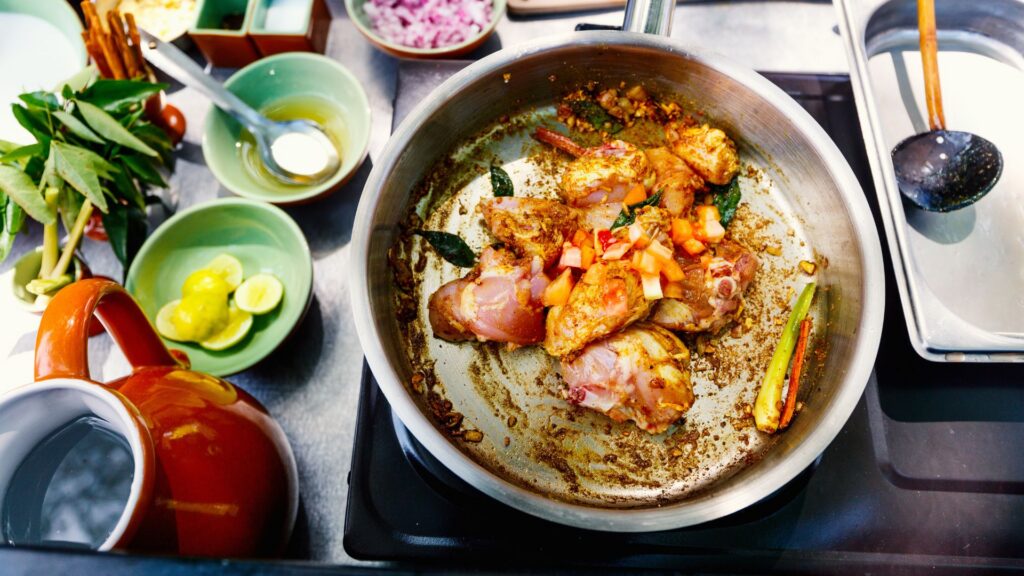
One of the easiest ways to make an inexpensive dinner taste more sophisticated is to give your ingredients enough time to brown. Browning creates new aromas and flavors through the Maillard reaction, which is why properly seared meat and browned vegetables taste so much more complex.
This is especially useful with inexpensive cuts like chicken thighs, ground beef, pork shoulder, and sausage.
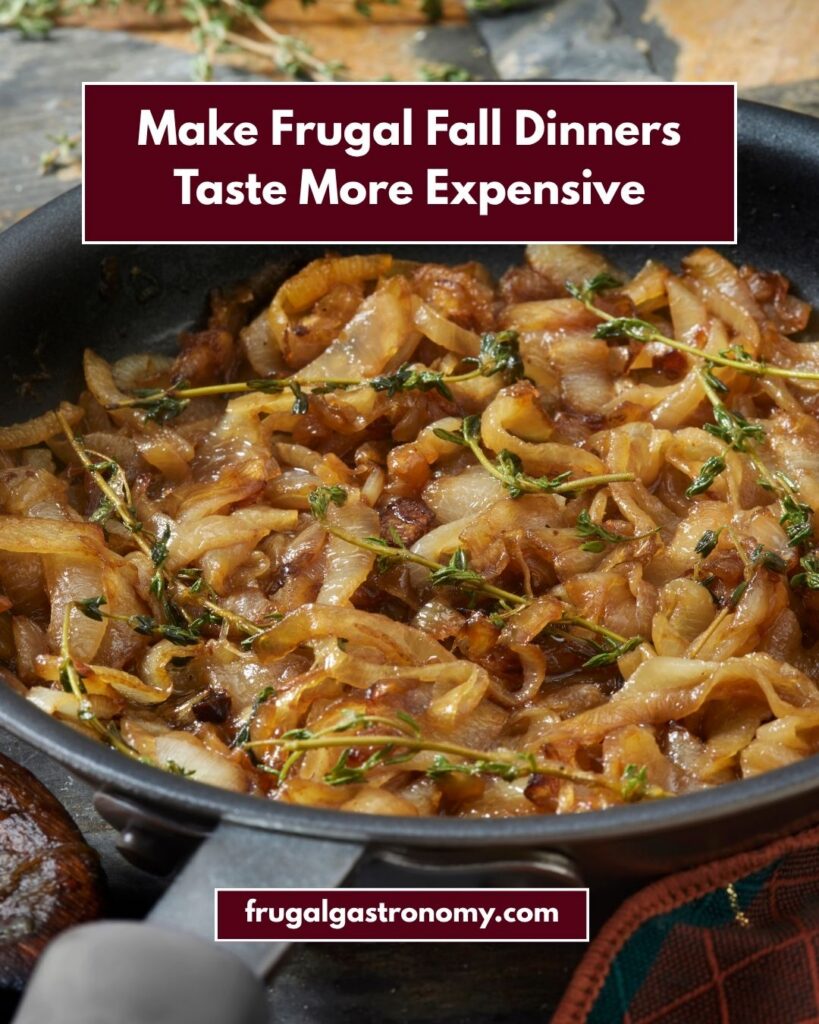
2. Caramelize Your Onions
Onions are one of the cheapest ingredients in the grocery store, making them one of the best tools for frugal cooking. Slowly caramelized onions become soft, sweet, deeply savory, and almost jam-like, adding plenty of flavor to soups, sandwiches, pasta, potatoes, and beans.
You can even make a larger batch and use it throughout the week.
3. Use the Browned Bits at the Bottom of the Pan
Those brown bits left behind after cooking meat or vegetables are called fond, and they’re packed with flavor. Add a little broth, wine, cider, vinegar, or even water to the hot pan and scrape up those bits to create the foundation of a quick sauce.
It’s one of the easiest ways to turn an inexpensive protein into something that feels much more special.
4. Roast Your Vegetables Until They’re Actually Brown
There’s a big difference between roasted vegetables and vegetables that have simply been warmed through in an oven. Potatoes, carrots, Brussels sprouts, sweet potatoes, and squash develop much deeper flavor when they have enough space to brown and caramelize. Don’t overcrowd your baking sheet, or they’ll steam instead of roast.
5. Finish Savory Dishes With Something Acidic
If a cheap dinner tastes flat even after you’ve seasoned it, it might not need more salt. A splash of lemon juice, vinegar, pickle brine, or another acidic ingredient can brighten rich fall dishes like soups, stews, beans, and braises.
You only need a small amount to make the other flavors taste more balanced.
6. Make a Simple Homemade Sauce
A homemade sauce can make inexpensive ingredients feel much more luxurious without requiring expensive ingredients. A quick pan sauce, tomato sauce, yogurt sauce, or herb butter can transform basic chicken, vegetables, pasta, potatoes, or grains.
The goal isn’t to make complicated restaurant sauces. It’s simply to add another layer of flavor to the meal.
7. Use Herbs Strategically
Fresh herbs can make an inexpensive dinner taste fresher and look more polished, but you don’t need to buy several varieties for one recipe. Choose versatile herbs such as rosemary, thyme, sage, parsley, or chives that can be used across soups, vegetables, poultry, beans, and potatoes.
Use dried herbs during cooking and save a smaller amount of fresh herbs for finishing.
8. Toast Your Spices
Spices can taste surprisingly dull when they’re simply stirred into a finished dish. Briefly cooking spices in a little oil helps release their aromatic compounds and creates deeper flavor.
Try this technique with cumin, coriander, paprika, chili powder, or curry spices before adding your broth, tomatoes, beans, or other liquids.
9. Add Texture, Not Just Flavor
A meal can taste delicious but still feel underwhelming when everything has the same soft texture. Add contrast with toasted breadcrumbs, crispy chickpeas, roasted nuts, crispy onions, or even leftover roasted vegetables.
You don’t have to buy specialty toppings, either. Stale bread can become breadcrumbs, making this a great way to reduce food waste while improving dinner.
10. Finish the Dish Before Serving
The final few minutes of cooking can make an enormous difference, so taste your food before taking it to the table. Ask whether it needs more salt, acid, richness, freshness, or crunch, then make a small adjustment.
A bowl of lentils, for example, might need nothing more than lemon juice, fresh parsley, and a drizzle of olive oil to go from plain to genuinely satisfying.
The Best Budget Fall Ingredients Are the Ones You Can Transform
The good news is that you don’t need a completely different grocery list to cook better fall dinners.
Fall is already a great season for budget cooking because many of the ingredients associated with it are affordable and versatile. Squash, apples, root vegetables, potatoes, onions, beans, and other pantry staples can form the foundation of numerous meals, and seasonal produce can offer good value when it’s abundant.
The key is to stop thinking about inexpensive ingredients as the finished meal.
A potato isn’t just a potato. It can become crispy roasted potatoes, creamy soup, mashed potatoes, breakfast hash, or a base for a loaded dinner.
An onion isn’t just an onion. It can become the aromatic foundation of soup, a caramelized topping, a sauce ingredient, or a deeply savory component of a grain bowl.
Beans aren’t just a cheap protein. They can become chili, soup, a creamy spread, a taco filling, or a hearty side dish.
That’s where the real savings happen. You’re buying inexpensive ingredients, but you’re using technique to create variety.
How to Make Frugal Fall Dinners Taste Expensive
If you remember only a few principles from this article, make them these:
- Brown your food: Browning creates deeper, more complex flavors without requiring expensive ingredients.
- Build flavor in layers: Season throughout the cooking process rather than trying to fix everything at the end.
- Use the pan: Those browned bits left after cooking are free flavor waiting to become a sauce.
- Use acid: A little lemon juice or vinegar can make rich foods taste brighter and more balanced.
- Create contrast: Pair creamy foods with something crisp, soft foods with something crunchy, and rich dishes with something fresh.
- Finish intentionally: Fresh herbs, butter, olive oil, toasted breadcrumbs, or vinegar can make a simple meal feel complete.
Final Thoughts
Making a cheap fall dinner taste expensive isn’t about disguising inexpensive food. It’s about understanding how much flavor you can get from simple ingredients when you give them the right treatment.
Take your time with the onions. Let the vegetables brown. Toast the spices. Use the fond at the bottom of the pan. Finish rich dishes with a little acid and add something fresh or crunchy before serving.
None of those techniques require a premium grocery budget.
And that’s really the point. Frugal cooking doesn’t have to mean settling for bland, repetitive meals. With the right techniques, the humble ingredients already sitting in your pantry can become the kind of comforting fall dinners you’d happily pay much more for.