A single rotisserie chicken, priced between $5 and $9 at most grocery stores, can stretch across three to five meals for a family of four when broken down strategically. The key is portioning the meat immediately after bringing it home, saving the carcass for broth, and pairing each portion with inexpensive fall pantry staples rather than treating the whole bird as a single dinner.
Few things at the grocery store represent better value than a rotisserie chicken. It’s already cooked, already seasoned, and ready the moment you walk in the door, which makes it an easy solution for a busy weeknight dinner. But most households treat it as exactly that: one dinner. The chicken comes out, dinner happens, and whatever’s left gets picked at for lunch the next day before the bones get thrown away.
That approach uses maybe a third of the value the bird actually offers. A rotisserie chicken treated as an ingredient rather than a single meal becomes something considerably more useful, and fall is the season where that shift pays off most naturally. Hearty soups, warm grain bowls, pasta dishes, and slow-simmered braises all welcome shredded chicken with almost no additional effort, and the bones produce a homemade broth that carries flavor into an entirely separate set of meals.
Start Right: Break It Down the Day You Bring It Home
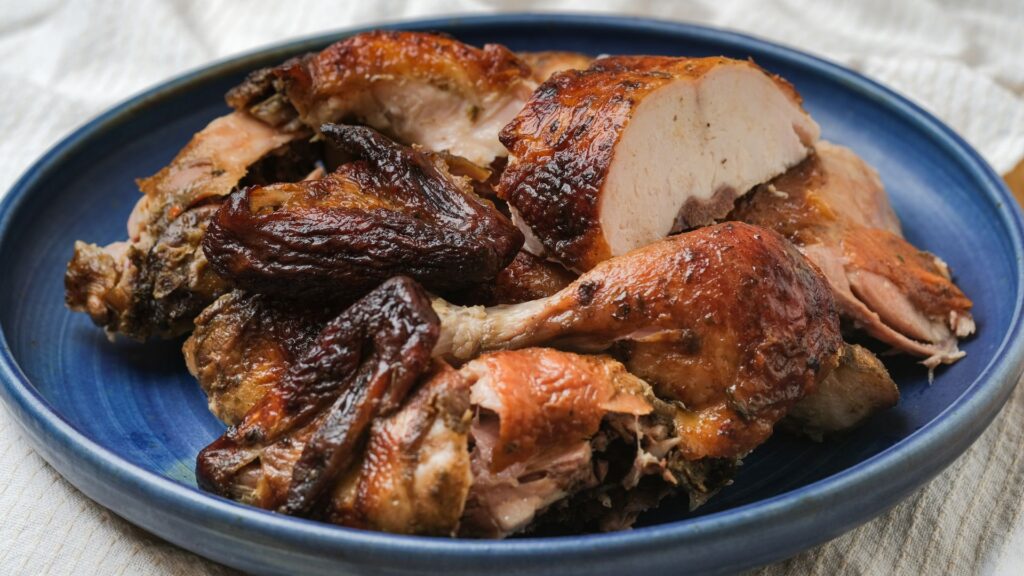
The single most important habit for getting maximum value from a rotisserie chicken is portioning it on the day of purchase rather than leaving it in its container and pulling pieces off as needed throughout the week. <cite index=”9-1″>Portioning up your rotisserie chicken on the day you bring it home is the best way to set yourself up for a week of delicious meals. Once you’ve let the meat cool for around 30 minutes, start by slicing off the breasts, thighs, wings, and back section, then remove the remaining meat from the carcass.</cite>
Transfer the shredded and pulled meat into an airtight container and refrigerate. Immediately separate the bones, skin, and carcass into a separate bag or container, because that carcass is the foundation of your next step and it shouldn’t go anywhere near the bin.
Portioning immediately does two things. It gives you a clear picture of how much meat you’re actually working with, which makes planning the week’s meals considerably more concrete. And it stores the meat properly, which extends its refrigerator life to four days rather than the shorter window of chicken sitting loosely in a supermarket container that wasn’t designed for storage. <cite index=”10-1″>The most common storage mistake is leaving the chicken in the store container and putting it directly in the fridge without checking whether it’s airtight. Store containers are often designed for display, not long-term storage.</cite>
The Carcass: Your Most Underused Asset
Before planning a single meal around the meat, deal with the bones. The carcass of a rotisserie chicken, along with any skin and drippings collected at the bottom of the container, makes an exceptional homemade broth that costs nothing beyond what you’ve already paid for and produces something meaningfully better than anything sold in a carton.
Place the carcass in a large pot and cover generously with cold water. Add a halved onion, a few celery stalks, a carrot or two, a bay leaf, and a few peppercorns if you have them. Bring to a gentle boil, reduce to a low simmer, and cook uncovered for one to two hours. Strain, cool, and refrigerate or freeze in portions.
The resulting broth is richer and more deeply flavored than most commercial stocks because the bones of a well-seasoned rotisserie chicken carry all of that seasoning into the liquid. It makes an immediate home in any fall soup or grain dish, and it elevates something as simple as cooked rice into a genuinely more flavorful side dish with no extra effort. Freeze whatever you don’t use within three to four days in one-cup or two-cup portions that can be pulled out exactly when a recipe needs them.
How to Stretch the Meat Across the Week
Thinking of the shredded chicken as a shared ingredient across several meals rather than the star of a single one is the mindset shift that unlocks most of its value. A typical rotisserie chicken yields three to four cups of shredded meat, which is considerably more protein than one dinner requires and exactly the right amount to contribute meaningfully to three or four separate dishes.
The most effective approach is to assign the different parts of the chicken to different meal types based on their eating quality. The breast meat, which is leaner and slices cleanly, works best in dishes where the chicken’s appearance and texture matters: salads, grain bowls, sandwiches, and tacos where the protein is visible and the eating experience is at least partly about texture. The darker thigh and leg meat, which is richer and shreds more easily, holds up better in cooked dishes where it will be incorporated into a sauce or broth: soups, pasta, casseroles, and stir-fries where it absorbs surrounding flavors and becomes part of a whole rather than a standalone element.
Five Fall Meals One Chicken Can Anchor
Night one: Straight from the bird. This is the easiest option and the one that requires no planning at all. Serve the chicken alongside roasted fall root vegetables and a simple pan sauce made from the drippings in the container. This meal requires almost no cooking and costs very little beyond the bird itself.
Night two: Chicken and rice soup. This is where the homemade broth earns its keep. Simmer the broth with diced carrots, celery, onion, and a handful of rice or egg noodles until tender. Add the shredded thigh meat in the last five minutes of cooking. The result is one of the most warming, satisfying fall dinners available, made almost entirely from ingredients already in the house and the broth produced from bones that would otherwise have been thrown away.
Night three: Quick chicken pasta. Toss shredded chicken breast into a simple pasta with olive oil, garlic, canned tomatoes, and a handful of wilted greens. The chicken needs only to be warmed through in the sauce rather than cooked from scratch, which makes this a genuinely fifteen-minute dinner on a busy weeknight.
Night four: Chicken grain bowl. Shredded thigh meat over cooked farro, brown rice, or quinoa with roasted seasonal vegetables, a drizzle of tahini or a simple vinaigrette, and whatever pickled or fresh element you have available. Grain bowls are one of the most versatile and forgiving formats for using small amounts of pre-cooked protein, and they work particularly well in fall when root vegetables and hearty greens are at their cheapest and most abundant.
Night five: Chicken tacos or wraps. The last of the shredded meat, warmed briefly in a pan with cumin, garlic powder, and a splash of lime juice, fills tacos or wraps that feel like a completely different meal from everything that came before despite using the same basic ingredient. A can of black beans added to the pan alongside the chicken stretches the protein further and adds fiber and substance at almost no additional cost.
Fall is Ideal Timing for This Approach
Rotisserie chicken’s versatility pairs particularly well with the cooking landscape of fall because the meals it supports most naturally are exactly the ones that define the season. Soups benefit most from a good homemade broth. Grain bowls are more satisfying when seasonal roasted vegetables fill out the bowl alongside a modest amount of shredded protein. Pasta dishes that might feel light in summer feel genuinely warming when paired with shredded chicken and a rich tomato-based sauce.
Fall is also when grocery stores run some of their strongest rotisserie chicken promotions, since they’re frequently used as a loss leader to drive foot traffic as the cooking season intensifies. Picking one up when the price is right and portioning it correctly is one of the most efficient single grocery purchases of the season.
The Bottom Line
A rotisserie chicken stopped being just dinner the moment you decided to treat it as an ingredient. The math works clearly in the shopper’s favor: one bird at $5 to $9, portioned on day one, yields four to five distinct meals across the week and a batch of homemade broth that would cost several dollars to replicate with a store-bought equivalent. Fall, with its natural pull toward soup, grain dishes, and warming pasta, is exactly the right season to build this habit. Pick up the chicken, break it down before you eat, save the bones, and let the rest of the week take care of itself.
Frequently Asked Questions (FAQ’s)
How long does rotisserie chicken last in the fridge? Properly stored in an airtight container, shredded rotisserie chicken keeps in the refrigerator for three to four days. For longer storage, freeze in portioned amounts for up to three months.
Can you freeze rotisserie chicken? Yes. Shredded rotisserie chicken freezes well in airtight freezer bags or containers for up to three months. Freeze in meal-sized portions rather than all at once so you can thaw only what a recipe requires.
How many meals can you get from one rotisserie chicken? A typical rotisserie chicken yields three to four cups of shredded meat, which is enough to contribute meaningfully to three to five separate meals depending on portion size and what other ingredients each dish includes.
What is the best way to reheat rotisserie chicken? Add a splash of water or broth to the shredded chicken before reheating in a covered pan over low heat. This prevents it from drying out. Avoid microwaving uncovered for long periods, which dries the meat significantly.
Is rotisserie chicken a good budget buy? Yes. At $5-$9 per bird, rotisserie chicken is one of the best-value sources of fully cooked protein at any grocery store. When the carcass is used for homemade broth and the meat is stretched across multiple meals, the cost per serving drops to well under two dollars.