
Couponing has a reputation problem, and it’s mostly earned. The image of someone with a binder full of clipped inserts, spending an hour matching promo codes to sale cycles just to save four dollars on laundry detergent, is enough to put most people off the entire concept of saving money on groceries. The good news is that coupons were never actually where the real savings live. They’re a visible, marketable strategy, but they’re not the most effective one.
The biggest grocery savings come from changing how you approach food entirely, not from hunting through inserts for small discounts. Meal planning, shopping your own pantry first, reducing waste, and shifting a few habitual purchases toward better-value alternatives consistently outperform coupon clipping, and they take a fraction of the time. This guide walks through exactly how to do that, with real numbers behind each strategy so you know which habits are actually worth building.

Start by Tracking Where Your Money Actually Goes
Before changing anything about how you shop, it’s worth spending one month simply tracking what you’re spending and on what. This step gets skipped constantly because it feels unnecessary, but it consistently produces the single biggest insight in the entire process. Most people are confident they know where their grocery money goes, and most people are wrong.
A household that thought it was spending around $650 a month on groceries discovered through receipt tracking that the real number was closer to $900, and the gap wasn’t where they expected. They assumed they were overspending on meat. It turned out to be snacks and drinks quietly accumulating across the month. Once that became visible, the fix was obvious and the cuts were easy to make without feeling like a sacrifice.
This pattern repeats across most households. Tracking all food spending, including takeout, coffee, and snacks, is the first real step toward understanding where the money is actually going, and households that track every receipt for a month typically uncover $80 to $120 in spending they didn’t realize was happening, concentrated in categories like convenience snacks and impulse drinks rather than the big-ticket items they assumed were the problem.
Plan Your Meals Before You Shop, Not While You’re There
Meal planning is, without exaggeration, the single most effective grocery-saving habit available, and it doesn’t require coupons, apps, or any specialized tool. Studies and consistent household data show that meal planning reduces grocery spending by 15% to 25%, which is a far larger impact than coupon clipping has ever delivered for the average shopper.
The mechanism is straightforward. A written plan for the week’s dinners produces a specific, bounded grocery list. That list prevents the kind of wandering, half-improvised shopping trip where extra items accumulate in the cart simply because they looked appealing or convenient in the moment. Without a plan, you end up buying ingredients for meals you imagine you might cook, many of which never actually get made, and the unused ingredients eventually get thrown out.
The most effective version of this habit takes the planning process in reverse order from what most people assume. Instead of deciding what to eat and then shopping for it, check the store’s current sales and your own pantry first, then build the week’s meals around what’s already cheap or already in the house. If chicken thighs are on sale, plan several chicken-based meals that week. If broccoli is priced low, build two or three dishes around it. This flexibility consistently saves more money than any individual discount or coupon ever could, because it’s optimizing the entire week rather than a single purchase.
Shop Your Own Pantry Before You Shop the Store
Before writing a grocery list at all, take inventory of what you already have. That forgotten can of tomatoes in the back of the cupboard, the half-bag of rice from a few weeks ago, the block of cheese that’s been sitting in the refrigerator drawer, all of it can form the foundation of several meals without spending another dollar.
This single habit cuts a typical shopping list roughly in half and prevents one of the most common and least noticed sources of overspending: duplicate purchases. Buying a second jar of peanut butter because you forgot the half-full one was already in the cupboard is a small mistake that compounds significantly over a year of shopping trips. A five-minute check of the pantry, refrigerator, and freezer before writing any list closes that gap completely.
Planning meals around what already exists in the house, then filling in only the genuine gaps with fresh purchases, is a habit that costs nothing and pays for itself on every single trip.
Reduce Food Waste
Food waste is one of the largest and least visible drains on a grocery budget, and addressing it has the same financial effect as getting a substantial discount on everything in the cart. Americans throw away roughly 30% of food, which means that for every three bags of groceries brought home, the equivalent of one full bag ends up in the trash, uneaten.
Reducing that waste doesn’t require dramatic lifestyle changes. Vegetable scraps that would normally be discarded can be simmered into a homemade stock. Fruit that’s gone slightly past its best eating window can be blended into smoothies rather than thrown out. Leftover rice from one meal becomes the base for fried rice a day or two later rather than getting forgotten in the back of the refrigerator. Each of these is a small habit, but collectively they represent one of the largest savings opportunities available in the entire grocery budget, larger than what most coupon strategies could ever deliver.
The practical version of this habit is simply paying attention to what’s aging in the refrigerator and prioritizing it in your next few meals, rather than reaching for new ingredients while older ones quietly spoil unnoticed.
Shift Your Protein Mix Toward Cheaper, Equally Nutritious Options
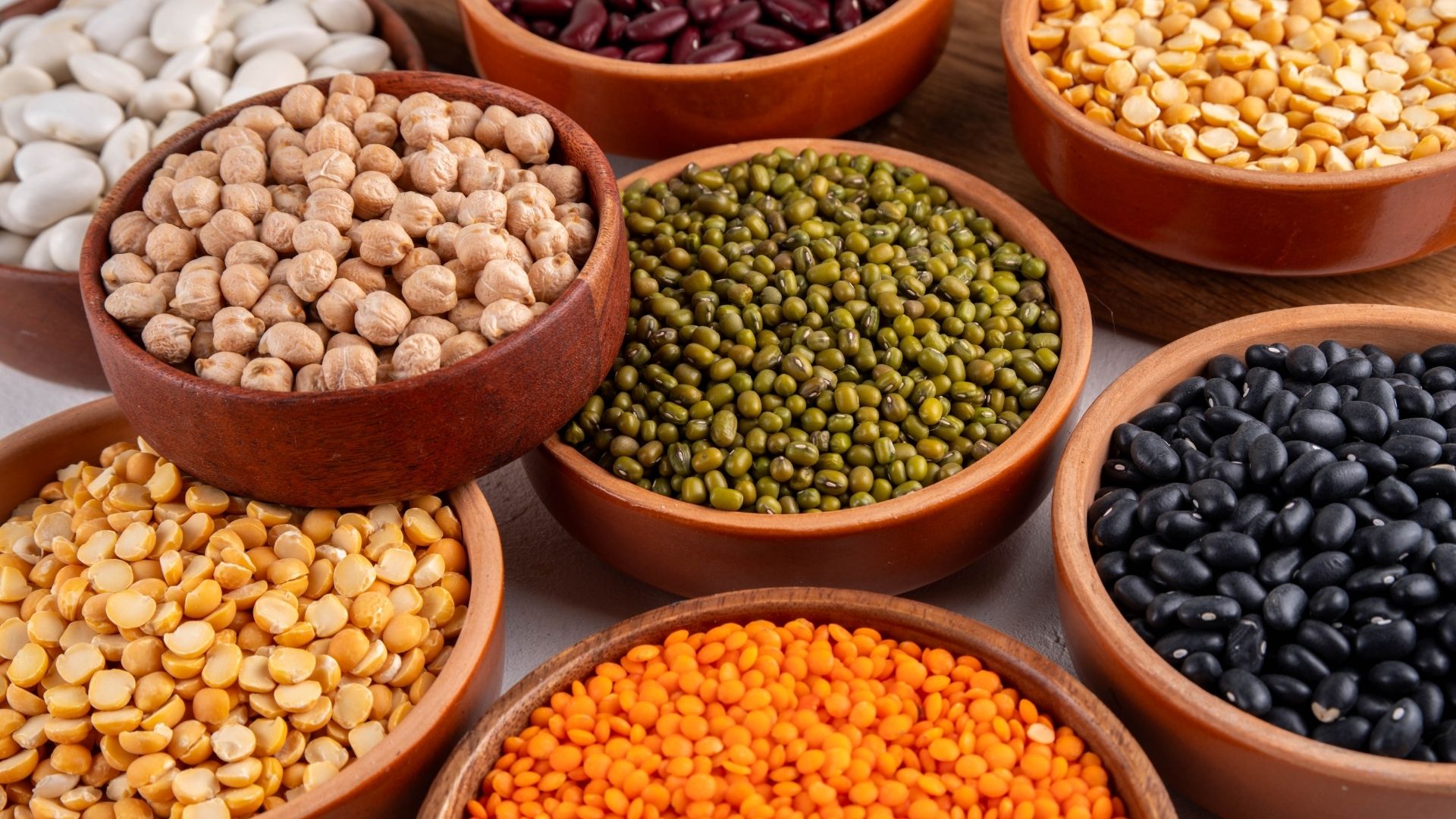
Meat consistently represents the largest single portion of most household grocery budgets, which makes it the highest-leverage category for cost reduction. The fix isn’t necessarily eating less protein. It’s incorporating more beans, lentils, and eggs into the weekly rotation, since these sources cost a fraction of what meat does while providing excellent nutritional value.
This doesn’t mean eliminating meat from your meals. It means building two or three meatless or reduced-meat dinners into a typical week, using legumes and eggs as the primary protein in those meals, and reserving meat-centered dinners for the rest of the week. When you do buy meat, choosing tougher, less expensive cuts that become tender through slow cooking methods like braising or slow roasting delivers the same satisfaction as premium cuts at a meaningfully lower cost per meal.
This single shift in protein sourcing, applied consistently across a month of grocery shopping, produces savings that are considerably larger than what most people realize is available without any coupon involved at all.
Buy Store Brands on Staples Without Hesitation
Choosing store brands over name brands is one of the most reliable, lowest-effort savings strategies available, and it requires no research, no app, and no waiting for a sale cycle. Store-brand pasta, canned goods, dairy, frozen vegetables, and pantry basics are typically priced 20% to 40% below their name-brand equivalents, with no meaningful difference in ingredients or quality for the vast majority of products.
The habit worth building is simple: default to the store brand for any staple ingredient unless you’ve specifically found that the name-brand version is meaningfully better for your needs. For most pantry items, canned goods, and frozen produce, that difference simply doesn’t exist in any way that justifies the price gap.
Compare Unit Prices, Not Package Prices
Grocery stores frequently place higher-margin items at eye level on the shelf, while better-value options sit higher or lower, out of the immediate sightline. The most reliable way to cut through this layout is to compare unit prices, the cost per ounce, per count, or per pound printed on the small shelf tag, rather than comparing the total price of the packages themselves.
A larger package isn’t automatically the better deal, and a smaller package isn’t automatically worse. The only way to know for certain is to check the unit price tag, which most stores are required to display directly beneath the product. This habit takes seconds once you know to look for it, and it consistently reveals which size or brand is the genuinely better value, independent of how the packaging or shelf placement is designed to influence the decision.
Shop Seasonal Produce and Let Sales Shape Your Plan
Produce costs fluctuate dramatically depending on what’s currently in season. Strawberries in December can cost three times what they do in June, and that pattern repeats across nearly every fruit and vegetable category throughout the year. Building meals around whatever produce is currently in season, rather than around a fixed idea of what you want to eat regardless of price, is one of the more painless ways to reduce a grocery bill without any sense of deprivation.
The same logic applies to checking store flyers before finalizing a weekly plan. If a particular protein or vegetable is featured at a notably lower price that week, that’s the ingredient the week’s meals should be built around. This single habit, checking what’s actually cheap before deciding what to cook, consistently outperforms any individual coupon or promotional code, because it’s responding to real-time pricing rather than a fixed discount on a single product.
Switch to One Planned Shopping Trip Per Week
The number of times you walk into a grocery store in a given week has a surprisingly large effect on total spending, independent of what’s actually on the list. Switching to a single planned shopping trip per week, rather than several smaller “just grabbing a few things” trips, saves most households a meaningful amount each month by eliminating the impulse purchases that accumulate during unplanned visits.
Each unplanned quick run to the store tends to add a noticeable amount in extras that weren’t part of any plan, items picked up because they were nearby or looked good in the moment rather than because they were needed. Pairing a single weekly trip with a strict shopping list removes two of the largest sources of unplanned spending simultaneously, without requiring any change to what you actually eat.
Use Loyalty Programs and Cash Back Apps Strategically, Not Compulsively
This is the one area where the distinction from traditional couponing matters most. Store loyalty cards and cash back apps can provide real, meaningful savings on items you were already planning to buy. The trap to avoid is treating a discount as a reason to buy something you weren’t otherwise planning on. A sale price on an item that wasn’t part of your plan is still money spent, and it’s the exact behavior that makes traditional couponing feel inefficient and time-consuming in the first place.
Digital coupons through store apps are genuinely worth using because they apply automatically at checkout with no clipping or matching required, and they work well specifically because they layer on top of purchases you were already going to make. Used this way, on your existing list rather than as a reason to expand it, loyalty programs and cash back apps are a low-effort addition to the strategies above rather than a separate, time-intensive project.
Buy in Bulk, But Only for What You’ll Actually Use
Buying in bulk can deliver a genuinely lower cost per unit, but it only works as a savings strategy when applied to non-perishable items you’ll reliably use before they go bad. Many shoppers undermine their own bulk-buying savings by purchasing large quantities of perishable goods that spoil before they’re consumed, which converts an apparent discount into outright waste.
The better approach is to focus bulk purchasing on shelf-stable staples like rice, dried beans, pasta, and canned goods, where the lower cost per unit is locked in without any spoilage risk. For perishables, bulk buying makes sense only when paired with a clear plan for freezing or using the excess quickly, rather than simply because the per-unit price looked appealing on the shelf tag.
The Bottom Line
Cutting your grocery bill without coupons isn’t about finding a clever workaround for the discounts coupons provide. It’s about recognizing that coupons were never where the largest savings actually came from in the first place. Tracking your real spending, planning meals around what’s already cheap or already in your pantry, reducing food waste, shifting some protein choices toward beans and eggs, defaulting to store brands, and consolidating your shopping into a single planned weekly trip collectively deliver savings that are larger, faster to implement, and considerably less time-consuming than clipping a single coupon ever was.
Start with one or two of these habits rather than attempting all of them simultaneously. Track your spending for a month, then add meal planning. Once that feels automatic, layer in the pantry check before each shop. The savings compound as the habits stack, and within a few months, most households find their grocery bill has dropped meaningfully without anything about how they eat having changed at all.