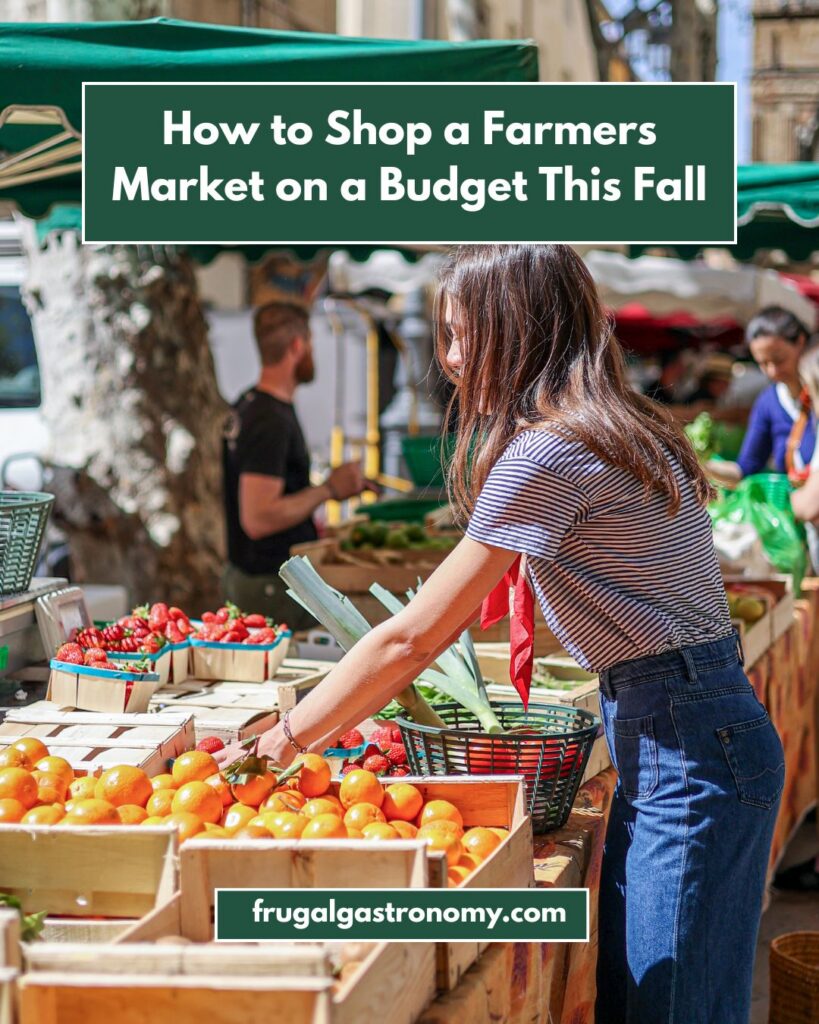
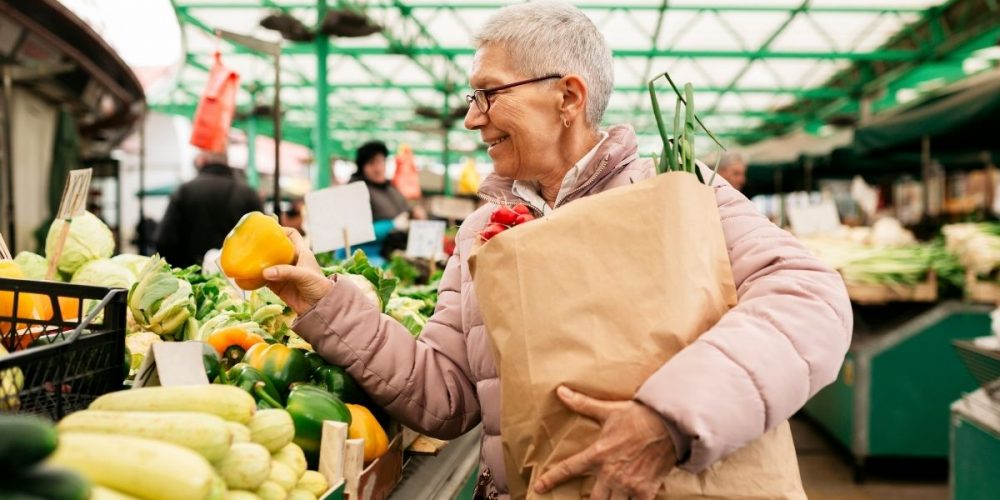
Fall is one of the best times of year to shop at a farmers’ market on a budget because harvest-season supply is at its peak and prices follow. At a glance, a few tips we have in mind are to shop with a flexible meal plan rather than a fixed list, doing one full lap before buying anything, arriving near closing time for markdowns, asking farmers about seconds and bulk deals, and bringing cash with a hard spending limit. Read more for fuller details to each tip.
Farmers markets have a reputation for being expensive, and it’s not entirely unfair. A single artisan cheese, a jar of small-batch honey, and a bunch of heirloom tomatoes can add up faster than you’d expect, and it’s easy to leave having spent more than a supermarket trip would have cost. But that reputation mostly describes a specific kind of farmers market shopping, the kind where you wander without a plan and buy whatever catches your eye. With a bit of intention and a few simple habits, fall farmers’ markets are actually one of the best budget produce opportunities of the year.
Fall is when the harvest is at its peak and vendor supply is at its highest. Root vegetables, winter squash, apples, pears, cabbage, and kale are all abundant right now, and that abundance consistently pushes prices down. The farmers who grew them need to move volume before the season closes, which creates genuine value for shoppers who know what to look for and how to approach it.
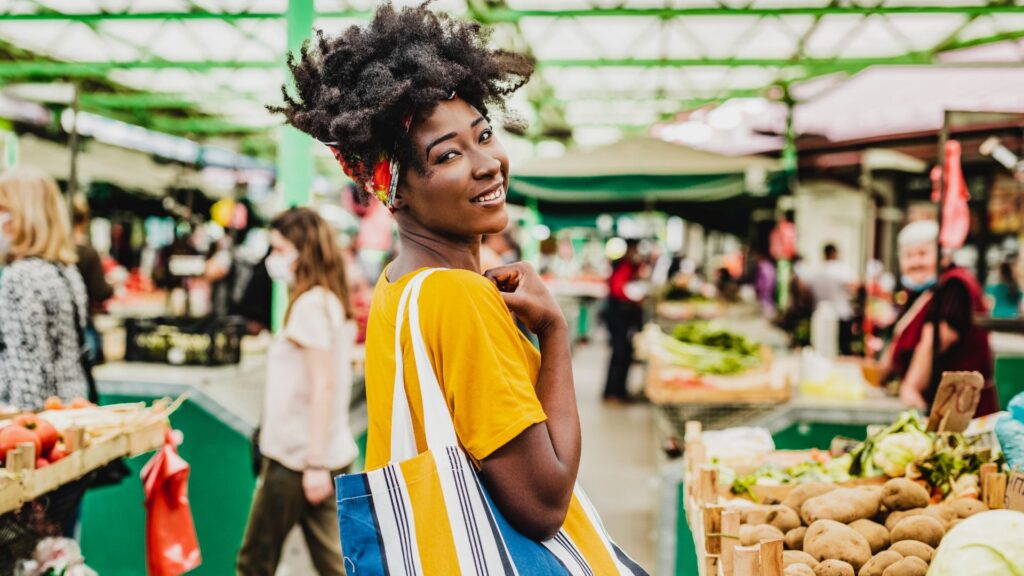
Go In With a Flexible Plan, Not a Rigid List
The single most useful mindset shift for budget farmers market shopping is understanding that your list needs to be flexible in a way that a supermarket list doesn’t. A supermarket carries the same products at roughly the same prices week after week, which makes a fixed list perfectly sensible. A farmers market changes every week depending on what’s ready, what’s abundant, and which vendors showed up. Arriving with a rigid list of specific items often means paying more for things that are scarce while walking past the genuinely cheap and plentiful options.
The better approach is to go with a rough idea of the meals you want to cook that week, keeping the protein flexible and the produce entirely open-ended until you see what’s actually there. If you’re planning soup, any number of fall vegetables will work beautifully. If you want a roasted side dish, squash, carrots, parsnips, and beets are all excellent right now. Keeping that flexibility gives you the ability to build your week’s meals around what’s abundant and cheap rather than what a recipe calls for.
Do One Full Lap Before You Buy Anything
This is probably the most universally agreed-upon piece of farmers market advice, and it’s worth taking seriously even when you’re hungry and the first booth has beautiful produce. Do a complete walk around the entire market before putting anything in your bag. Prices for the same item, say a bunch of carrots or a bag of apples, can vary meaningfully from one vendor to the next, and you won’t know that unless you’ve seen the whole market.
The lap also shows you what’s most abundant that week, which is usually what’s cheapest. When six different vendors are all selling the same variety of apple at roughly the same time, that’s the apple to buy. When only one vendor has a particular item in limited quantity, that’s the item most likely to be priced at a premium. A five-minute walk around the market before spending a dollar is one of the highest-return habits in budget farmers market shopping.
Shop Near Closing Time for the Best Deals
If the early birds get the best selection, the late arrivals often get the best prices. Vendors who have driven an hour or more to the market don’t want to drive that produce back home at the end of the day, which means the last hour before close is when markdowns happen. Bags of produce get bundled together, prices drop on anything that’s getting soft or overripe, and vendors who want to clear their tables become negotiable in ways they wouldn’t have been at 9am.
This strategy works particularly well for produce you’re planning to use immediately or preserve that same day. Overripe tomatoes are perfect for sauce. Soft pears that aren’t ideal for fresh eating roast beautifully or can be made into compote. Slightly wilted greens refresh quickly in cold water and work perfectly in a cooked dish. The end-of-market deals on produce that’s past its pretty-selling window represent some of the best value available at any farmers market, and most shoppers miss them entirely because they arrived early and left early.
Talk to the Farmers
This sounds obvious, but most shoppers browse farmers markets the same way they browse supermarket shelves, in relative silence, without engaging the person behind the table. That’s a missed opportunity, because the farmer knows things about their own produce that aren’t written on any sign.
They know what’s coming in oversupply next week and will likely be cheaper. They know which items they’d rather sell in bulk at a slight discount than pack up and take home. They know which vegetables are at their absolute peak right now versus which are getting near the end of their season. They often have “seconds,” produce that’s cosmetically imperfect but perfectly good to eat, available at a fraction of the standard price if you ask. A quick conversation at a booth frequently reveals a deal that wasn’t visible from the front of the table.
Buy in Bulk When the Price Is Right and You Have a Plan for It
If a vendor has a surplus of something you genuinely use, this is the moment to buy more than a single week’s worth. A flat of apples at a reduced bulk price makes sense if you’re planning to freeze some for baking or store them in the refrigerator for the next month. A large bag of potatoes or onions bought at harvest pricing keeps for weeks without any refrigeration or processing. Winter squash stored in a cool, dry place can last for months.
The discipline here is the same as it is with bulk buying anywhere: only stock up on things you’ll realistically use before they go bad. The math on bulk farmers market produce only works if it doesn’t end up in the compost bin two weeks later. But for fall’s most storable produce, buying in volume at the market’s harvest prices and storing correctly at home is one of the most straightforward ways to extend seasonal value well into winter.
Bring Cash and Set a Hard Limit
Setting a cash budget before arriving is one of the most reliable ways to stay on track at a market, because cash creates a physical limit that a card doesn’t. Decide how much you want to spend, bring that amount in small bills, and leave the card at home or in the car. When the cash is gone, the shopping is done. It sounds simple because it is, and it works precisely because it removes the “I’ll just add one more thing” decisions that quietly double a market budget.
Fall farmers markets are genuinely worth visiting with intention and a small budget. The produce is at its best, the prices are at their most competitive, and a handful of simple habits make the difference between leaving with a week’s worth of excellent, affordable produce and leaving with a beautiful haul that cost more than it needed to.
Frequently Asked Questions (FAQ’s)
Is it cheaper to buy produce at a farmers market or a grocery store? It depends on the season and the item. During fall harvest season, farmers markets are often competitive with or cheaper than grocery stores on high-volume crops like apples, squash, root vegetables, and cabbage. Specialty or low-supply items will almost always be more expensive at a market than a supermarket.
What is the best time to go to a farmers market to get the best deals? The last hour before the market closes is typically when the best deals appear, as vendors mark down produce they don’t want to transport home. If selection matters more to you than price, arrive early in the first hour when stock is fullest.
What produce is cheapest at a fall farmers market? Root vegetables like carrots, potatoes, turnips, and parsnips, along with winter squash, apples, cabbage, and kale, are typically the most affordable fall produce at any farmers market because they’re harvested in high volume during this season.
Can you negotiate prices at a farmers market? It’s generally acceptable to ask about bulk discounts or deals on seconds, especially near closing time. Haggling on standard prices is less common and can feel uncomfortable for vendors. Politely asking “do you have any deals on larger quantities?” is the most effective and respectful approach.