Dried beans are one of the cheapest, most nutritious, and most versatile ingredients available at any grocery store. A one-pound bag costs less than two dollars, provides up to ten servings, and lasts for years on the shelf. Fall is the ideal season to cook with them because the slow-simmered soups, stews, and braises they suit best are exactly what the colder months call for.
There is a quiet revolution happening in the bean aisle, and it’s entirely justified. With grocery prices running 29% higher than they were five years ago, dried beans have become one of the most logical responses to a tighter food budget. Sales have been climbing steadily, searches for bean-based recipes are up, and home cooks who might have reached for canned beans without a second thought are increasingly discovering that dried beans cost roughly half the price, taste considerably better, and offer a level of control over texture and flavor that a can simply cannot provide.
None of this should be surprising. Dried beans have been a dietary cornerstone across almost every food culture in the world for centuries, precisely because they deliver so much for so little. What’s surprising is how long it took them to get their moment. Fall, when hearty cooking comes back into season and the pressure to stretch the grocery budget is highest, is exactly the right time to start cooking with them.
Why Dried Beans Are Better Than Canned (For Most Purposes)
The convenience argument for canned beans is real and worth acknowledging. A can opens in seconds and is ready to add to any dish immediately, which matters on a busy weeknight. But the advantages of dried beans over canned go further than most people realize, and they’re worth understanding before writing off dried beans as too much work.
The price difference is the most obvious factor. For roughly the same cost as a single can of beans, a one-pound bag of dried beans yields the equivalent of four to five cans of cooked beans. A half-cup serving of cooked beans from dried costs around 17 cents. That’s a meaningful gap, particularly for a household that eats beans regularly across the week.
Beyond cost, dried beans cooked from scratch have a noticeably creamier, more tender texture than canned equivalents, and the cooking liquid they produce is something genuinely valuable in its own right. A pot of cooked white beans produces a starchy, silky liquid that thickens soups and sauces naturally without any added thickener. Canned bean liquid, by contrast, is high in sodium and not particularly useful. Cooking your own beans also gives you complete control over salt levels, which matters for anyone managing sodium intake, since a half-cup serving of canned beans typically contains around 500 milligrams of sodium before anything else is added to a dish.
The Nutritional Case for Eating More Beans
Dried beans are what nutritionists call a nutrient-dense food, meaning they deliver a high ratio of nutrition relative to their calorie content. A half-cup serving of cooked beans provides seven to eight grams of protein, significant amounts of fiber, iron, zinc, potassium, and folate, all for around 100 calories and very little fat. According to the Mayo Clinic, dried beans are high in both soluble and fermentable fiber, the first of which supports blood cholesterol levels and satiety, and the second of which acts as a prebiotic that feeds beneficial gut bacteria.
Diets that regularly include beans are associated with reduced LDL cholesterol, lower risk of type 2 diabetes, and a reduced risk of heart diseases. These aren’t marginal benefits attributable to a single nutrient. They reflect the combined effect of beans’ fiber content, low glycemic index, resistant starch, and polyphenol antioxidants working together over time.
For plant-based eaters or anyone trying to reduce their reliance on meat, beans are also an important source of lysine, an essential amino acid that plant-based diets can otherwise fall short on. Pairing beans with a grain like rice, bread, or pasta, which provides complementary amino acids, creates a complete protein at a cost that is difficult to match with any animal protein.
Why Fall Is the Right Time to Cook Dried Beans
Dried beans are a year-round pantry staple, but fall is when they make the most sense as a cooking anchor. The slow-simmered dishes that dried beans suit best, thick soups, hearty stews, braises, and casseroles, are precisely the kind of cooking that the colder months invite. A pot of beans on a low simmer fills the kitchen with a warmth and a smell that feels appropriate for the season in a way that a quick weeknight stir-fry doesn’t.
Fall also tends to be when households start thinking more deliberately about their grocery budget after the looser summer spending that comes with grilling season, barbecues, and entertaining. Dried beans are one of the fastest ways to bring that budget back under control, because a single bag can anchor three or four complete meals for a family at a cost that is almost embarrassingly low. Combined fall produce, dried beans form the backbone of some of the most satisfying and economical cooking available to a home cook in any season.
How to Soak Dried Beans (And Whether You Actually Have To)
Soaking is the step that puts most people off cooking dried beans, and it’s worth addressing directly: soaking is helpful but not strictly mandatory, depending on the method you use to cook them.
The traditional overnight soak involves covering the dried beans with cold water by at least two to three inches and leaving them at room temperature for eight hours or overnight. Drain and discard the soaking water before cooking. Soaking shortens the cooking time, produces a more evenly cooked bean, and reduces the oligosaccharides, the complex sugars responsible for the digestive discomfort that some people experience after eating beans. If you know beans cause you discomfort, soaking and discarding the water, then cooking in fresh water, is the most effective way to reduce that effect.
The quick soak method is a useful shortcut when you forgot to soak overnight. Cover the beans with cold water, bring to a boil, boil for two minutes, then remove from heat and let sit for one hour. Drain, rinse, and cook in fresh water. The result is comparable to an overnight soak in a fraction of the time.
Cooking without soaking is entirely possible, particularly in a slow cooker or Instant Pot. Unsoaked beans simply take longer, and the texture can be slightly less uniform than soaked beans cooked on the stovetop. For soups and stews where the beans will soften into the surrounding liquid anyway, the difference is minimal.
How to Cook Dried Beans: Three Methods
Stovetop: This is the traditional approach and produces the most control over texture. After soaking and draining, cover the beans with fresh cold water by two inches, bring to a boil, then immediately reduce to a gentle simmer.
Add aromatics at this stage if you like: a halved onion, a few garlic cloves, a bay leaf, and a sprig of fresh thyme all add depth without cost. Cook uncovered or very loosely covered, checking occasionally and adding water if the level drops below the beans. Most beans are tender in 60 to 90 minutes, though older beans (from a bag that’s been in the pantry for more than a year) may take longer. Season with salt only in the last 15 to 20 minutes of cooking. Adding salt too early can toughen the skins.
Slow cooker: The easiest hands-off method. Add soaked, drained beans to the slow cooker with enough fresh water to cover by two inches and any aromatics you’re using. Cook on low for six to eight hours or on high for three to four hours. Season at the end. The slow cooker is particularly well-suited to cooking a large batch over the weekend for use across the week.
Instant Pot: The fastest method and genuinely convenient for unsoaked beans. Add the dried beans directly to the Instant Pot with water and aromatics, seal, and pressure cook on high for 25 to 40 minutes depending on the variety, with a natural release of at least 20 minutes afterward. Black beans and pinto beans cook faster, larger beans like chickpeas and kidney beans take longer. Check your model’s specific guidelines for the variety you’re cooking.
Which Dried Bean to Use and When
Different beans suit different applications, and keeping a variety in the pantry means you’re never short of options regardless of what you’re cooking.
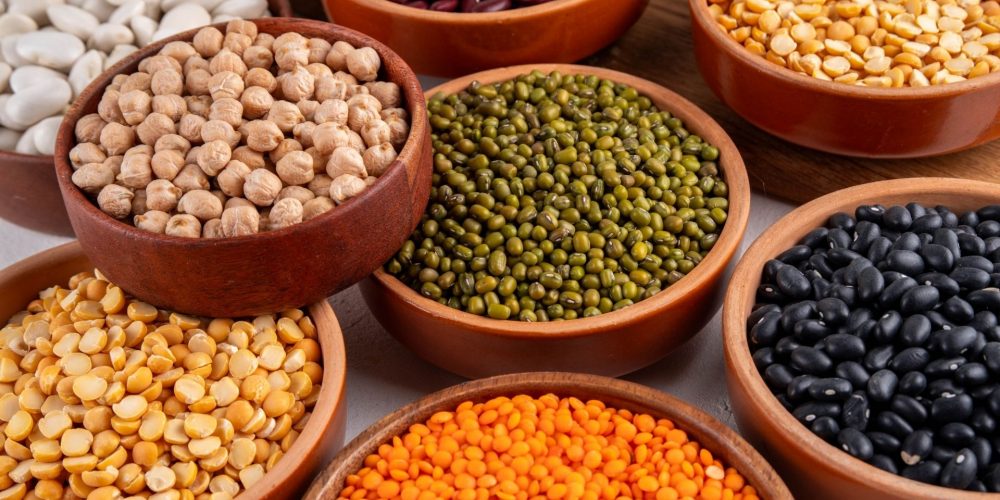
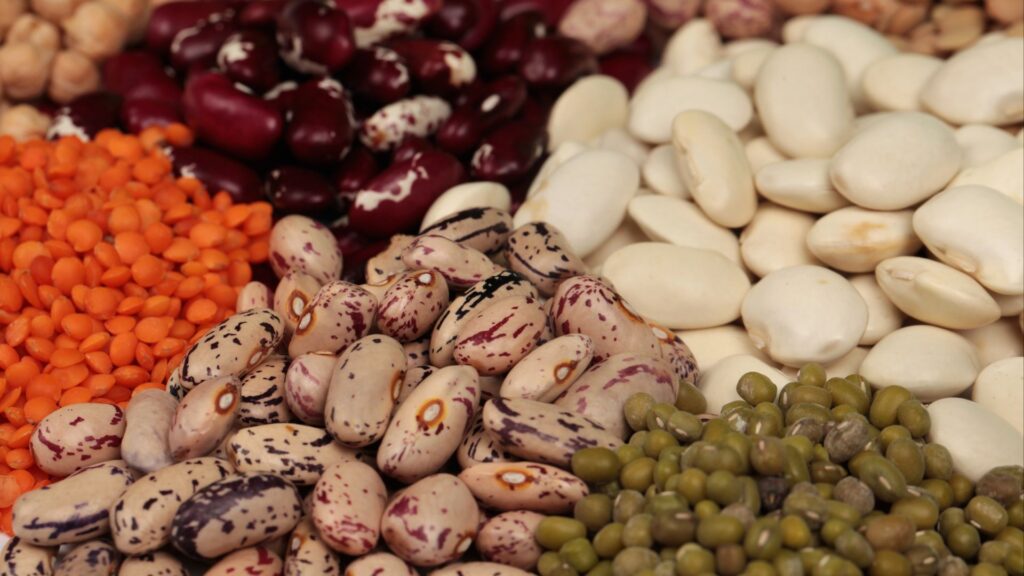
- Black beans have an earthy flavor and a firm texture that holds up well in soups, tacos, rice dishes, and salads.
- Pinto beans are the classic choice for refried beans, chili, and any Tex-Mex or Mexican-inspired dish.
- Cannellini and great northern beans are mild and creamy, ideal for Italian-style soups like pasta e fagioli and minestrone, or simply braised in olive oil and herbs as a side dish.
- Chickpeas are one of the most versatile options, working in curries, soups, grain bowls, roasted as a snack, or blended into hummus.
- Kidney beans have a robust flavor and a meaty texture that holds together well in long-simmered dishes like chili and bean stew.
The Bottom Line
Dried beans are not a compromise or a budget sacrifice. They’re genuinely better than canned in most applications, considerably cheaper, nutritionally exceptional, and the kind of pantry staple that improves the quality of everyday cooking once they become a regular part of the routine. Fall, with its natural pull toward slow-cooked, warming food, is the perfect entry point for building that habit. A bag of beans, a pot of water, and an hour of mostly unattended cooking is all it takes to have one of the most versatile and satisfying ingredients in home cooking ready to go for the week.
Frequently Asked Questions (FAQ’s)
Do you have to soak dried beans before cooking? No, but it helps. Soaking shortens cooking time, improves texture, and reduces the compounds responsible for digestive discomfort. If you forgot to soak, the quick soak method (boil for two minutes, rest for an hour) is a reliable shortcut, or simply cook them unsoaked for longer.
How long do dried beans last in the pantry? Dried beans are shelf-stable for one to two years at room temperature. They remain safe to eat beyond that but may take longer to soften and can develop a slightly tougher texture. Store in an airtight container in a cool, dark place for best results.
Why are my dried beans not softening? The most common causes are beans that are too old, acidic ingredients added too early (tomatoes, lemon juice, and vinegar all slow softening), or hard water. Try cooking in fresh filtered water, hold any acidic additions until the beans are fully tender, and buy from a store with high turnover to ensure fresher stock.
Are dried beans healthier than canned? Both are nutritious. Dried beans cooked from scratch have no added sodium and produce a natural cooking liquid that’s useful in cooking. Canned beans are convenient but typically high in sodium. Rinsing canned beans before use reduces their sodium content by roughly 35%.
How much do dried beans expand when cooked? One cup of dried beans yields approximately two to two and a half cups of cooked beans, or roughly the equivalent of one standard 15-ounce can. A one-pound bag of dried beans produces the equivalent of four to five cans of cooked beans.