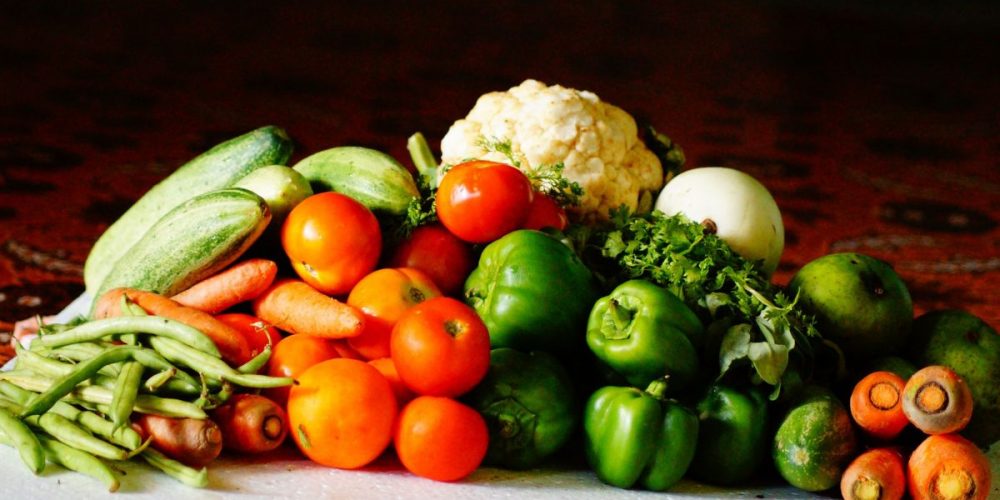
There’s a persistent myth that eating well costs more than eating poorly, and vegetables get blamed for a lot of that perception. But the actual data tells a different story. According to the USDA’s Economic Research Service, an adult on a 2,000-calorie diet can satisfy the recommended daily intake of fruits and vegetables for around $2 to $2.50 per day, accounting for both quantity and variety. That’s a genuinely low number, and it gets even lower once you know which specific vegetables deliver the most nutrition for the least money.
The trick is understanding that price per pound isn’t the whole story. A vegetable that looks cheap on the shelf can end up costing more per usable serving once you account for inedible parts like cores, peels, or cobs. The vegetables on this list earn their place not just because they’re inexpensive, but because they have a high yield of edible parts and genuinely strong nutritional value. This guide walks through them, with current pricing and the research behind why each one belongs in your weekly cart.
Potatoes: The Cheapest Vegetable You Can Buy
Potatoes consistently top every ranking of the most affordable vegetables available, and for good reason. Russet potatoes are an excellent source of nutrients and typically available for a reasonable price, and according to USDA pricing data, fresh potatoes have sold for as little as 31 cents per pound. Few other vegetables come close to that figure.
Beyond the price, potatoes are nutritionally underrated. They’re a solid source of potassium, vitamin C, and fiber (particularly when the skin is eaten), and they store for months in a cool, dark pantry without requiring refrigeration. The common criticism that potatoes are “just starch” overlooks the fact that a baked potato with the skin on provides meaningful amounts of several essential nutrients alongside its calories. The way potatoes are prepared matters more for health outcomes than the vegetable itself: a roasted or boiled potato is a different food, nutritionally speaking, from one that’s been deep-fried.
Carrots: High Nutrition at a Remarkably Low Price
Carrots are one of the best-value vegetables at any grocery store, with an average price of around $0.77 per pound. At that price point, carrots deliver an outsized nutritional return. Known for supporting eye health, carrots help boost the body’s defenses, may help prevent cognitive decline, and contain a wide range of antioxidants that combat free radical damage in the body.
Carrots are also one of the most genuinely versatile vegetables on this list. They work raw as a snack, roasted as a side dish, grated into salads and slaws, simmered into soups, and blended into sauces for added sweetness and body. Bought in bulk bags, the price per pound often drops even further, and carrots keep well in the refrigerator for several weeks, making them one of the lowest-waste vegetables available for regular meal planning.
Onions: A Flavor Powerhouse
Onions rarely get celebrated as a health food, but the research suggests they should be. At roughly $1.05 per pound, onions help moderate blood pressure, support collagen production, and may help protect against certain digestive cancers. For a vegetable that’s a foundational ingredient in an enormous number of dishes across nearly every cuisine, that price-to-benefit ratio is exceptional.
Practically speaking, onions are also one of the lowest-waste vegetables you can buy. Stored in a cool, dry, dark place away from potatoes (the two release gases that speed up each other’s spoilage when stored together), onions keep for weeks without refrigeration. A single onion goes a long way as a flavor base, which means the cost per use is even lower than the per-pound price suggests.
Broccoli: Exceptional Vitamin Content
Broccoli sits at an average price of around $1.92 per pound, and it delivers some of the strongest nutritional value of any vegetable on this list. It’s particularly rich in vitamin C, with just one cooked cup providing roughly 135% of the daily recommended intake, along with significant amounts of vitamin K and folate, both of which play important roles in blood clotting and cellular health.
Research has also pointed to broccoli’s role in reducing the risk of chronic illness over the long term, largely attributed to its antioxidant content. It’s a flexible vegetable that works raw in salads, roasted as a side dish, steamed alongside a protein, or added to soups and casseroles. Buying broccoli as whole heads rather than pre-cut florets is consistently cheaper per edible portion, since you’re not paying a premium for the trimming labor.
A useful comparison from USDA research illustrates why edible yield matters: fresh broccoli florets and fresh ears of sweet corn both sold for a similar price per pound at retail, but once you account for the inedible cob on corn, broccoli ends up costing roughly half as much per edible cup as corn does.
Cabbage: The Most Overlooked Bargain Vegetable
Cabbage rarely makes it onto people’s weekly shopping lists, but it consistently ranks among the cheapest and most nutritionally solid vegetables available at any grocery store. It’s high in vitamin C and vitamin K, contains a meaningful amount of fiber, and holds up exceptionally well in storage compared to more delicate leafy greens, often lasting two to three weeks in the refrigerator without significant quality loss.
Cabbage is also one of the most versatile vegetables for stretching a grocery budget across multiple meals. A single head can be shredded into slaws, braised as a side dish, added to soups and stews, or stir-fried with very little additional effort. Research comparing vegetables by price per pound has consistently identified cabbage as one of the best nutritional values available, alongside potatoes and cauliflower.
Sweet Potatoes: A Nutritional Standout
Sweet potatoes cost roughly $1.05 per pound and deliver one of the strongest nutrient profiles of any vegetable on this list. A single sweet potato provides an extraordinary 369% of the daily recommended intake of vitamin A, which plays a critical role in eye health, along with a solid dose of B vitamins, vitamin C, potassium, and fiber.
Research has also pointed to anti-inflammatory effects associated with regular sweet potato consumption, which may help lower the risk of chronic conditions including certain cancers and diabetes. From a cooking standpoint, sweet potatoes are about as flexible as it gets: they can be steamed, baked, roasted, or mashed, and they pair well with both savory and slightly sweet preparations, making them an easy vegetable to work into a weekly rotation without it feeling repetitive.
Tomatoes (Canned): Affordable, Nutritious, and Endlessly Useful
Fresh tomatoes vary significantly in price depending on the season, but canned tomatoes are reliably one of the most affordable and nutritious vegetable products available year-round, priced at approximately $0.91 per pound equivalent. Tomatoes are the most frequently consumed vegetable in the American diet in canned form, and that popularity is backed by genuine nutritional substance.
Canning actually concentrates certain nutrients in tomatoes, particularly lycopene, an antioxidant linked to a range of health benefits, meaning canned tomatoes are not a lesser nutritional choice compared to fresh. They form the base of pasta sauces, soups, stews, and braised dishes across dozens of cuisines, and a single can stretches across multiple servings at a cost that’s hard to match with any fresh vegetable purchase.
Spinach: A Leafy Green That Still Earns Its Place
Spinach costs more per pound than most vegetables on this list, averaging around $3.83 per pound for bagged spinach, but its nutritional density justifies the higher price relative to other leafy greens. Spinach is rich in vitamin K, which plays an important role in bone health and reducing the risk of heart disease, alongside meaningful amounts of vitamin A, vitamin C, folate, and manganese.
A 2021 study found that regular spinach consumption was associated with a lower risk of non-alcoholic fatty liver disease, and like other leafy greens, spinach contains plant compounds that help reduce inflammation and protect cells from damage. Buying frozen spinach rather than fresh bagged spinach brings the cost down considerably while preserving the nutritional value, since frozen vegetables are typically processed at peak ripeness and retain comparable nutrient levels to fresh.
Why Cost Per Edible Cup Matters More Than Cost Per Pound
One of the most useful things to understand when shopping for budget vegetables is that the price tag on the shelf doesn’t tell the whole story. Examining the cost per pound is useful for a general sense of value, but the actual edible yield of what you’re buying matters just as much. A vegetable that looks inexpensive per pound can end up costing considerably more once you account for parts that get thrown away.
The USDA’s own research illustrates this clearly. Fresh broccoli florets and fresh ears of sweet corn sold for a similar price per pound at retail, but after boiling and removing the inedible parts, sweet corn ended up costing almost twice as much per edible cup as broccoli, at roughly $1.17 versus $0.63. The same logic applies to vegetables like winter squash, where a thick skin and seed cavity reduce the usable portion, compared to something like cabbage or potatoes, where almost the entire vegetable is edible.
This is why potatoes, carrots, onions, cabbage, and cauliflower consistently appear at the top of value rankings. They combine a low price per pound with a very high percentage of edible yield, which means the actual cost of what ends up on your plate is even lower than the shelf price suggests.
Practical Tips for Stretching Your Vegetable Budget Further
Beyond simply choosing the right vegetables, a few consistent habits make a meaningful difference in how far your produce budget goes. Buying vegetables whole rather than pre-cut consistently saves money, since the convenience of pre-washed, pre-chopped produce comes with a price premium that often runs significantly higher per pound for the same vegetable in its unprocessed form.
Shopping seasonally also makes a real difference. Vegetables cost less when they’re in season locally, both because supply is higher and because transportation costs are lower. A vegetable that’s expensive in winter can be a genuine bargain at the height of its growing season.
Frozen vegetables deserve more credit than they typically get in budget cooking conversations. They’re nutritionally comparable to fresh in most cases, often cheaper per serving, and have a dramatically longer shelf life that virtually eliminates food waste. For vegetables like spinach, broccoli, and green beans, keeping a frozen backup alongside fresh purchases is one of the simplest ways to stretch a produce budget without sacrificing nutrition.
The Bottom Line
Eating a genuinely healthy, vegetable-rich diet does not require a large grocery budget. Potatoes, carrots, onions, cabbage, broccoli, sweet potatoes, canned tomatoes, and spinach collectively cover an enormous range of nutrients, from vitamin C and vitamin K to potassium, fiber, and antioxidants, all at prices that rank among the lowest in the produce section. Building a weekly shopping list around these vegetables, paying attention to edible yield rather than just sticker price, and supplementing with frozen options when it makes sense is a sustainable, research-backed way to eat well without overspending.
The data from the USDA makes the broader point clearly: meeting recommended fruit and vegetable intake costs a few dollars a day, not a few dollars a meal. The vegetables that get you there affordably are, in many cases, already sitting in the cheapest corner of the produce aisle.