The first two weeks of keto are the most important, and the most unforgiving. This is the window where your body is making a fundamental shift away from burning glucose for fuel and learning to run on fat and ketones instead. It’s also the window where most people quietly make a handful of avoidable mistakes that stall their progress, make them feel terrible, and eventually convince them that keto “just doesn’t work for me.”
It does work. But it requires more than simply cutting carbs and hoping for the best. The details matter here, especially in those early days, and the difference between someone who sails through the adaptation period and someone who quits by day ten is almost always down to a few specific, fixable errors.
This guide covers the most common keto mistakes beginners make in the first two weeks, why each one happens, and exactly what to do to correct course quickly.
Mistake 1: Not Eating Enough Fat
This is the single most common mistake new keto dieters make, and it’s deeply understandable. Decades of low-fat dietary messaging have left most people with a genuine fear of eating fat in significant quantities. So they cut their carbs diligently, eat plenty of protein, but keep their fat intake modest, and then wonder why they feel exhausted, constantly hungry, and aren’t losing weight.
On keto, fat is your primary fuel source. It replaces the role that carbohydrates played in your previous diet, which means it needs to make up a substantial portion of your daily calories, roughly 70 to 80 percent. For someone eating 2,000 calories a day, that works out to approximately 155 to 175 grams of fat daily. That’s a lot more than most beginners are eating.
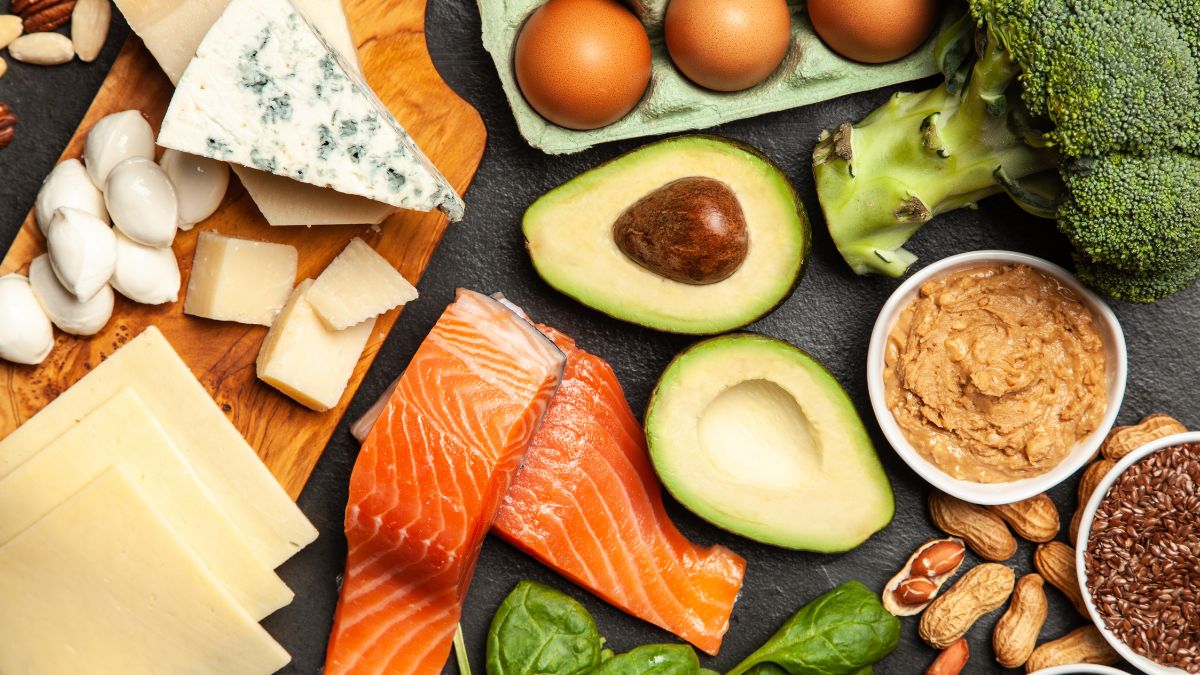
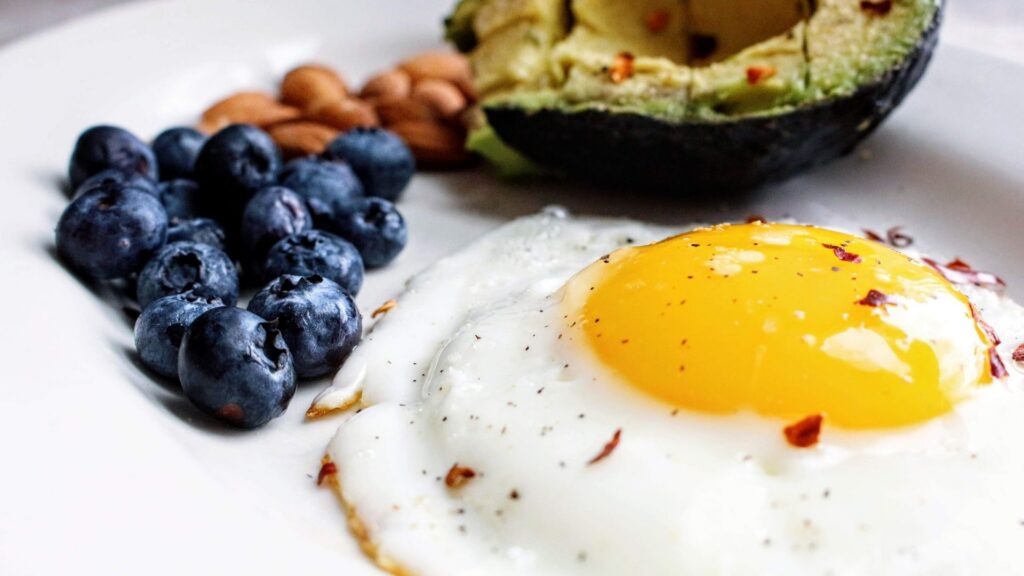
The fix: Stop treating fat as the enemy and start treating it as the macronutrient your body now runs on. Add avocado, olive oil, fatty cuts of meat, full-fat dairy, and nuts to your meals. If you’re still hungry between meals or feeling persistently low-energy in the first week, the answer is almost always more fat, not less.
Mistake 2: Ignoring Electrolytes
If you’ve heard the term “keto flu” and written it off as an inevitable rite of passage, here’s something worth knowing: for most people, it’s entirely preventable. The headaches, fatigue, muscle cramps, brain fog, and general feeling of being unwell that hit in the first week aren’t just your body adjusting to a new diet. They’re primarily the result of electrolyte depletion.
Here’s why it happens. When you drastically reduce carbohydrate intake, your insulin levels drop. Lower insulin signals your kidneys to release sodium, and when sodium is flushed out, water follows, along with potassium and magnesium. This rapid mineral loss is what produces most of the symptoms people associate with the keto flu. Research suggests that the majority of new keto dieters experience headaches, dizziness, and irritability during their first week, and electrolyte imbalance is the primary cause.
The fix: Supplement your electrolytes proactively rather than waiting until you feel terrible. Add extra salt to your food and consider a pinch of salt in your water. Eat potassium-rich keto foods like avocado, leafy greens, and salmon. Supplement magnesium, which is particularly important for preventing the nighttime leg cramps that plague many beginners. An unsweetened electrolyte drink can also help you maintain balance throughout the day without throwing off your macros.
Mistake 3: Eating Too Much Protein
This one surprises people. Keto is often lumped in with high-protein diets like Atkins, but the two are distinct in an important way: keto is a high-fat, moderate-protein diet. Protein is not unlimited on keto, and eating too much of it can genuinely prevent you from entering or maintaining ketosis.
The reason comes down to a process called gluconeogenesis. When you consume protein in excess, your body converts the surplus amino acids into glucose. That glucose raises blood sugar, raises insulin, and effectively pulls you back out of the fat-burning state you’re working to achieve. For most people, keeping protein intake to roughly 1.2 to 1.7 grams per kilogram of body weight per day is the right range, enough to preserve muscle, not so much that it interferes with ketosis.
The fix: Track your protein intake for at least the first two weeks to calibrate your actual consumption against your targets. Many beginners significantly overestimate how much protein they need, particularly if they’re loading up on chicken breast and lean cuts of meat. Swapping some of that protein for fattier alternatives, salmon over tuna, chicken thighs over chicken breast, ribeye over sirloin, naturally brings your macros into better balance.
Mistake 4: Not Tracking Hidden Carbs
You’ve cut out bread, pasta, rice, and sugar. You’re eating eggs for breakfast, a salad for lunch, and grilled chicken for dinner. And yet you’re not losing weight, you feel sluggish, and you can’t figure out why. The answer is almost always hiding in the details.
Carbohydrates turn up in places most people never think to check. Salad dressings, condiments like ketchup and barbecue sauce, protein bars marketed as “low carb,” flavoured yoghurts, certain nuts eaten in excess, milk added to coffee multiple times a day, and virtually any packaged or processed food with a long ingredients list can all contain enough carbohydrates to quietly push you over your daily limit. Many people struggle because they overestimate their carb awareness while underestimating their actual consumption.
The fix: Use a food tracking app like Cronometer or Carb Manager for at least the first two weeks, and log everything, including condiments, drinks, and small snacks. Pay attention to net carbs (total carbohydrates minus fibre) rather than total carbohydrates, and always read the label on anything that comes in a packet. Once you’ve developed an intuitive sense of where carbs are hiding, you can ease up on the tracking.
Mistake 5: Relying on Processed “Keto” Products
The market for keto-labelled foods has exploded, and while some of these products are genuinely useful, a lot of them are not. Keto bread, keto bars, keto cookies, keto ice cream, many of these products contain sugar alcohols, artificial sweeteners, and fillers that either spike blood sugar in sensitive individuals or contain enough hidden carbohydrates to disrupt ketosis entirely.
Beyond the carb issue, leaning too heavily on processed meats and packaged foods as the foundation of your diet can promote inflammation and crowd out the whole foods your body actually needs to function well. Keto done well is built on real food: eggs, meat, fish, leafy greens, nuts, seeds, avocado, and quality fats. Processed products are a convenience, not a foundation.
The fix: Build your meals around whole, single-ingredient foods as much as possible, especially in the first two weeks while your body is adapting. Reserve keto-labelled packaged foods for occasional convenience rather than everyday staples, and always check the label for total carb content and ingredient quality before buying.
Mistake 6: Neglecting Fibre and Vegetables
Cutting carbs doesn’t mean cutting vegetables, but many beginners interpret it that way. The result is a diet that’s heavy on fat and protein but dangerously low in fibre, which leads to one of the most universally complained-about side effects of early keto: constipation. Studies suggest that constipation affects a significant proportion of keto beginners within the first two weeks, largely because most new keto eaters get far less than the recommended daily fibre intake.
The good news is that there’s a wide range of low-carb vegetables that are entirely compatible with keto and provide the fibre, micronutrients, and variety your body needs. Spinach, kale, courgette, broccoli, cauliflower, cucumber, celery, asparagus, and bell peppers are all keto-friendly and should be appearing on your plate every day.
The fix: Aim to include at least two to three servings of non-starchy vegetables in your daily meals. If constipation is already an issue, add a tablespoon of chia seeds to your morning routine (they provide around 10 grams of fibre per two tablespoons and are entirely keto-compatible) and make sure your water intake is adequate. Dehydration compounds digestive sluggishness considerably.
Mistake 7: Expecting the Scale to Be Your Only Measure of Progress
The first week or two of keto often produces a dramatic drop on the scale, sometimes 2 to 4 kilograms in the first seven days. This feels incredibly motivating right up until it slows down sharply in week two or three, which it will. Most of that initial loss is water weight, not fat, and many beginners interpret the inevitable slowdown as the diet failing them.
Weight can fluctuate significantly from day to day on any diet, and letting a couple of unfavourable readings dictate your mindset and decisions is one of the most psychologically damaging mistakes you can make in the early stages. Fat loss takes longer to show up on the scale than water loss does, and fixating on daily weigh-ins during the adaptation period is a reliable way to talk yourself out of a diet that’s actually working.
The fix: Weigh yourself no more than once a week, ideally at the same time of day and under the same conditions. Better still, supplement the scale with other measures of progress: how your clothes fit, your energy levels throughout the day, your mental clarity, your hunger patterns, and how you’re sleeping. These are all meaningful indicators that the metabolic shift is happening, even when the number on the scale isn’t moving as fast as you’d like.
Mistake 8: Not Drinking Enough Water
This one is simple and easy to overlook. Because keto has a pronounced diuretic effect, your body is releasing water along with those electrolytes. Your hydration needs in the first two weeks are significantly higher than they were before. Many beginners don’t adjust their water intake accordingly, which compounds the headaches, fatigue, and constipation they’re already experiencing from the adaptation process.
A useful rule of thumb for keto beginners is to aim for at least two to three litres of water per day, and to drink proactively rather than waiting until you’re thirsty. By the time thirst kicks in, you’re already behind on hydration.
The fix: Keep a water bottle with you throughout the day and set a habit of drinking a full glass first thing in the morning before coffee or food. If plain water feels unappealing, add a squeeze of lemon juice or a few slices of cucumber. Both are keto-friendly and make it considerably easier to hit your daily target.
The Bottom Line
The first two weeks of keto are genuinely the hardest part of the diet. Your body is undertaking a significant metabolic transition, and the discomfort many people feel during that window is real. But the vast majority of that discomfort is avoidable when you go in prepared, eat enough fat, manage your electrolytes, track what you’re actually eating, and give your body the time and the nutrients it needs to adapt.
Most people who quit keto in the first two weeks don’t quit because the diet doesn’t work. They quit because they hit a wall that better preparation would have helped them walk straight through. Get the fundamentals right from day one, and those first two weeks become the launchpad rather than the obstacle.
Ready to Take Your Keto Cooking Further?
Avoiding mistakes is only half the battle, the other half is cooking keto food that actually tastes great. The Ultimate Cooking Bundle gives you expert-crafted recipes and techniques built specifically for keto. It comes with lifetime access and a 30-day money-back guarantee, so there’s nothing to lose.