There are few things more disappointing in the kitchen than pulling out a beautiful cut of steak, only to wonder whether it’s still safe to cook. Maybe you bought it a few days ago with every intention of grilling it that weekend, but life got in the way. Now you’re standing in front of your fridge, sniffing the package and second-guessing yourself. Sound familiar?
The good news is that understanding how long raw steak lasts in the fridge doesn’t require a food science degree. With a few key guidelines from food safety experts and a bit of practical know-how, you can confidently store your beef, reduce waste, and most importantly, keep yourself and your family safe.
How Long Does Raw Steak Last in the Fridge?
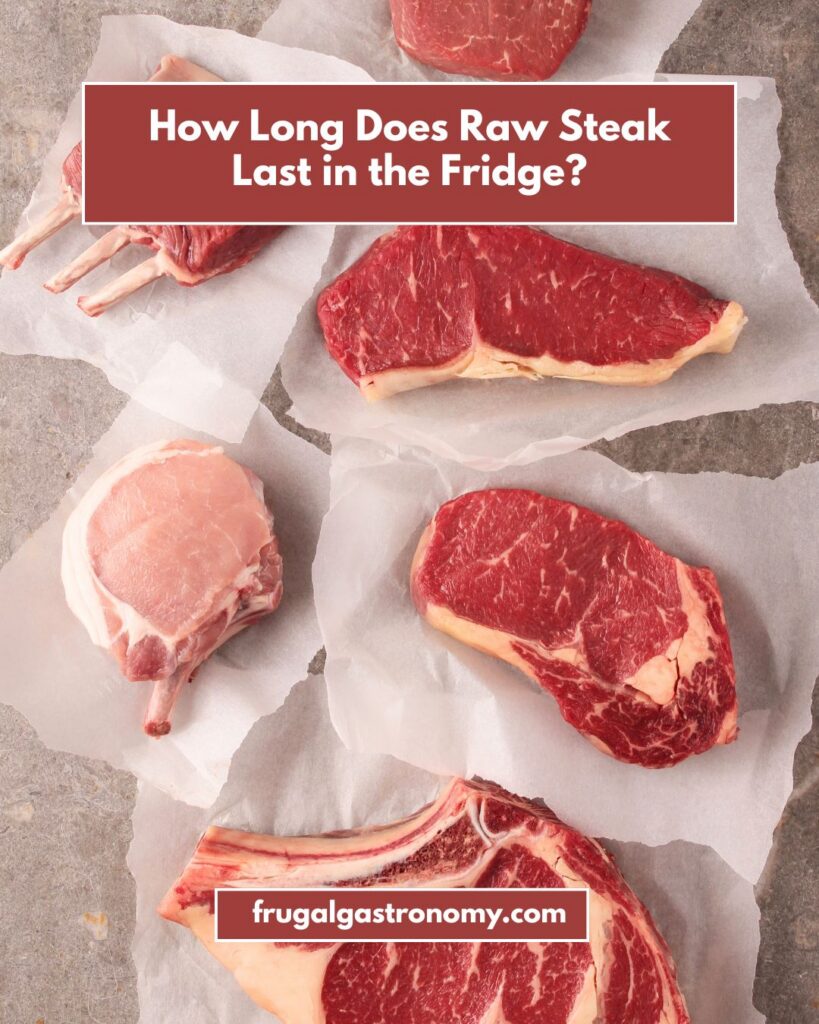
According to the USDA Food Safety and Inspection Service, raw steak, whether it’s a ribeye, sirloin, New York strip, or T-bone, is safe to keep in the refrigerator for 3 to 5 days after purchase. This applies to most whole cuts of beef. Ground beef and stew meat, on the other hand, are a different story: those should be used within 1 to 2 days due to the greater surface area exposed during processing, which accelerates bacterial growth.
These guidelines assume your refrigerator is running at a consistent temperature of 40°F (4°C) or below, which is the threshold at which bacterial growth slows significantly. The moment your fridge temperature creeps above that, the clock starts ticking faster.
Why the Cut of Steak Matters
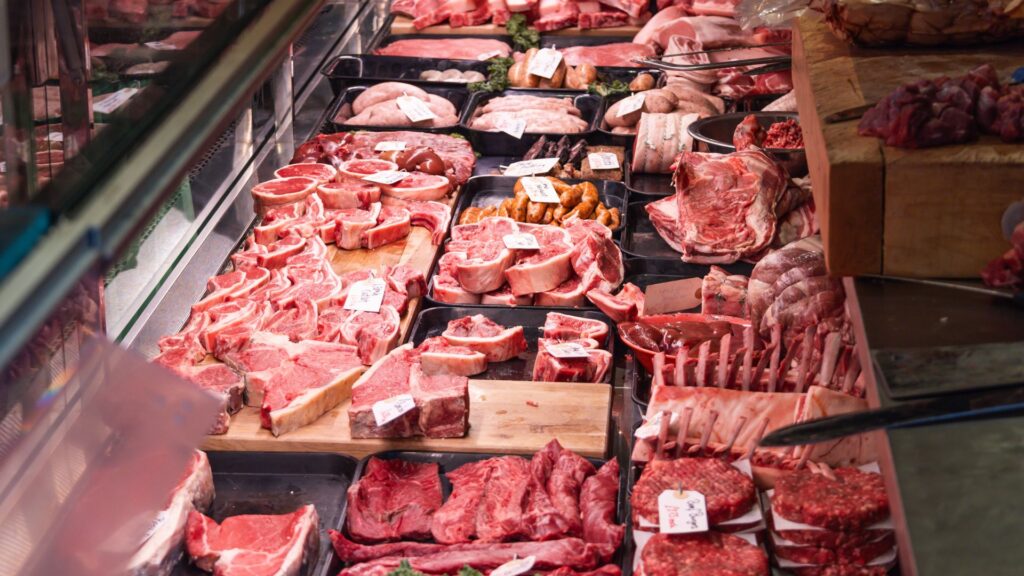
Not all steaks age the same way in your fridge, and understanding why helps you make smarter decisions at the grocery store and beyond.
Whole muscle cuts like ribeyes, strip steaks, and tenderloin filets have a relatively small amount of exposed surface area. This matters because bacteria predominantly multiply on the surface of meat rather than deep within the muscle tissue. The less surface exposure, the slower the spoilage process. This is why professional dry-aging works, the controlled environment and the minimal handling of intact cuts allow butchers to age beef safely for weeks, even months, under very specific conditions.
Mechanically tenderized steaks, those that have been run through needles or blades to break down muscle fibers (often labeled as “blade tenderized” in supermarkets), are actually riskier than they appear. The tenderizing process pushes surface bacteria deeper into the meat, which means these cuts should be treated more like ground beef and consumed within 1 to 2 days, or cooked to a safe internal temperature of at least 160°F all the way through.
Marinated steaks occupy a grey area. If you’ve already submerged your steak in a marinade, it can safely stay in the fridge for up to 5 days, and the acidic components (vinegar, citrus, wine) in many marinades can even slow bacterial growth slightly. Just make sure the steak is in a sealed container and fully submerged.
How to Store Raw Steak Properly
Proper storage is just as important as the timeline itself. A steak stored correctly at day five is often safer than a poorly stored steak at day two.
The first thing to know is that the original supermarket packaging, the foam tray covered in plastic wrap, is fine for a day or two. But, it isn’t ideal for extended storage. That packaging traps moisture and allows pooling liquid to sit against the meat, which accelerates spoilage. For anything you plan to keep beyond 48 hours, transfer the steak to a zip-lock bag (removing as much air as possible) or vacuum-seal it if you have the equipment.
Store raw steak on the lowest shelf of your refrigerator, ideally in a tray or container to catch any drips. This prevents cross-contamination — raw meat juices dripping onto other foods below is one of the most common causes of foodborne illness in home kitchens. The back of the refrigerator also tends to be colder and more consistent in temperature than the door or front shelves, so tuck your steak toward the rear.
If you’re not going to use your steak within the 3 to 5 day window, freeze it. When wrapped tightly in plastic wrap and then placed in a freezer bag (double-wrapping minimizes freezer burn), raw steak can maintain quality for up to 12 months in the freezer, though it’s best consumed within 6 months for optimal flavor and texture.
Signs That Raw Steak Has Gone Bad
Knowing the timeline is helpful, but your senses are your final line of defense. Here’s what to look for:
- Smell: Fresh raw steak has a mild, slightly metallic scent. If your steak smells sour, ammonia-like, or has any strong unpleasant odor, that’s a definitive sign of spoilage. Trust your nose, it’s remarkably reliable when it comes to detecting bacterial activity in meat.
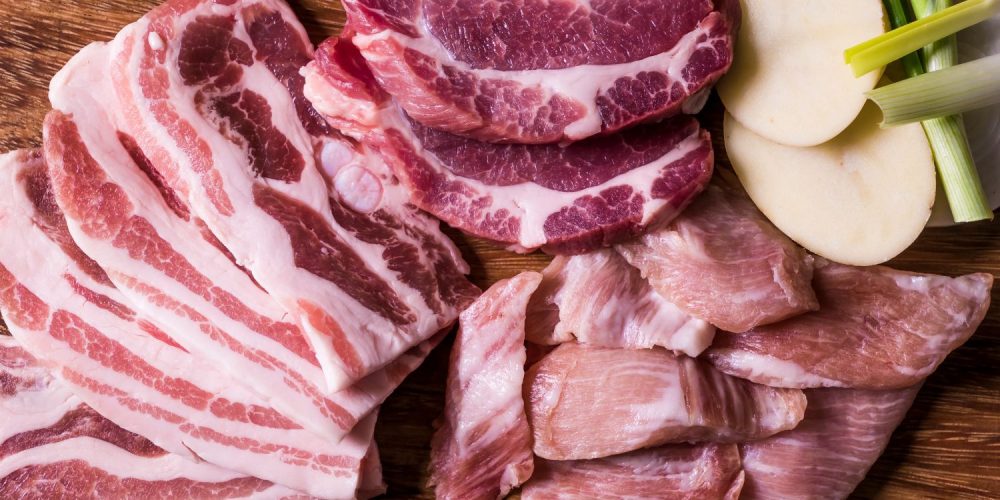
- Color: Raw beef is naturally a purplish-red when first cut, then brightens to a cherry red when exposed to oxygen (a process called blooming). A brownish tinge on its own isn’t necessarily a red flag, this happens when the meat hasn’t had enough oxygen exposure. However, if the brown color is paired with sliminess or an off smell, discard it immediately.
- Texture: Fresh steak feels firm and slightly moist to the touch. A slimy or tacky surface film, even if the smell seems fine, is a strong indicator that bacterial activity has taken hold. Rinse the steak and if the sliminess persists, throw it out.
One important caution: the phrase “when in doubt, throw it out” exists for very good reason. Harmful bacteria like Salmonella, E. coli O157:H7, and Listeria are odorless and tasteless in their early stages of growth. By the time spoilage becomes obvious, pathogen levels may already be dangerously high. Don’t take risks with meat safety.
Refrigerator Temperature: The Variable Most People Ignore
It’s worth pausing on one of the most overlooked factors in meat storage: your refrigerator’s actual temperature. Many home fridges run warmer than their owners realize, especially older models or those that are frequently opened throughout the day. A refrigerator that’s running at 45°F instead of 38°F can dramatically cut down the safe storage window for raw steak, from 5 days to as few as 2 or 3.
Investing in a small refrigerator thermometer (they cost just a few dollars) is one of the smartest and cheapest food safety upgrades you can make. Place it on the middle shelf toward the back, check it periodically, and adjust your fridge settings accordingly. The USDA recommends keeping your refrigerator at or below 40°F and your freezer at 0°F.
What About Store-Bought Vacuum-Sealed Steak?
If you’ve purchased a steak that’s vacuum-sealed at the butcher or directly from a meat distributor, the rules shift slightly. Vacuum sealing removes the oxygen that most spoilage bacteria need to thrive, which significantly extends shelf life. Commercially vacuum-sealed raw beef can last up to 2 weeks in the refrigerator, but once you break the seal, the 3 to 5 day rule kicks back in immediately.
Some vacuum-sealed beef will have a strong smell when first opened. This is perfectly normal and is caused by a buildup of natural compounds during the oxygen-free storage period. Give the steak a few minutes to air out; if the smell dissipates, the meat is fine. If it lingers or intensifies, return it or discard it.
The Freezer as Your Best Friend
One of the best habits a home cook can develop is buying steak in bulk when it’s on sale and freezing portions you won’t use within a few days. It’s frugal, practical, and, when done correctly, produces results that are barely distinguishable from fresh.
The key to a well-frozen steak is minimizing freezer burn, which is caused by ice crystals forming on the surface due to air exposure. To freeze steak properly, wrap each piece tightly in plastic wrap first, then place it in a zip-lock freezer bag and squeeze out all the air before sealing. Label your bags with the date so you always know what’s been in there the longest.
When it comes time to thaw, always do it in the refrigerator overnight rather than on the counter. Thawing at room temperature allows the outer layers to reach temperatures where bacteria multiply rapidly while the center is still frozen. Refrigerator thawing keeps the entire steak within the safe temperature zone throughout the process.
A Practical Timeline Summary
To put everything together in a clear, usable way:
- Whole cuts (ribeye, sirloin, T-bone, etc.): 3 to 5 days refrigerated, up to 12 months frozen.
- Ground beef and stew meat: 1 to 2 days refrigerated, 3 to 4 months frozen for best quality.
- Marinated steak: Up to 5 days refrigerated in a sealed container.
- Commercially vacuum-sealed (unopened): Up to 2 weeks refrigerated; follow 3 to 5 day rule once opened.
- Mechanically tenderized steak: 1 to 2 days refrigerated; cook to 160°F throughout.
The Bottom Line
Raw steak is one of those ingredients where a little knowledge goes a long way. The 3 to 5 day guideline for whole cuts is your reliable baseline, but smart storage habits, a properly calibrated refrigerator, and knowing how to read the signs of spoilage are what truly keep your kitchen safe and your meals worry-free.
Buying quality beef is only half the equation, how you store and handle it the rest of the way is what determines whether that steak becomes a memorable dinner or an expensive trip to the bin. When in doubt, freeze it early rather than letting it linger at the back of the fridge hoping for the best. Your future self, and your stomach, will thank you.