A well-stocked pantry is the difference between a home cook who can pull a nourishing meal together on a Tuesday night with whatever’s in the house, and one who either orders takeout or stands in front of the open fridge feeling defeated. The gap between those two outcomes isn’t talent or time. It’s what’s on the shelves.
We’ve rounded up the pantry essentials we recommend making part of your regular grocery runs. The ingredients on this list share three qualities: they’re affordable, they’re nutritionally valuable, and they’re genuinely versatile across a wide range of cooking styles and meals. None of them require a specialty grocery store or a large upfront investment. Most can be found at any mainstream supermarket for well under what you’d spend on a single restaurant meal. Stocked together, these form the backbone of weeks of healthy, varied, home-cooked food without the kind of grocery bill that makes you wince at checkout.
This guide is organized by category so you can work through your pantry systematically, identify what’s missing, and build from there.
Whole Grains and Starches
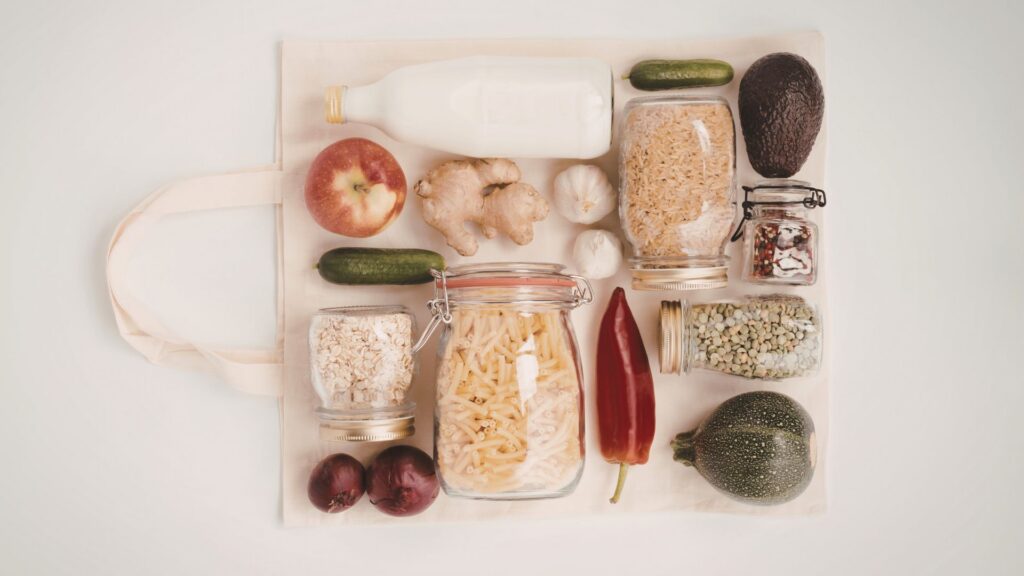
These are the foundation of budget healthy cooking. They’re calorie-dense, satisfying, rich in fiber, and cheap per serving by almost any measure.
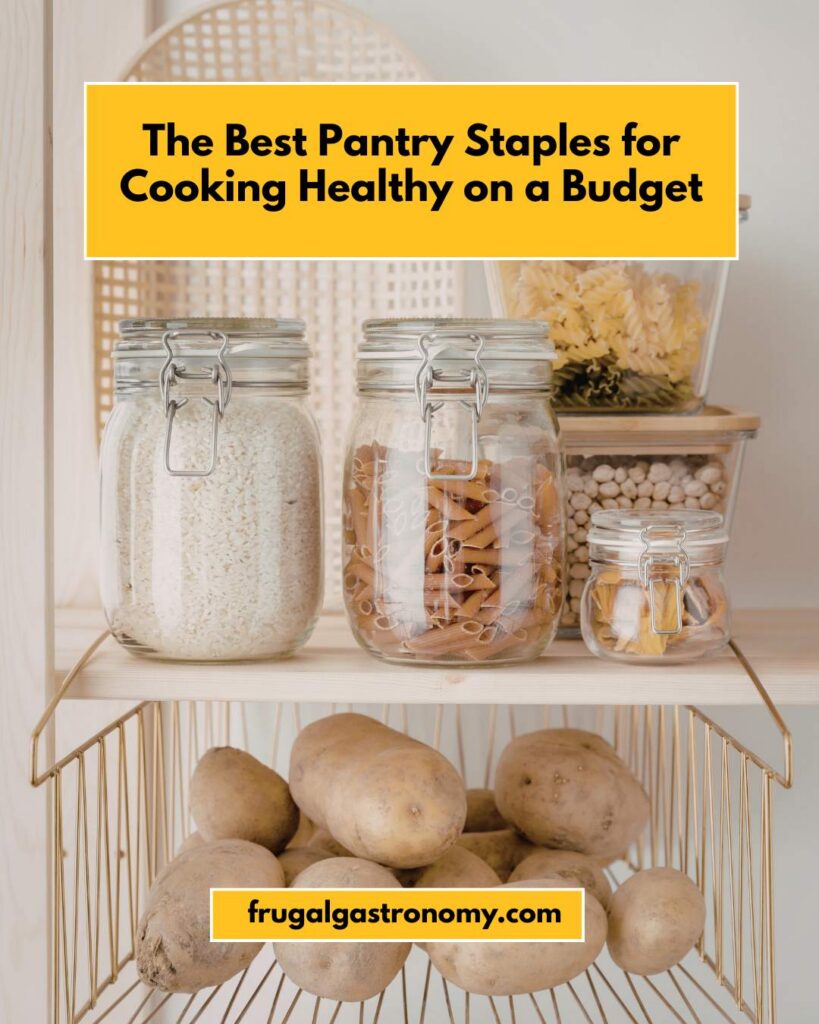
Brown Rice is one of the best staples you can keep in a pantry. A large bag costs roughly 10 to 20 cents per serving and, stored properly in a sealed container, lasts for months on the shelf. Brown rice provides more fiber and magnesium than white rice and serves as the base for an enormous range of meals: grain bowls, stir-fries, fried rice, side dishes, rice and bean combinations, and one-pot recipes like arroz con pollo or jambalaya. Cooking a large batch at the start of the week and refrigerating it dramatically reduces the time investment on weeknights.
Rolled Oats are among the most underrated pantry staples in a healthy budget kitchen. They’re high in soluble fiber, which supports healthy cholesterol levels and keeps you full well into the morning, and they cost a fraction of most other breakfast options per serving. Beyond oatmeal, rolled oats work as a binder in meatballs and meatloaf, can be blended into flour for baking, and serve as the base for homemade granola. Buy them in the largest bag available and store in an airtight container. The nutritional difference between steel-cut, rolled, and quick oats is minimal, but rolled oats are the most versatile across different applications.
Whole Wheat Pasta provides more fiber and protein per serving than refined pasta and costs roughly the same at most grocery stores. A one-pound box typically costs $1.50 to $2.50 and provides four to six servings, making it one of the cheapest complete meal bases available. Its neutral flavor works with a range of sauces from basic marinara to olive oil and garlic to white bean and greens. Buying store-brand whole wheat pasta brings the cost down further without any meaningful difference in quality.
Dried Lentils deserve their own mention even though they sit alongside beans in the legume category, because their cooking convenience sets them apart. Unlike most dried legumes, lentils require no soaking and cook in 20 to 30 minutes. They’re also nutritionally exceptional: high in protein, fiber, iron, and folate. Red lentils break down completely during cooking to create thick, creamy soups and curries. Green and brown lentils hold their shape and work in salads, stews, and grain dishes. A one-pound bag provides approximately 100 grams of protein and costs under $2.50, making them one of the best-value foods available at any grocery store.
Cornmeal and Polenta round out the grain category as affordable, versatile starches that most home cooks overlook. Coarse cornmeal makes a simple, satisfying side dish of polenta that can be served soft alongside braised proteins or allowed to firm up and sliced into cakes for pan-frying the next day. Fine cornmeal produces excellent cornbread, works as a coating for baked fish or vegetables, and adds a light crunch to crusts. A bag costs very little and lasts for months.
Legumes and Plant Protein
Beans and lentils are the budget cook’s most reliable protein source. They’re inexpensive, shelf-stable, nutritionally complete when paired with a grain, and work across more cuisines than almost any other single ingredient.
Canned and Dried Beans deserve a permanent place in every pantry across multiple varieties. Black beans, chickpeas, kidney beans, cannellini beans, and pinto beans each bring slightly different textures and flavor profiles that work across different cooking styles. Dried beans are the better value per gram of protein, but canned beans offer convenience that has real worth: a can of black beans opens and is ready to eat in seconds, with no planning required. Keeping both on hand lets you use canned beans for quick weeknight meals and dried beans for soups, stews, and dishes where you’re cooking ahead. A can of beans costs around $0.80 to $1.50 and provides around 20 to 25 grams of protein, making it one of the cheapest protein additions available for any meal.
Peanut Butter is a high-protein, calorie-dense staple that costs roughly $3 to $4 for a 16-ounce jar and keeps in the pantry for months. Look for store-brand natural versions with just two ingredients: peanuts and salt. It works as a quick protein source on whole grain bread, as the base of Asian-inspired noodle sauces, stirred into oatmeal, blended into smoothies, or eaten straight when you need something fast and filling. The protein and healthy fat combination makes it one of the most satisfying budget foods available when time or appetite is limited.
Canned and Jarred Goods
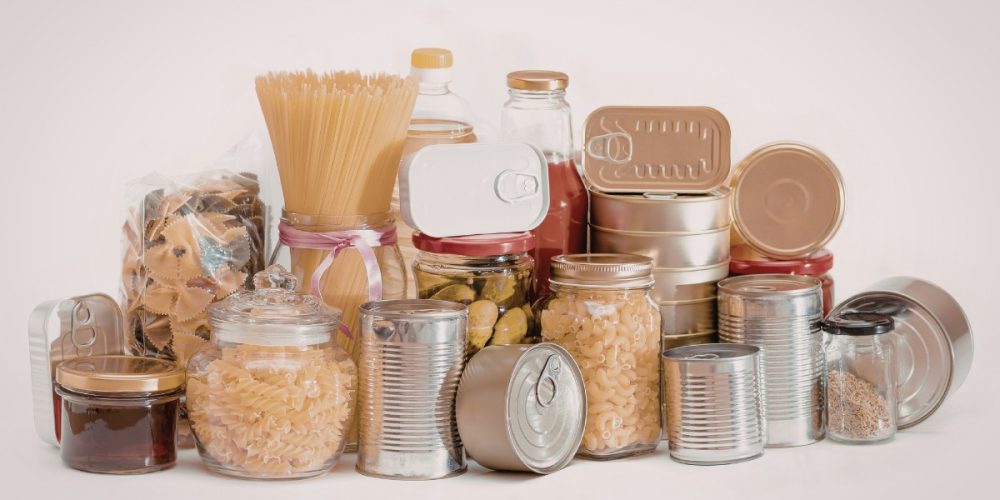
The canned goods aisle is one of the most efficient places in any grocery store for budget healthy cooking. Canned products are nutritionally comparable to fresh equivalents, have a shelf life measured in years, and eliminate the food waste that comes with fresh produce sitting unused in the refrigerator.
Canned Tomatoes are probably the single most versatile ingredient in the entire pantry category. A can of whole peeled tomatoes, diced tomatoes, or crushed tomatoes forms the base of pasta sauces, soups, stews, curries, shakshuka, and braised dishes across dozens of cuisines. They cost around $1.00 to $2.00 per can, are nutritionally comparable to fresh tomatoes (and in some respects better, since canning concentrates lycopene), and make from-scratch tomato sauce achievable in 20 minutes on any weeknight.
Canned Fish is one of the most nutritionally concentrated budget foods available. Canned tuna in water delivers 25 to 30 grams of protein per can for roughly $1.00 to $1.50. Canned salmon provides comparable protein with the added benefit of omega-3 fatty acids and calcium from the soft, edible bones. Sardines packed in olive oil are nutritionally exceptional, providing omega-3s, vitamin D, and calcium alongside their protein content. All three have a shelf life of two or more years, require zero preparation, and work in salads, pasta dishes, sandwiches, rice bowls, and countless other applications.
Coconut Milk sits in the less obvious corner of the pantry staples category but pulls serious weight in budget healthy cooking. A can of full-fat coconut milk costs around $1.50 to $2.50 and forms the base of Thai-inspired curries, lentil dishes, soups, and grain preparations that feel rich and restaurant-worthy without any expensive additions. It pairs particularly well with legumes and vegetables, making it a natural companion to many of the other ingredients on this list.
Canned Chickpeas deserve a specific callout beyond the general beans category because of their sheer versatility. They can be roasted with olive oil and spices for a crunchy protein-rich snack, blended into hummus, added to soups and stews, folded into grain salads, or pan-fried with garlic and greens for a 10-minute dinner. At roughly $1.00 to $1.50 per can, few ingredients deliver this range of applications at this price point.
Healthy Fats and Oils
Fat is an essential macronutrient and a crucial element of flavor in home cooking. The right cooking fats are indispensable, and the wrong choice can undermine both the health value and the taste of everything you cook in them.
Extra Virgin Olive Oil is the workhorse cooking fat of any health-conscious kitchen. It’s high in monounsaturated fats, associated with cardiovascular benefits in well-established nutritional research, and adds a depth of flavor to cooked and raw applications that vegetable or canola oil simply cannot match. Buy the largest bottle your budget allows and look for store-brand options, which are significantly cheaper than premium branded bottles with no meaningful quality difference for everyday cooking.
Avocado Oil is worth keeping alongside olive oil for high-heat cooking. Its smoke point is substantially higher than olive oil’s, making it the better choice for searing, roasting at high temperatures, and stir-frying. A bottle costs more per ounce than olive oil but a little goes a long way, and using the right oil for the right application consistently produces better results.
As much as possible, avoid stocking vegetable oil, canola oil, or other refined seed oils as your primary cooking fat. They are high in omega-6 fatty acids and prone to oxidation at cooking temperatures, which creates compounds that nutritional research increasingly treats with concern.
Flavor Builders: Aromatics and Condiments
A pantry of good staple ingredients only delivers on its potential if you have the tools to make them taste genuinely good. Flavor builders are what separate nourishing and delicious from nourishing and bland.
Garlic is the most impactful single flavor ingredient in budget healthy cooking. Fresh garlic is inexpensive, keeps for weeks, and transforms the flavor of virtually any savory dish it goes into. Garlic powder is a useful backup when fresh isn’t available, and roasted garlic adds a sweeter, mellower dimension to soups, spreads, and sauces. If you regularly cook from pantry staples, always have garlic on hand.
Soy Sauce or Tamari adds savory depth and umami to stir-fries, marinades, noodle dishes, grain bowls, and soups. A bottle lasts for months in the refrigerator and costs a few dollars. Low-sodium versions give you the same flavor with more control over salt levels in your cooking.
Apple Cider Vinegar is a useful acid for balancing flavors in dressings, marinades, slaws, and braises. Acidity is one of the most underused tools in home cooking, and a splash of vinegar added at the end of a dish brightens and sharpens the other flavors in a way that is more noticeable than most cooks expect the first time they try it.
Canned or Jarred Tomato Paste is worth distinguishing from canned tomatoes because it serves a different purpose. Tomato paste concentrates the rich, umami-forward character of tomatoes into a format that can be added by the tablespoon to build depth in soups, stews, meat dishes, and sauces. A small can costs under $1.00 and keeps in the refrigerator for weeks once opened.
Herbs, Spices, and Dried Seasonings
A modest investment in a core set of dried herbs and spices is one of the most cost-effective things you can do for the quality of your home cooking. The same pantry ingredients taste dramatically different depending on how they’re seasoned, and a well-stocked spice shelf eliminates the repetitiveness that makes cooking from budget staples feel limiting.
The essentials to prioritize are: kosher salt and black pepper as the non-negotiable foundation; garlic powder and onion powder for quick flavor depth without fresh aromatics; smoked paprika, which adds complexity and subtle smokiness to rice dishes, roasted vegetables, and proteins; cumin, which is essential for Mexican, Middle Eastern, and Indian-inspired cooking; dried chili flakes for adjustable heat across a wide range of dishes; Italian seasoning for pasta, tomato sauces, and roasted vegetables; and ground coriander, which pairs well with legumes and adds a clean, citrusy note to curries and soups.
Buying spices from the bulk bins at grocery stores where available, or from discount grocery stores rather than premium brand jars, reduces the cost considerably. The product inside a $1.50 bulk bin bag and a $6.00 branded jar is often identical.
The Refrigerator Staples Worth Treating Like Pantry Items
A few refrigerated items are used so consistently in budget healthy cooking that they function as pantry staples despite not living on a shelf.
Eggs are the most nutritionally complete, versatile, and affordable protein available. A dozen eggs costs $3 to $4 at current prices and provides 72 grams of complete, highly bioavailable protein with a full complement of vitamins and healthy fats. They work at every meal, in every cuisine, with almost every other ingredient on this list.
Butter plays a crucial role in flavor and cooking performance that no cheaper substitute fully replicates. Unsalted butter allows you to control salt levels in cooking. A small amount of butter added to finished rice dishes, pasta sauces, or sauteed vegetables adds richness and rounds out sharp or acidic flavors in a way that makes simple dishes taste considerably more considered.
Full-Fat Plain Yogurt serves as a condiment, a marinade base, a sauce component, and a breakfast protein source. It works as a substitute for sour cream and cream in many recipes, adds protein and probiotics to smoothies, and pairs well with spiced grain and legume dishes across Middle Eastern and South Asian cooking traditions. Buying the largest tub of store-brand full-fat plain yogurt available delivers the best value per gram of protein in this category.
Quick Reference: The Core Budget Healthy Pantry List
Whole Grains and Starches: Brown rice, rolled oats, whole wheat pasta, dried lentils, cornmeal
Legumes: Canned and dried beans (black, chickpea, kidney, cannellini), peanut butter
Canned Goods: Canned tomatoes (whole, diced, crushed), canned tuna, canned salmon, sardines in olive oil, coconut milk, tomato paste
Fats and Oils: Extra virgin olive oil, avocado oil
Flavor Builders: Fresh garlic, soy sauce or tamari, apple cider vinegar, hot sauce, mustard
Herbs and Spices: Kosher salt, black pepper, garlic powder, onion powder, smoked paprika, cumin, chili flakes, Italian seasoning, ground coriander
Refrigerator Staples: Eggs, unsalted butter, full-fat plain yogurt
The Bottom Line
A well-stocked pantry built around these categories transforms the way home cooking works in practice. Instead of needing a specific shopping trip for every recipe, you have the foundation of dozens of different meals already in the house, ready to be combined with whatever fresh produce or protein you pick up during the week. The upfront investment is modest. The ongoing cost of maintaining it, once built, is even lower. And the return, in the form of nourishing, varied, genuinely satisfying home-cooked food, is one of the best uses of a grocery budget available.
Start with the grains, legumes, and canned goods. Add the fats and flavor builders. Fill in the spice shelf over the next few shopping trips rather than all at once. Within a month, you’ll have a pantry that can feed your household well on almost any budget, any day of the week.