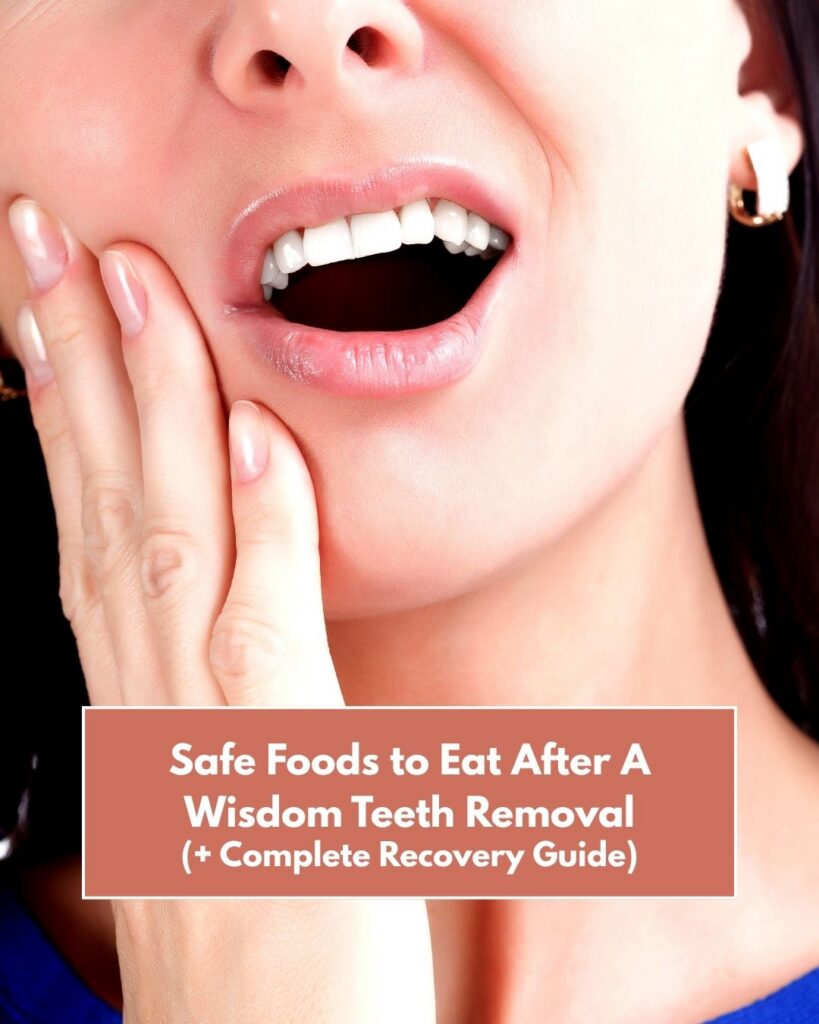

Wisdom teeth removal can be quite an excruciating experience. After the procedure, the patient has to be careful with their choice of food. The safest foods to eat are ones that are soft, easy-to-swallow, and non-irritating. These include yogurt, scrambled eggs, and well-blended foods. These help protect the surgical site while providing the nutrients your body needs to heal.
Why Your Diet Matters More Than You Think
Wisdom teeth removal leaves your gums vulnerable. The extraction site forms a delicate blood clot, which acts as a protective layer over the bone and nerves underneath. If that clot becomes dislodged, you can develop a painful condition known as dry socket. It’s a complication that can significantly delay healing.
This is why your diet plays such a central role in recovery. Eating the wrong foods, especially anything crunchy, hot, or sticky, can interfere with healing and increase discomfort. On the other hand, choosing soft, nutrient-dense meals supports tissue repair, reduces inflammation, and helps you regain strength more quickly.
Most people begin to feel better within a few days, but full recovery can take up to two weeks depending on the complexity of the extraction. During that time, your food choices act as either a healing tool, or a setback.
What to Eat After Wisdom Teeth Removal (Day-by-Day)
Days 1–2: Stick to Liquids and Ultra-Soft Foods
The first 48 hours are all about protecting the surgical site. Your mouth will likely feel sore, swollen, and sensitive, so anything requiring chewing is off the table.
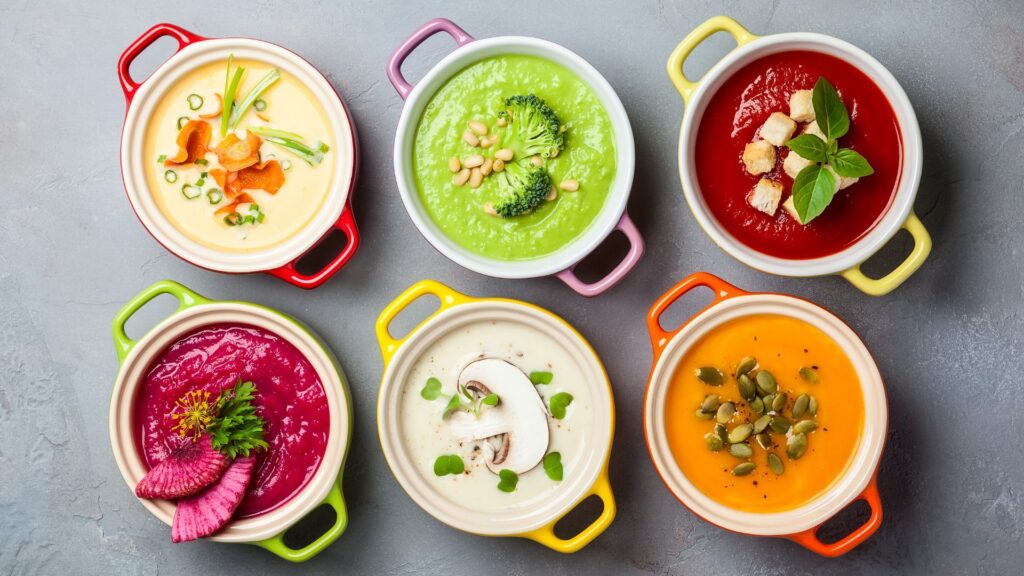
During this phase, focus on smooth, gentle foods that can be swallowed easily. Blended soups, broths, yogurt, and applesauce are excellent choices because they provide nourishment without disturbing the healing area. Smoothies are also ideal, as long as they don’t contain seeds or require a straw.
Additionally, temperature matters just as much as texture. Foods should be cool or lukewarm, since heat can irritate the wound and even increase bleeding in the early stages of recovery.
Days 3–5: Introduce Soft Foods with Minimal Chewing
As swelling begins to subside, you can slowly start incorporating foods that require light chewing. This is where comfort foods like mashed potatoes and scrambled eggs become especially helpful.
Mashed potatoes provide much-needed calories and are easy to eat without strain. Scrambled eggs, meanwhile, are rich in protein and essential nutrients that support tissue repair. Soft oatmeal, mashed bananas, and cottage cheese also fit well into this stage of recovery.
The key here is to ease into texture. Don’t worry about having to rush back to normal eating, you’re still at a point where you’re carefully testing what your mouth can tolerate without discomfort.
Days 5–7: Gradually Add Soft Solids
By the end of the first week, many people feel ready to expand their diet slightly. This doesn’t mean crunchy or tough foods yet, but you can begin introducing soft solids that require gentle chewing.
Soft fish, well-cooked vegetables, and tender pasta are good examples. These foods add variety and help you transition back toward a normal diet without putting stress on the healing site.
At this point, it’s important to chew slowly and avoid the extraction area as much as possible. Even though you may feel better, the tissue is still healing beneath the surface.
After One Week: Transition Back to Normal Foods
After about seven days, most people can start returning to their regular diet. However, this transition should still be gradual. Jumping straight into hard or crunchy foods can undo your progress.
Start with softer versions of everyday meals. Think tender meats, cooked vegetables, and soft grains. If anything causes discomfort, it’s a sign to scale back and give yourself more time.
Healing timelines vary, so listening to your body is just as important as following general guidelines.
Best Foods to Eat After Wisdom Teeth Removal
While your diet will evolve over time, some foods consistently work well throughout recovery due to their texture and nutritional value.
Here are some of the safest and most practical options:
- Yogurt and Greek yogurt
- Smoothies without seeds
- Blended soups (tomato, pumpkin, vegetable)
- Applesauce
- Mashed potatoes
- Scrambled eggs
- Avocado
- Cottage cheese
- Soft oatmeal
- Pudding or soft desserts
- Soft pasta
- Well-cooked vegetables
- Soft fish like salmon
These foods strike the right balance between being gentle on your mouth and providing essential nutrients like protein, vitamins, and healthy fats.
Foods to Avoid After Wisdom Teeth Removal
Just as important as what you eat is what you avoid. Certain foods can irritate the wound, get stuck in the socket, or increase your risk of complications.
In the first week especially, steer clear of:
- Crunchy foods like chips, nuts, and crackers
- Sticky foods such as caramel or chewing gum
- Spicy dishes that can irritate the gums
- Acidic foods like citrus fruits and vinegar-based items
- Foods with small seeds (berries, chia seeds)
- Alcohol
You should also avoid drinking through a straw, as the suction can dislodge the blood clot and lead to dry socket. Similarly, very hot foods and drinks should be avoided early on, as they can interfere with healing.
Are Cold Foods Good for Recovery?
Cold foods can actually be beneficial in the first couple of days after surgery. They help reduce swelling and provide a soothing effect on sore gums.
Foods like yogurt, smoothies, and even plain ice cream can offer relief while still being easy to consume. However, it’s best to avoid anything with crunchy mix-ins, such as nuts or cookie pieces, as these can irritate the extraction site.
Practical Tips for Eating During Recovery
Another thing to keep in mind about eating after wisdom teeth removal is also how you eat. This is just as important as choosing the right foods.
Take your time with meals and stick to small bites, even when eating soft foods. Staying hydrated is equally important, but always drink directly from a glass rather than using a straw. Keeping your meals simple and smooth will reduce the risk of irritation and make the overall experience more comfortable.
Nutrition should remain a priority throughout recovery. Protein-rich foods like eggs and yogurt help rebuild tissue, while fruits and vegetables (in soft or blended form) provide vitamins that support healing.
Frequently Asked Questions
How long after wisdom teeth removal can I eat normally?
Most people can return to a normal diet within 7 to 14 days, depending on how well the extraction site heals.
Can I eat pasta after wisdom teeth removal?
Yes, once you’re a few days into recovery. Just make sure it’s soft, well-cooked, and easy to chew.
Is ice cream safe after surgery?
Yes, as long as it doesn’t contain hard or crunchy ingredients. It can even help soothe swelling in the early stages.
When can I eat solid food again?
Soft solids can usually be introduced after 3–5 days, with a gradual return to regular foods after about a week.
Final Thoughts
Recovering from wisdom teeth removal is as much about patience as it is about food choices. While it may be tempting to return to your usual diet quickly, taking a gradual approach will help you avoid complications and heal more comfortably.
By focusing on soft, nutrient-rich foods in the early days and slowly reintroducing texture, you give your body the best chance to recover efficiently. A little care now can save you from unnecessary pain—and get you back to normal eating sooner than you might expect.