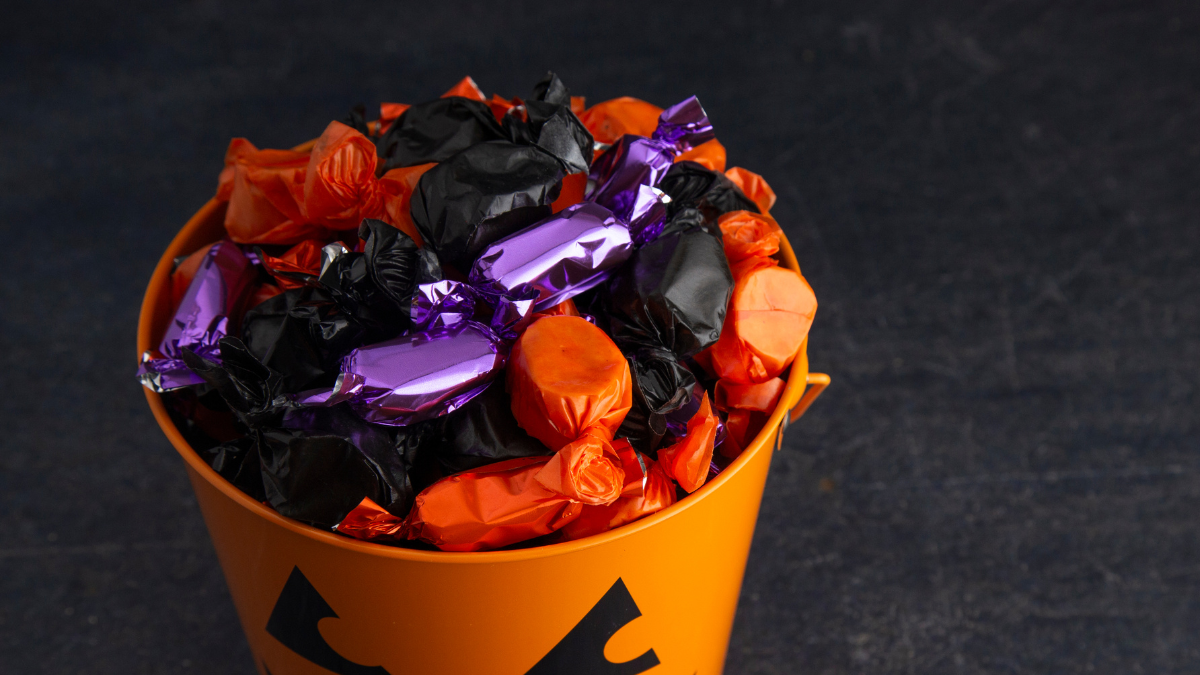

Halloween has a funny way of leaving you with far more candy than anyone actually needs.
Maybe your kids came home with overflowing trick-or-treat bags. Maybe you bought too much candy for the neighborhood and ended up with several unopened bags. Or maybe, you simply don’t want a bowl of miniature chocolate bars sitting on the kitchen counter for the next month.
The good news is that leftover Halloween candy doesn’t have to go straight into the trash. You can use it as a baking ingredient, save some for future occasions, freeze certain candies, or turn it into a fun activity.
The key is to stop thinking of leftover candy as something you have to finish eating and start treating it like an ingredient or shelf-stable pantry item.

Sort the Candy First
Before deciding what to do with leftover Halloween candy, separate it into categories.
Keep unopened, commercially packaged candy separate from anything damaged or questionable. Check wrappers for tears or signs that the packaging has been tampered with, especially if the candy came home from trick-or-treating. You’ll also want to separate candy according to how you plan to use it. Chocolate bars, peanut butter cups, caramel candies, hard candies, and chewy candies don’t all behave the same way in recipes.
Save Some for Baking
One of the easiest ways to use leftover Halloween candy is to turn it into a baking ingredient.
Chopped chocolate bars can be added to cookies, brownies, blondies, muffins, or quick breads. Peanut butter cups can be chopped into cookie dough, while caramel candies can be melted into sauces or tucked into baked goods.
You don’t need to create an elaborate recipe specifically for leftover candy. In many cases, you can simply replace some of the chocolate chips, nuts, or other mix-ins in a recipe with chopped Halloween candy.
That means you’re using something you already have instead of buying another ingredient.
Make a Leftover Candy Cookie
A basic cookie dough is one of the easiest ways to use a mixed collection of candy.
Chop larger pieces into smaller chunks and mix several varieties together. Chocolate, peanut butter, caramel, and crunchy candy can all work particularly well in cookies. Then just fold it into your favorite cookie dough recipe, and bake.
This is also a good way to use the small quantities that aren’t enough to make a standalone dessert.
Use Candy as a Dessert Topping
You don’t always need to bake leftover candy.
Chopped candy can become a topping for ice cream, pudding, brownies, cupcakes, yogurt, or homemade milkshakes. A small amount can make a simple dessert feel more special without requiring another trip to the grocery store.
This is especially useful if you already have a dessert that needs a little something extra.
Save Candy for Birthday Parties
Unopened, shelf-stable candy can be useful for future celebrations.
You can use it for goodie bags, party favors, dessert tables, scavenger hunts, or decorating cakes and cupcakes.
The trick is to actually store it somewhere you’ll remember it exists. Put it in a labeled container rather than leaving it hidden behind other food in the pantry.
Freeze Chocolate Candy
Some chocolate candies can be frozen for later use, particularly when you’re planning to use them as baking ingredients.
Freezing can help extend the useful life of food. To freeze properly, wrap candy well to protect it from moisture and odors, and label the container so you know what’s inside.
Use Candy for a Dessert Board
If you’re hosting a casual gathering, leftover Halloween candy can become part of a dessert spread.
Arrange individually wrapped pieces alongside cookies, popcorn, pretzels, fruit, or other inexpensive snacks. It turns a collection of miscellaneous candy into an intentional-looking dessert option.
This is particularly useful when you’re entertaining on a budget because you’re building around food you already have in your pantry.
Make a Homemade Trail Mix
Some candies can work in a homemade snack mix.
Combine appropriate candy pieces with popcorn, pretzels, cereal, nuts, or dried fruit. Because you control the proportions, a small amount of candy can add sweetness without becoming the entire snack.
If you’re serving anyone with food allergies, be especially careful when mixing packaged candy with other ingredients. It’s best to read the entire ingredient label and check for the presence of major allergens rather than assuming a familiar food product is safe.
Use It for a Holiday Gingerbread House
If you already make a gingerbread house during the holidays, Halloween candy can become your decorating stash.
Keep suitable pieces in an airtight container and use them when you decorate later in the season.
You may even find that the random assortment of colors and shapes makes the finished gingerbread house more interesting than one decorated entirely with candy purchased specifically for the project.
Donate Carefully
Depending on where you live, local organizations, community groups, schools, or military-support programs may accept unopened candy donations around Halloween.
Policies vary, so check with the organization before bringing anything in. Don’t assume an organization can accept homemade treats, opened packages, or candy that has been removed from its original packaging.
For food safety and allergy reasons, commercially packaged products with intact labels are generally the easiest products for organizations to evaluate.
Don’t Save Everything Forever
Being frugal doesn’t mean keeping food indefinitely.
Candy is generally shelf-stable, but quality can change over time. Chocolate may develop a white or grayish appearance called bloom, while other candies can become hard, sticky, stale, or otherwise unpleasant. Avoid this by keeping the products you know you’ll use and let go of things nobody wants.
Saving something simply because throwing it away feels wasteful isn’t actually frugal if it takes up space for months and eventually gets discarded anyway.
Check Labels Before Sharing
This is particularly important if you’re using leftover candy in baking or giving it to other people.
The FDA recognizes nine major food allergens: milk, eggs, fish, crustacean shellfish, tree nuts, peanuts, wheat, soybeans, and sesame. Packaged foods covered by federal labeling requirements must identify major allergens according to the applicable rules.
Always check the current package rather than relying on memory, especially if you’re preparing food for someone with an allergy.
Bottom Line
Leftover Halloween candy doesn’t need to become a month-long candy binge or a pile of food waste. Sort it, save what everyone in your household love, and turn the rest into baking ingredients, dessert toppings, party supplies, or holiday decorations.
The most frugal approach is simple: use what you already have before buying something new, but don’t feel obligated to keep candy that nobody will actually use.