Here’s something worth admitting upfront: most of us have at least one jar of something in the back of the spice cupboard that’s been there since a recipe we made three years ago. It might be allspice. It might be that fancy smoked salt from a gift set. Whatever it is, it’s probably lost most of its flavor by now, and if you’ve used it recently without quite getting the result you expected, that’s likely why.
Spices are one of those things that feel like a small grocery line item but quietly add up in a way that catches you off guard. A few jars here and there, and suddenly you’ve spent $40 on seasoning that’s sitting in a cabinet going stale. The good news is that with a little bit of intention, your spice budget can be dramatically lower, your flavors can be dramatically better, and you’ll actually use everything you buy. Fall is the perfect time to sort this out, because it’s when the spice cabinet genuinely earns its keep.
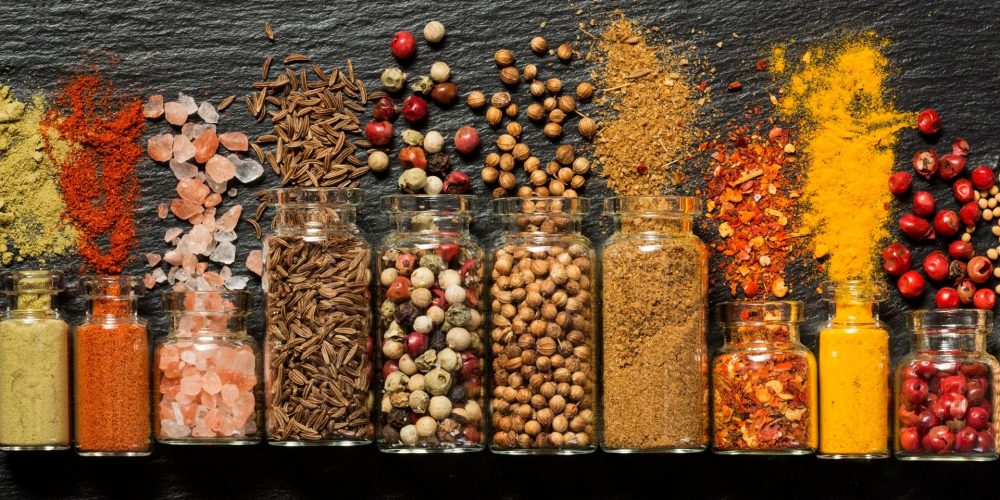
The fall spices worth keeping in every budget kitchen are cinnamon, cumin, smoked paprika, nutmeg, ground ginger, chili flakes, and cloves. Buy them from the bulk aisle or ethnic grocery stores where possible, store them away from heat and light, and do a quick sniff test every few months to check they’re still doing their job.

Fall Spices Actually Worth Buying
Not every spice in the grocery store deserves a spot in your cabinet. For fall cooking specifically, there’s a core group that covers the vast majority of what you’ll want to make, from warming soups and braises to baked goods and everything in between. These are the ones worth prioritizing if you’re starting from scratch or re-stocking a depleted cabinet.
Cinnamon is the undisputed anchor of fall spicing. It shows up in baked goods, oatmeal, spiced apple dishes, Moroccan-style braises, curries, and even chili, where a pinch of cinnamon adds a warmth that’s hard to place but immediately noticed. Ceylon cinnamon has a more delicate, complex flavor than the more commonly sold cassia cinnamon, and if you’ve never tasted the difference, it’s worth trying. That said, the affordable kind works perfectly well for everyday cooking, and of course, there’s no shame in buying it in the largest bag available.
Cumin is the spice that makes most things taste better without being too loud. Ground cumin is essential for lentil soups, bean dishes, roasted root vegetables, and any Mexican or Middle Eastern-inspired cooking, which covers a significant portion of fall’s best budget meals. It’s also one of the better-value spices on the shelf, since a relatively small amount goes a long way in most applications.
Smoked paprika is the fall spice that home cooks most consistently underuse, and it’s such a shame because it costs almost nothing and adds a smoky, slightly sweet depth that most dishes benefit from. It works in soups, in spice rubs for slow-cooked meats, in roasted vegetables, and stirred into beans. A teaspoon of smoked paprika in a simple lentil soup is the difference between fine and noticeably good.
Nutmeg is one of those spices that reveals its real character in fall cooking more than any other season. It belongs in béchamel sauce, in mashed potatoes, in pumpkin and squash preparations, and in warm spiced drinks. Buy it whole and grate it fresh if you can, because the flavor difference between freshly grated nutmeg and the pre-ground powder in a jar is remarkable. A single whole nutmeg lasts months, grates quickly on a fine microplane, and costs very little.
Ground ginger adds warmth and a subtle brightness to spice blends, baked goods, and savory dishes alike. It’s particularly useful in fall baking and in warming soups where you want a little heat without the sharpness of fresh ginger. It’s also one of the most commonly depleted spices in a fall kitchen, so if you don’t have a full jar going into the season, stock up now.
Chili flakes belong in nearly everything savory, including a lot of the dishes where you wouldn’t expect them. A pinch in a pasta sauce, a sprinkle over roasted vegetables, a small amount in a bean stew, and chili flakes do the job of adding a background warmth that rounds out the other flavors without turning a dish spicy. Buy a larger bag rather than a small jar and you’ll save considerably per ounce.
Cloves are worth keeping for fall specifically because they appear in so many seasonal preparations, from mulled cider and spiced baked goods to slow-cooked meats and braised dishes with warming spice profiles. A little goes a very long way, which is both a strength and an argument for buying a small quantity rather than a full jar unless you use them regularly.
Where to Buy Spices Without Overpaying
The grocery store spice aisle may be most people’s first go-to place to buy spices, but knowing where else to look makes a real difference to the budget over the course of a year.
Indian, Middle Eastern, Latin American, or Southeast Asian stores almost always stock the same spices at a fraction of the supermarket price. Cumin, coriander, turmeric, cardamom, cinnamon, chili flakes, and dozens of other common spices are staple ingredients in these cuisines, which means they’re sold in larger quantities, with higher turnover, and at considerably lower prices. A bag of cumin from an Indian grocery store often costs less than a third of the equivalent supermarket jar for several times the quantity.
Bulk bins at grocery stores and co-ops are the second-best option. Buying only the quantity you actually need in the next few months costs less upfront, reduces waste from spices that go stale before you finish a full jar, and lets you try an unfamiliar spice without committing to an entire bottle. Smaller jars may cost more per ounce but can actually save money if you finish them before they lose their flavor. The same logic applies in reverse at bulk bins: buying a smaller amount that you’ll use while it’s fresh beats buying a larger amount that sits around losing potency.
How to Make Your Spices Actually Last
Once you buy your staple spices, the next crucial thing to think about is how to make them last longer. Intentionally storing spices in conditions that won’t shorten their life dramatically is key.
Heat, light, moisture, and air are the enemies of a good spice. Many people make the mistake of keeping a spice rack right above the stove for convenience, but the heat from cooking accelerates the breakdown of essential oils. The same applies to spice racks on windowsills where sunlight hits them for part of the day, or to open shelving where light exposure is constant. A dark cabinet or drawer away from the stove is genuinely the best spot in any kitchen, even if it’s slightly less convenient to reach.
Moisture is the fastest way to ruin a spice, and it sneaks in through a habit most cooks don’t notice: measuring directly over a steaming pot. When you shake or spoon a spice directly from the jar over something that’s actively cooking, steam enters the container every single time. The fix is to shake or spoon the spice into your hand or a small dish first, then add it to the pot. It’s one small habit that genuinely extends spice life.
Airtight containers make a meaningful difference too, particularly for ground spices. The original store packaging is often neither airtight nor light-proof, which is why decanting into small glass jars with tight lids is worth the ten minutes it takes when you bring new spices home. Labeling each jar with the purchase date is the other habit that pays off, because it removes the guesswork about how old something is when you go to use it.
A general guide to how long spices actually last: Whole spices typically last up to four years, while ground spices should be replaced after one to two years. These aren’t hard expiration dates, but quality guidelines. A ground spice that’s two years old isn’t unsafe, it’s just weaker, which means you’ll use more of it to get the same effect, which is a subtle but real budget drain over time.
The Sniff Test Is The Only Freshness Check You Need
You don’t need a complicated system for knowing when to replace a spice. Crush a pinch between your fingers and smell. If the aroma is weak or musty, it’s time to replace it. That’s really all there is to it. A fresh spice smells immediately and clearly of itself. A stale one gives you very little when you crush it, or smells flat and slightly dusty rather than vibrant and aromatic. Go through your spice cabinet with this test once or twice a year and replace whatever comes up short.
If a spice smells dull but not rancid, there’s also a simple revival trick: toast the spice briefly in a dry skillet for a few seconds. This reactivates the essential oils and enhances the aroma.It won’t bring a completely spent spice back to its prime, but for anything that’s lost some potency rather than all of it, a quick toast before adding it to a dish produces a noticeably better result.
Make Your Own Fall Spice Blends and Save
One of the best budget moves in the spice cabinet is making your own blends rather than buying pre-mixed ones. Pre-mixed spice blends carry a significant markup for the convenience of having someone else combine them, and most contain nothing you couldn’t mix yourself in two minutes from spices you already have.
Pumpkin pie spice is an obvious example. The store-bought version costs several dollars for a small jar and contains nothing but cinnamon, ginger, nutmeg, allspice, and cloves combined in a specific ratio. Mix your own from the individual spices already in your cabinet and you have the same thing for essentially nothing.
Additionally, chili seasoning, a taco blend, a simple curry powder, and a warming ras el hanout all follow the same logic: a few minutes of mixing at home produces something better than anything pre-blended, at a fraction of the price.
The Bottom Line
A well-stocked spice cabinet doesn’t have to cost much or demand a lot of attention. All you really need to cook confidently through fall and winter is a focused core of seven or eight spices that you actually use, bought from the right places, stored correctly, and checked periodically with a quick sniff test. The rest is just clutter accumulating on a shelf, quietly going stale between seasons. Get the foundation right, keep it fresh, and your cooking will taste better for less money than you’re probably spending on spices right now.
Frequently Asked Questions (FAQ’s)
What are the most important spices for fall cooking? Cinnamon, cumin, smoked paprika, nutmeg, ground ginger, chili flakes, and cloves cover the vast majority of fall cooking from soups and braises to baked goods. These seven form a practical core that’s worth prioritizing if you’re rebuilding or starting from scratch.
Where is the cheapest place to buy spices? Ethnic grocery stores and bulk bins at co-ops or grocery stores consistently offer the lowest prices per ounce. Indian, Middle Eastern, and Latin American grocers in particular stock a wide range of common spices at significantly lower prices than mainstream supermarket spice aisles.
How do you know when a spice has gone bad? Crush a small pinch between your fingers and smell it. If the aroma is faint, flat, or musty rather than bright and immediate, the spice has lost most of its potency and is worth replacing. Spices don’t typically become unsafe, but they do stop doing their job when they go stale.
Should you store spices in the refrigerator? Generally no. Refrigeration introduces moisture, which degrades spices faster than room temperature storage in a cool, dark cabinet. The exception is spices bought in very large quantities that won’t be used for months, which can be portioned and sealed tightly before freezing.
Is it worth buying whole spices instead of ground? For spices you use frequently, yes. Whole spices last significantly longer than ground ones, and grinding them fresh immediately before use produces a noticeably more vibrant flavor. A small coffee or spice grinder dedicated to the task makes the process fast and worth the minimal extra effort.