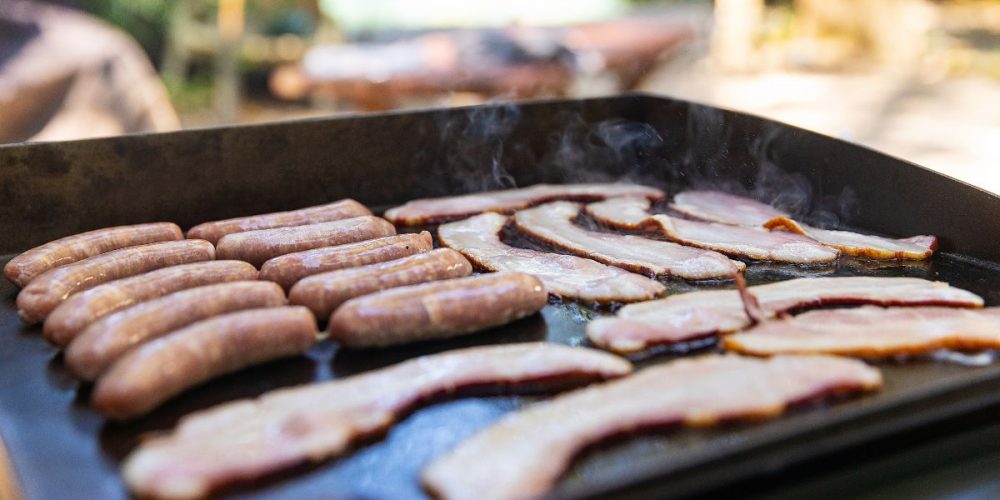
Outdoor griddles have become a staple for many households because they allow for efficient, high-volume cooking at a lower cost-per-serving than many other outdoor appliances. Whether you are preparing bulk-buy breakfast items or searing multiple burgers at once, the flat-top surface is a versatile tool for any budget-conscious kitchen.
However, because these surfaces are typically made of rolled steel, they are highly susceptible to oxidation and damage if not handled correctly. Maintaining a clean, well-seasoned griddle is the most effective way to protect your financial investment and ensure the equipment performs reliably over the long term.
Essential Maintenance for Your Outdoor Griddle
Consistent maintenance prevents the formation of rust, which can lead to permanent pitting and the need for expensive replacement parts. By establishing a simple post-cook routine and understanding how to restore the steel if it becomes weathered, you can keep your griddle in peak condition using only basic pantry staples. Taking the time to care for the metal ensures a consistent non-stick surface and a safer cooking environment for every meal.
Here’s how you can clean your outdoor griddle to make sure yours will last longer.
The Post-Cook Routine: Daily Maintenance
The most effective way to maintain a griddle is to clean it while the steel is still hot. This prevents grease and food particles from hardening, which makes the cleaning process much faster.
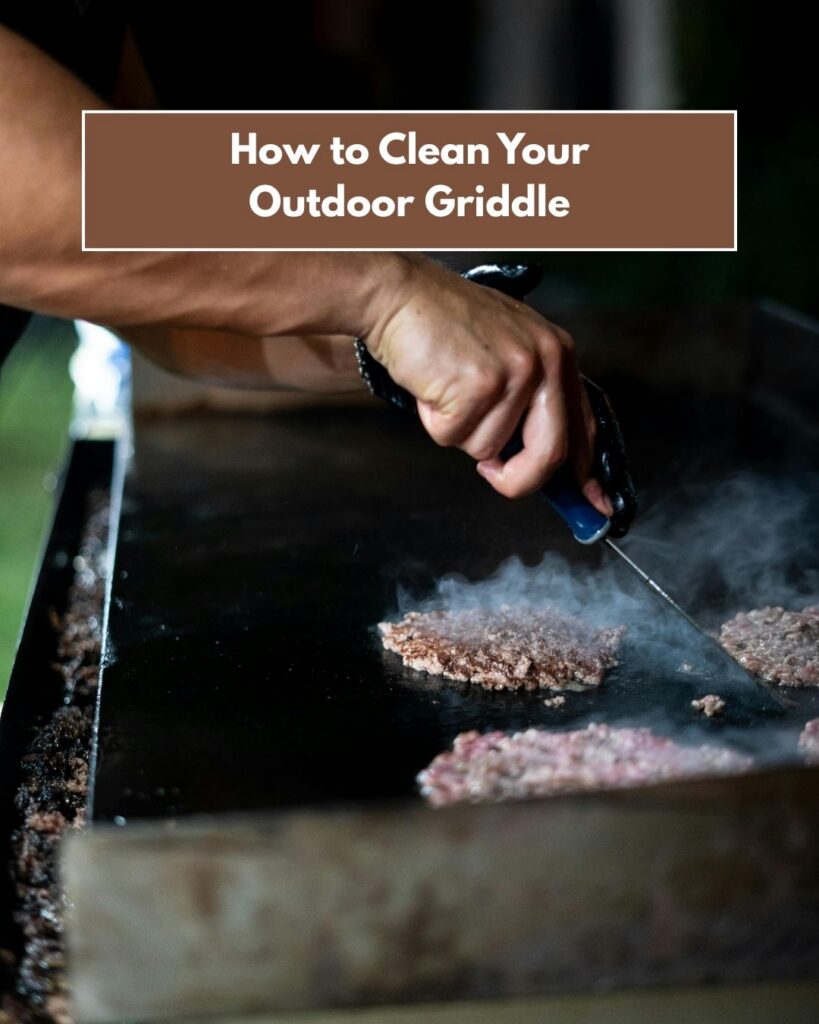
- Scrape the Surface: Use a heavy-duty metal bench scraper to move all food debris and excess grease into the grease trap. Use firm, long strokes to clear the entire flat-top.
- Steam Clean with Water: While the burners are off but the steel is still hot, squirt a small amount of room-temperature water over the surface. The steam will lift stubborn residue and burnt-on sugars. Use the scraper to move this liquid toward the trap.
- Note: Avoid using ice-cold water, as the extreme temperature difference can cause the steel to warp.
- Wipe the Metal: Use a pair of tongs and a folded paper towel or a lint-free rag to wipe the surface dry. Remove any remaining moisture or dark residue.
- Apply a Protective Layer: While the griddle is still warm, apply about a tablespoon of high-smoke-point oil, such as canola or vegetable oil. Spread it across the entire surface and the interior side walls with a paper towel. This creates a barrier that protects the metal from moisture in the air.
Restoring a Weathered or Rusty Surface
Outdoor griddles are made of heavy-duty cold-rolled or carbon steel, which is prized for its heat retention but is naturally prone to oxidation. If moisture settles on the surface without a protective oil barrier, iron and oxygen react to create iron oxide, or rust. This is a common occurrence if a griddle is stored in a humid environment or left uncovered during a rainy season.
But, because the steel is typically several millimeters thick, surface rust is rarely a terminal condition for the equipment. As long as the metal is structurally sound, the surface can be mechanically and chemically restored to a professional, non-stick state. Here’s how to do it:
- Abrasive Cleaning: Use a grill stone or 80-grit sandpaper to sand the rusted areas until the shiny, silver steel is visible.
- Neutralize Oxidation: Wipe the surface with a mixture of equal parts white vinegar and water. The acidity helps remove microscopic rust particles and prepares the metal for new seasoning.
- Re-Season the Steel: Turn the burners to high until the steel changes color. Apply a very thin layer of oil, let it smoke off completely, and repeat this process 3–4 times. The goal is to build a dark, glossy, non-stick layer.
Taking the time to rehabilitate a weathered griddle is a significant cost-saving measure that avoids the high price of a replacement unit. By removing the oxidation down to the bare metal and applying a fresh, polymerized seasoning, you create a durable cooking surface that is often superior to the original factory finish. This restoration process requires patience and physical effort, but it relies on inexpensive materials that are likely already in your pantry. Mastering this skill ensures that your outdoor kitchen remains functional regardless of the weather or periods of non-use.
Three Rules for Long-Term Griddle Care
- Avoid Dish Soap: Unless you are stripping the griddle to fix a major issue, do not use soap. It breaks down the seasoned oil layer that provides the non-stick properties of the steel.
- Manage Your Heat: Do not leave the griddle on high heat for extended periods when it is empty. Excessive heat without food can “burn off” your seasoning and leave the metal vulnerable to rust.
- Use a Weatherproof Cover: Steel is highly reactive to moisture. Using both a hard-shell lid and a waterproof soft cover is the best way to prevent rain and humidity from reaching the surface.
Protecting Your Griddle Is Protecting a Culinary Investment
Taking care of your tools is just as important as the ingredients you buy. A well-maintained griddle provides a predictable, non-stick surface that makes food preparation more efficient and enjoyable. By spending a few minutes after each use to scrape and oil the steel, you prevent the need for more difficult restorations later. Having a proactive approach ensures your equipment remains a reliable part of your kitchen for years to come.