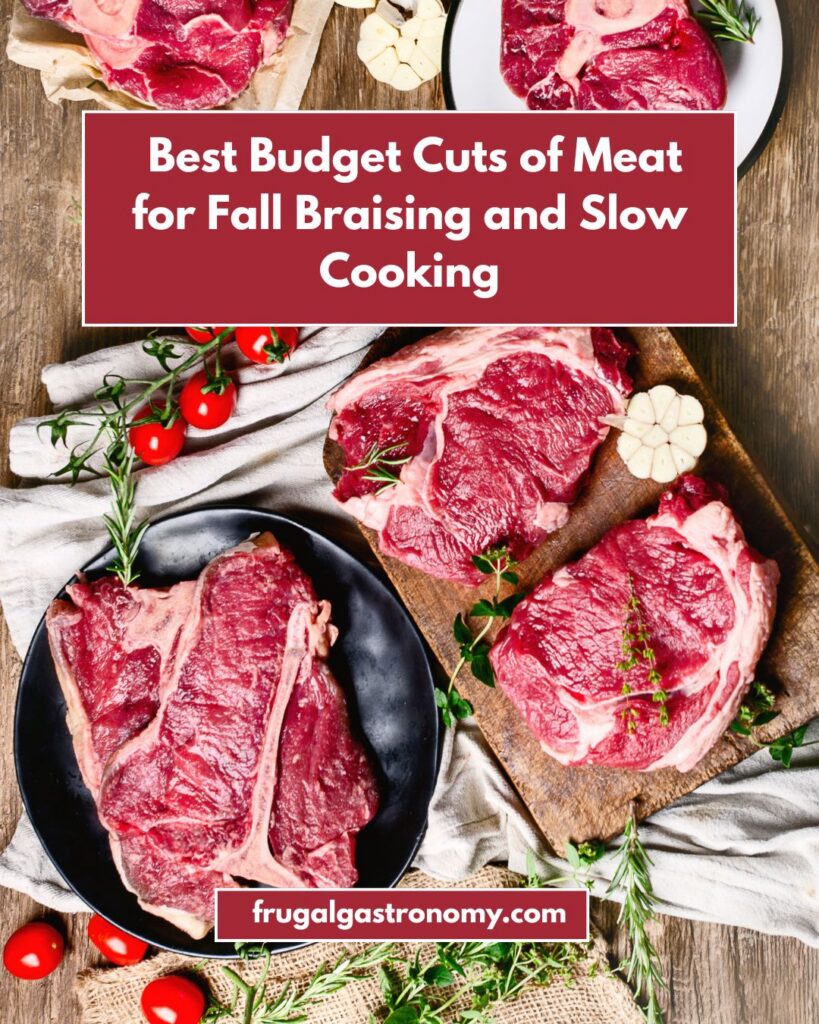
Fall is the season that finally justifies buying the cheaper end of the meat case. Not because good food is unavailable, but because the cooking methods that define this time of year, braising, slow cooking, and low-and-slow oven roasting, are specifically designed to take the toughest, most affordable cuts and turn them into something genuinely extraordinary.
A chuck roast that would be unpleasantly chewy if cooked quickly becomes fall-apart, deeply savory pot roast after four hours of gentle heat. Pork shoulder that costs a fraction of a tenderloin transforms into pull-apart meat that’s better than anything you’d pay restaurant prices for, cooked almost entirely unattended.
The science behind this reversal is straightforward and worth understanding, because it helps you shop with confidence rather than just following a list. Affordable cuts are generally inexpensive because they come from heavily worked muscles on the animal, areas like the shoulder, leg, and chest. These muscles are dense with connective tissue, primarily collagen, which makes them genuinely tough at high heat.
But when cooked low and slow in the presence of moisture, that collagen breaks down into gelatin over time, producing a silky, rich texture and a braising liquid that thickens into a sauce with almost no effort. As registered dietitian and cookbook author Chef Abbie Gellman put it when speaking to Tasting Table, braising “helps to break down the collagen and connective tissue” turning otherwise tough meat into something melt-in-your-mouth tender. The result is that the cooking method which costs the least in active effort rewards you most when you start with the right, inexpensive cut.
This guide covers the best budget cuts of meat for fall braising and slow cooking, why each one works, what to make with it, and the habits that get the most value out of every dollar spent at the butcher counter.
Frugal Gastronomy is an Amazon Associate and earns from qualifying purchases made through links in this post. The price you pay does not change.
What Makes a Cut Good for Braising and Slow Cooking?
Before getting into specific cuts, it’s worth establishing what you’re actually looking for. The qualities that make a cut great for braising are almost the opposite of what you want for a quick sear or a grill: plenty of connective tissue, some intramuscular fat, and a large, dense muscle structure that can withstand hours of heat without drying out.
Lean, tender cuts like filet mignon, sirloin, and chicken breast fall apart in a different way under long cooking, drying out and becoming stringy rather than silky. The fat and collagen in tougher cuts act as built-in insurance against this. The fat bastes the meat from within as it renders, and the collagen transforms into gelatin that keeps every bite moist and rich well past the point where a leaner cut would have given up.
The ideal braising cut is also one that’s large enough to stay intact for the full cooking time, which is why roasts and bone-in cuts dominate this category. The bone adds flavor to the braising liquid and acts as a conductor of gentle heat into the center of the meat, which helps it cook more evenly than a boneless equivalent.
Beef Chuck Roast: The Gold Standard of Budget Braising
Chuck roast consistently sits at the top of any budget braising conversation, and the reputation is genuinely earned. Cut from the shoulder of the cow, chuck roast is densely marbled with intramuscular fat and threaded with collagen-rich connective tissue that melts into a glossy, rich sauce during a long braise. It’s also one of the most widely available and consistently affordable cuts in the beef case, typically running two to three dollars per pound less than cuts like brisket, and sometimes more.
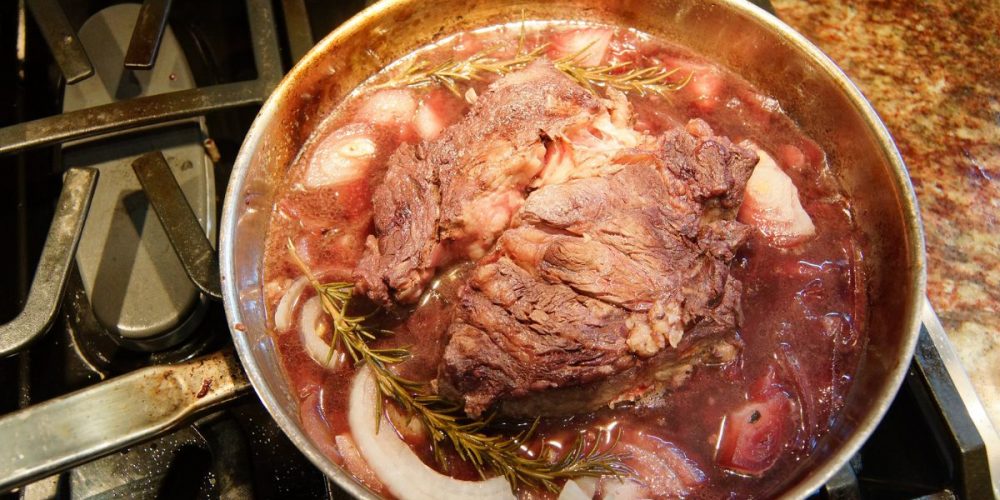
The versatility of chuck roast is what makes it a genuine fall staple rather than a one-recipe ingredient. A whole roast cooked low and slow in red wine, aromatics, and beef broth becomes a classic pot roast that feeds a family comfortably with leftovers. Those leftovers can be shredded and used in tacos, served over pasta, or turned into a hearty soup the following day. Buying a large chuck roast, cooking it once, and eating from it across multiple meals is one of the most cost-effective approaches to fall cooking available.
For best results, sear the chuck roast on all sides in a very hot pan until deeply golden brown before adding any liquid. This step, known as the Maillard reaction, builds a crust on the exterior that contributes enormous flavor to both the meat and the finished braising liquid. Deglazing the pan with a splash of red wine or stock after searing picks up all the flavorful browned bits and incorporates them into the braise. From there, a low oven temperature of around 300°F for three to four hours produces meat that shreds with almost no effort.
Beef Shank: The Underrated Braising Powerhouse
Beef shank is one of the most overlooked cuts in any grocery store meat case, which is part of why it’s also one of the cheapest per pound. Cut from the leg of the cow, it is one of the toughest cuts on the animal, loaded with dense muscle fiber and connective tissue. That description sounds like a disadvantage until you understand what happens when a shank is braised low and slow: the connective tissue breaks down almost completely, producing meat that is extraordinarily tender and a braising liquid that becomes naturally rich and gelatinous without any thickening agent.
Cross-cut shanks, sold as osso buco cuts, include a marrow-filled bone in the center that adds a depth of flavor to the braising liquid that is genuinely difficult to replicate with any boneless cut. The marrow softens during cooking and can be scooped out and spread on bread alongside the finished dish. This is budget cooking that feels genuinely celebratory, and it costs considerably less per serving than almost any other slow-cooked beef preparation.
Beef shank takes the longest of any cut on this list to become tender, typically requiring four to five hours at a low temperature to fully break down. Plan accordingly and give it the time it needs. The result is worth it.
Four to five hours is also the point where the oven stops being the obvious choice. Running a 300°F oven that long heats the whole kitchen and adds to a utility bill in a month when you are already paying to heat the house. A countertop cooker draws a fraction of that and holds a steady low temperature without being watched, which is exactly what shank needs. An 8.5-quart cooker is wide enough to hold four to six cross-cut shanks in a single layer, and a single layer is what keeps the marrow bones upright and the meat evenly covered in liquid.
Pork Shoulder: The Most Versatile Slow-Cook Cut Available
Pork shoulder, also sold as pork butt or Boston butt depending on the region, is arguably the single best slow-cook cut available when you factor in cost, yield, versatility, and flavor together. It’s heavily marbled, well-supplied with collagen, and produces enough meat from a single roast to feed a family multiple times across the week. Current average prices put pork shoulder among the cheapest protein options per pound at most grocery stores.
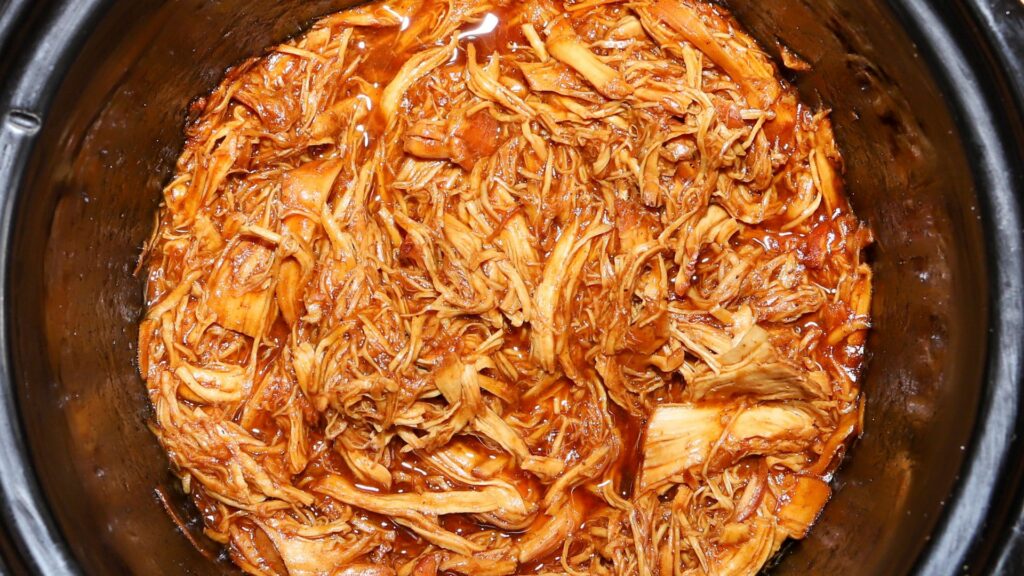
The flavor that develops in a braised or slow-cooked pork shoulder is bolder than most people expect from a relatively inexpensive cut. Cooked in apple cider, onions, and a few whole spices, it produces pulled pork that’s richly flavored and genuinely superior to what most restaurants serve. The rendered fat from the shoulder bastes the meat continuously during cooking, keeping it moist even after hours of heat. Shredded pork shoulder also freezes beautifully in meal-sized portions, which makes a single large cooking session productive for several future meals with almost no additional effort.
For a fall-specific preparation, braising pork shoulder with apple cider, hard cider, fennel, and fresh thyme produces a dish that tastes of the season in a way that’s deeply satisfying without requiring any particularly expensive ingredients.
Bone-In Chicken Thighs: Fast-Braising Budget Protein
Not every fall braise needs hours of cooking time, and chicken thighs demonstrate this clearly. Bone-in, skin-on chicken thighs are consistently the cheapest cut at the poultry counter and are also the most forgiving and most flavorful part of the bird for braising. The fat under the skin renders during cooking and enriches the braising liquid, and the bone contributes flavor in the same way it does in a long beef braise, just on a shorter timeline.
A braised chicken thigh dish is ready in 45 minutes to an hour, which puts it in reach of a weeknight dinner rather than requiring a weekend afternoon. Sear the thighs skin-side down until deeply golden, remove them from the pan, build a quick sauce with aromatics, tomatoes, or broth, then nestle the thighs back in and finish in a 375°F oven until cooked through. The skin crisps back up during the final stage of cooking if you leave the pot uncovered for the last fifteen minutes, which adds a textural contrast that most purely slow-cooked dishes lack.
This cut is worth buying in bulk when it’s on sale, portioning, and freezing, since it’s both inexpensive raw and highly convenient to have on hand for a quick weeknight braise throughout the colder months.
Lamb Shoulder and Lamb Shanks: The Fall Splurge That Isn’t
Lamb often gets filed under “special occasion” in home cooking conversations, but shoulder and shank cuts tell a different story on the price tag. Lamb shoulder in particular is consistently cheaper than any loin or leg cut and rewards slow cooking generously, becoming deeply tender and rich after a long braise in red wine, tomatoes, and herbs. Lamb shank, while slightly pricier than shoulder, is one of the most satisfying braised dishes available and produces a naturally gelatinous sauce from its abundant connective tissue that needs no additional thickening.
The flavor profile of braised lamb is considerably bolder than beef or pork, which makes it particularly well-suited to fall and winter cooking when warming, aromatic spice blends are in season. A slow-braised lamb shoulder with cumin, coriander, preserved lemon, and chickpeas draws on North African cooking traditions that have used these inexpensive cuts to extraordinary effect for centuries. Alternatively, a lamb shank braised in red wine with rosemary, garlic, and root vegetables is a dish that tastes entirely appropriate at a dinner party despite costing very little to assemble.
Pork Ribs: Slow-Cooked Value for a Crowd
Spare ribs and country-style pork ribs are both excellent budget slow-cooking cuts that are often overlooked outside of barbecue season. Country-style ribs in particular, which are cut from the blade end of the loin near the shoulder, are consistently inexpensive, meaty, and rich in the fat and collagen that makes slow cooking worthwhile. Unlike spare ribs, they have a higher meat-to-bone ratio, which makes them one of the better-value cuts in the pork section on a per-edible-ounce basis.
Braised low and slow in a covered Dutch oven with onions, garlic, a can of crushed tomatoes, and a splash of apple cider vinegar, country-style pork ribs become fork-tender in about two and a half hours and produce a thick, deeply savory sauce without requiring any reduction. They’re also an excellent cut for the slow cooker set and forget approach, going in raw in the morning and being ready for dinner without any monitoring in between.
Brisket: The Weekend Investment That Pays All Week
Beef brisket sits at a slightly higher price point than chuck roast or pork shoulder, but its inclusion here is justified by the sheer volume of food a single large brisket produces. Sourced from the breast of the cow, brisket is sold whole (ranging from eight to sixteen pounds) or in the more manageable flat or point cuts that most grocery stores carry. The flat is leaner and slices cleanly after cooking. The point is fattier and more flavorful, and better suited to shredding.
A braised brisket cooked on a Saturday afternoon becomes Sunday dinner, Monday sandwiches, Tuesday tacos, and Wednesday’s addition to a quick noodle soup, making the cost per serving considerably lower than the initial per-pound price suggests. The key to a great brisket braise is patience: low heat, around 300°F, for several hours, with enough liquid to come roughly a third of the way up the meat. Brisket is ready when a fork slides in with almost no resistance and the grain pulls apart easily when tested.
The Technique That Makes All of It Work: Sear First, Always
Across every cut on this list, one technique makes the single biggest difference in the finished result, and it takes less than ten minutes: searing the meat before any liquid goes into the pot. A deep, golden-brown crust on all sides of the meat produces hundreds of new flavor compounds through the Maillard reaction that simply do not develop during moist, slow cooking. Skipping the sear produces a finished braise that tastes noticeably flat compared to one that started with a proper browning step, regardless of how long it cooked or how flavorful the braising liquid was.
Use a heavy-bottomed pan or Dutch oven preheated over high heat with a neutral oil, pat the meat dry before it goes in (moisture is the enemy of a good sear), and resist the urge to move the meat until a crust has formed and it releases naturally from the pan. Once all sides are deeply browned, remove the meat, build your aromatics and liquid in the same pan without washing it, and incorporate all the browned bits from the base of the pan into the braising liquid before the meat goes back in. This single pot captures every bit of flavor the searing step creates and carries it through the entire braise.
The one friction point in that sequence is equipment. Searing in a skillet and then moving everything to a slow cooker means two pans, two rounds of cleanup, and a real chance that the best flavor stays behind in the skillet. Cookers that sear in their own pot remove that step. The Ninja PossibleCooker PLUS browns directly on its own heating element and then drops to a slow-cook setting in the same 8.5-quart pot, so the browned bits end up in the braise rather than in the sink. The pot is oven safe to 500°F as well, which matters if you want to finish a braise uncovered for a browned top.
Buying Smart: How to Get the Most Out of Budget Braising Cuts
A few purchasing habits consistently improve both the quality and the economics of slow cooking with budget cuts. Buying larger roasts rather than smaller ones almost always produces a lower cost per pound, and any excess can be cooked and frozen in meal-sized portions rather than left raw in the refrigerator. Checking the weekly sale at your primary grocery store before planning the week’s slow-cook meals, then building the menu around whatever cut is marked down rather than around a predetermined recipe, is one of the most effective budget-cooking habits available at any time of year.
Buying the larger roast only works if you own something big enough to cook it in. A five-pound chuck roast or a seven-pound pork shoulder will not fit comfortably in a standard six-quart cooker once onions, carrots, and braising liquid go in, and crowding the pot is the fastest way to steam meat instead of braising it. This is the practical case for a cooker in the 8.5-quart range over a smaller one. It takes the bigger cut that costs less per pound, and that extra headroom is what turns one purchase into three or four meals.
Fall is specifically worth mentioning here because it coincides with a shift in grocery store promotional cycles. As summer grilling season ends and demand for quick-cook premium cuts drops, many stores run stronger promotions on braising cuts to move higher inventory volume of exactly the items this article covers. Buying and freezing chuck roast, pork shoulder, and chicken thighs when they’re on sale in September and October produces a freezer stocked for the colder months ahead at some of the best prices of the year.
The Bottom Line
The cheapest cuts in the meat case are, counterintuitively, also the most rewarding ones to cook once fall arrives. Chuck roast, beef shank, pork shoulder, bone-in chicken thighs, lamb shoulder, country-style pork ribs, and brisket all share the same essential quality: they become genuinely better the longer and more gently they’re cooked. That combination of low price, hands-off technique, and exceptional results when cooked correctly makes budget braising cuts the foundation of some of the best fall cooking available in any home kitchen, regardless of budget.
Sear first, cook low and slow, give the meat the time it needs, and the rest takes care of itself.