Fall is one of the best times to take advantage of seasonal produce, but buying something at a good price doesn’t help your grocery budget much if half of it ends up in the trash.
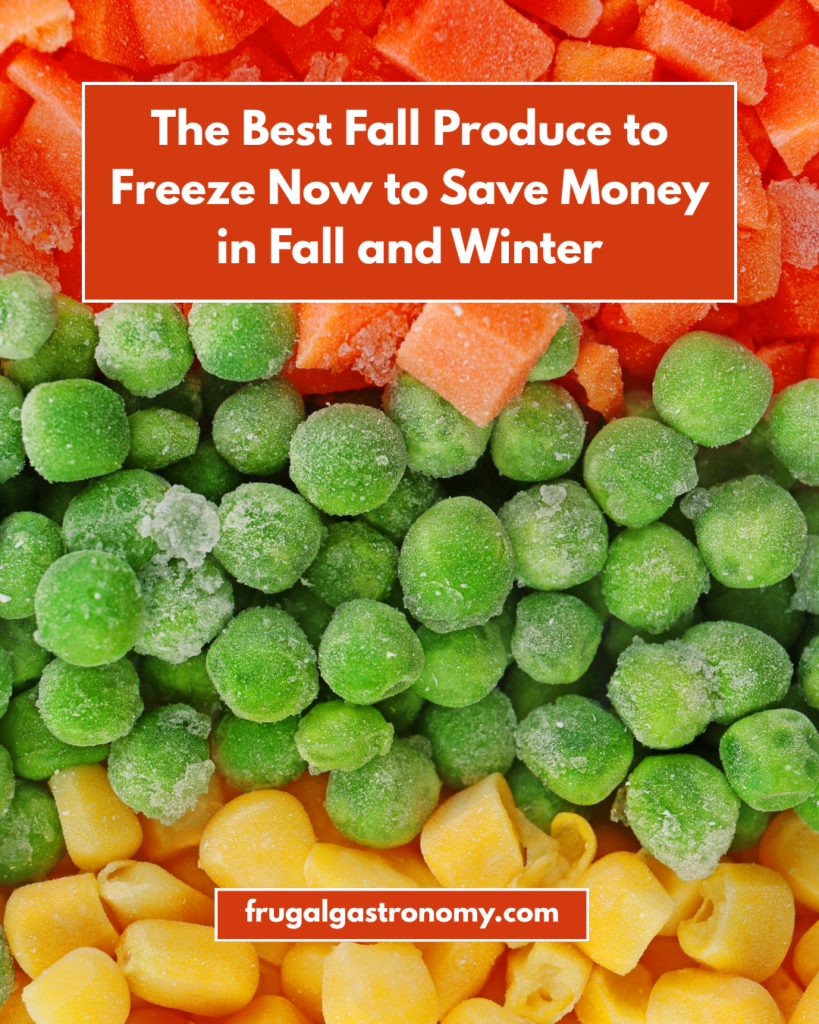
Freezing is a simple way to make seasonal produce work harder. When you find apples, squash, cranberries, vegetables, or other fall favorites at a good price, you can preserve them now and have ingredients ready for soups, breakfasts, side dishes, baking, and weeknight dinners later in the season.
Freezing produce while it’s still at good quality is important because the quality of the food when it goes into the freezer affects the quality when it’s thawed. It’s ideal to freeze foods you won’t use quickly rather than waiting until they’re nearing the end of their useful life.
The best part is that you don’t need expensive equipment. A freezer, airtight freezer bags or containers, and a little preparation are enough to turn a seasonal bargain into future meals.
Why Freeze Fall Produce?
Freezing can help you take advantage of seasonal sales and reduce food waste at the same time. Instead of buying the same ingredients at higher prices later, you can preserve what you find when it’s plentiful and use it throughout fall and winter.
It also makes meal preparation easier. Having prepared vegetables, fruit, herbs, and other ingredients in the freezer means you can reach for something you already bought instead of making another grocery-store trip.
Most vegetables should be blanched before freezing because blanching slows the enzyme activity that can eventually affect their color, flavor, and texture. After blanching, vegetables should be cooled quickly before they’re packaged and frozen.
Apples
Apples are one of the easiest fall fruits to preserve, and freezing them gives you a head start on everything from oatmeal to crisps.
Wash, peel if desired, remove the cores, and slice them before freezing. You can freeze the slices on a tray first so they don’t stick together, then transfer them to a freezer bag or container.
Frozen apples are best used in cooked dishes because their texture will soften after thawing. They’re excellent for apple crisp, muffins, oatmeal, pancakes, sauces, and baked desserts.
Winter Squash
Butternut, acorn, delicata, and other winter squash are naturally suited to cold-weather cooking, and freezing them means you can enjoy that convenience well into winter.
For the easiest preparation, peel and cube the squash before cooking it until just tender. Let it cool completely, portion it into freezer-safe containers or bags, and freeze it flat for easier storage.
Frozen squash works especially well in soups, stews, casseroles, pasta dishes, and purees.
Pumpkin
You don’t have to limit pumpkin to pies and lattes. Fresh pumpkin can be cooked, pureed, portioned, and frozen so you have homemade pumpkin ready for soups, breads, muffins, pancakes, and other recipes.
Freezing it in measured portions is particularly useful because recipes often call for specific amounts. Label each container with the quantity and date so you won’t have to guess what’s inside months later.
Cranberries
Fresh cranberries are one of the easiest fall fruits to freeze because they don’t require complicated preparation.
Sort through them, remove any damaged berries, rinse and dry them thoroughly, then package them in freezer bags or containers. You can use them straight from frozen in muffins, breads, sauces, oatmeal, and baked goods.
This is a particularly useful trick if you only use cranberries during certain times of the year. Buying them when they’re plentiful and freezing the extras can save you from paying more for them later.
Green Beans
Green beans can be frozen, but it’s advisable to blanch them first. Blanching briefly cooks the vegetables and helps preserve their quality during freezer storage.
Trim the ends, blanch the beans, cool them quickly in ice water, drain them well, and package them in portions you’ll actually use. Frozen green beans are perfect for casseroles, soups, stir-fries, and simple side dishes.
Brussels Sprouts
Brussels sprouts are another fall favorite that can be preserved for later use.
Trim and wash them, blanch them briefly, cool them thoroughly, and freeze them in a single layer before transferring them to a freezer bag. When you’re ready to cook them, roasting or sautéing helps bring back some of the caramelized flavor that makes fresh Brussels sprouts so good.
Carrots
Carrots are inexpensive year-round, but a good fall sale can make them particularly attractive for bulk buying.
Slice or chop them into the sizes you’ll actually use, blanch them, cool them quickly, and freeze them in meal-sized portions. They’ll work well in soups, stews, casseroles, pot pies, and roasted vegetable dishes.
Fresh Herbs
Fresh herbs can be surprisingly expensive when you only need a small amount for a recipe, and they’re also easy to forget about in the refrigerator.
Chop herbs such as parsley, sage, rosemary, and thyme and freeze them in small portions. You can freeze them in airtight bags or containers, or portion chopped herbs into ice cube trays with a little water or oil for convenient cooking portions.
Frozen herbs won’t have exactly the same texture as fresh herbs, but they’re excellent for soups, sauces, stews, roasted vegetables, and other cooked dishes.
Pears
Pears are another fall fruit worth preserving when you find them at a good price.
Peel and slice them, remove the cores, and treat them with an appropriate anti-browning method before freezing. Like apples, frozen pears will soften, making them better suited to cooked dishes than recipes where you need crisp fresh fruit.
Use them in crisps, baked goods, oatmeal, sauces, and cooked desserts.
Sweet Potatoes
Sweet potatoes can be a convenient freezer ingredient, particularly when you’re planning to use them in cooked dishes.
Rather than freezing raw sweet potato pieces, consider cooking them first, then cooling and portioning them for the freezer. Mashed sweet potatoes are particularly easy to freeze and can later become a side dish, soup ingredient, or filling for other recipes.
How to Freeze Fall Produce Properly
Freezing is simple, but a few preparation steps can make a major difference in quality.
First, start with produce that’s fresh and in good condition. Freezing won’t improve produce that’s already past its prime. For vegetables that need blanching, cool them immediately after the brief cooking step and drain them well before packaging. Excess moisture can contribute to ice crystals and quality loss.
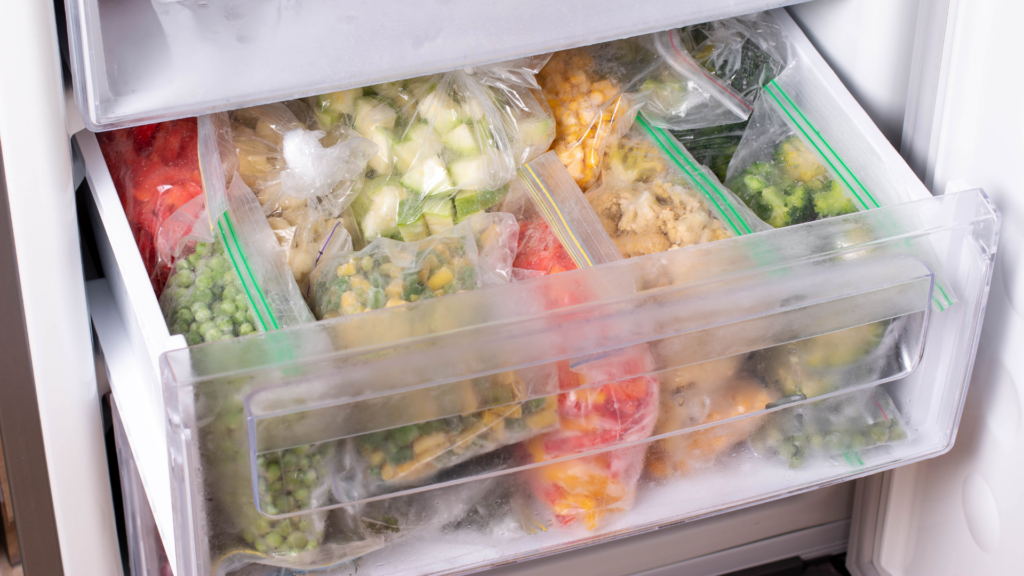
Pack the produce in airtight freezer-safe bags or containers, remove as much excess air as practical, and label everything with the name and date. Keeping portions reasonably sized also makes it easier to take out only what you need. It’s recommended to keep the freezer at 0°F or below.
Don’t Freeze More Than You’ll Actually Use
Bulk buying only saves money when you actually use the food.
Before buying five pounds of discounted apples or several bags of squash, think about how much freezer space you have and how quickly you’ll realistically use the produce. The FDA specifically recommends avoiding impulse and bulk purchases of foods that may not be used before they spoil.
A smaller amount that gets eaten is always a better bargain than a large amount that eventually gets thrown away.
How to Make Your Frozen Produce Work Harder
One of the best ways to save money is to freeze produce in forms that match the meals you already cook.
If you regularly make soup, freeze diced carrots, squash, green beans, and herbs in portions that can go directly into a pot. If you bake often, freeze apples, pears, cranberries, and pumpkin in recipe-sized quantities.
This turns the freezer into an extension of your pantry rather than simply a place where random bags of food accumulate.
Final Thoughts
Freezing fall produce isn’t about filling your freezer just because something is on sale. It’s about taking advantage of seasonal prices and preserving ingredients you already know you’ll use.
Start with a few versatile favorites, portion them according to your cooking habits, and label everything clearly. By the time winter arrives, you’ll have a freezer full of ingredients ready for soups, breakfasts, baking, side dishes, and weeknight dinners.
The best freezer bargain is food you bought at a good price, preserved at its peak, and actually turned into a meal.