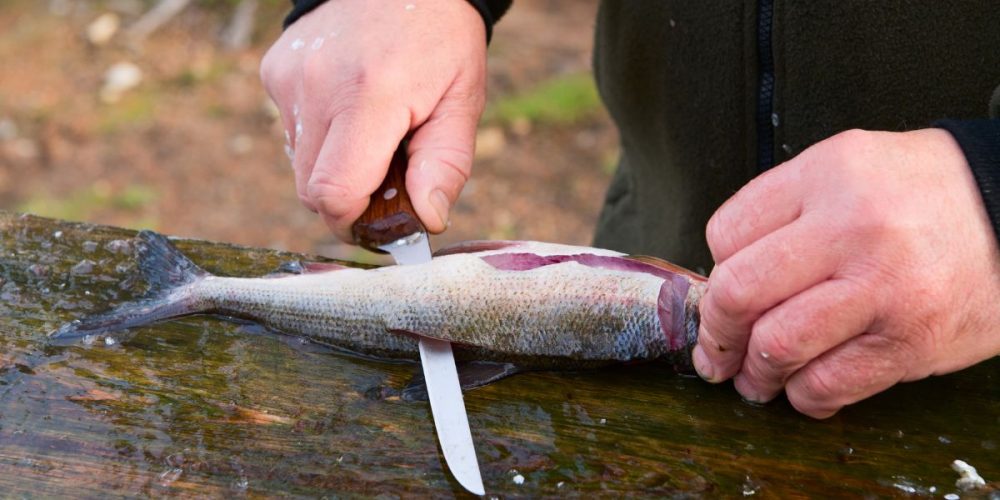
Finding a good fillet knife is about finding one that’s precise, easily controllable, and minimizes waste. The wrong one can tear delicate fish, dull quickly, or worst of all, slip during use. Because of this, a task as straightforward as cutting fish becomes frustrating and inefficient. If we’re asked what the best budget fillet knife is out there, it would be Rapala Fish ‘n Fillet Knife. We’ll tackle this more as we go along.
Going back, luckily, you don’t need to pay a hefty price to find a reliable fillet knife. There are many budget fillet knives today in the market that are made with stainless steel and designed to balance flexibility and durability, which are the two top factors for clean, precise cuts.
In fact, most solid-performing fillet knives fall in the $20–$40 range, offering a strong balance between affordability and usability.

What to Look for in a Budget Fillet Knife
Not all budget knives are created equal, and understanding what actually matters can help you avoid low-quality options. The key is to focus on performance over branding, features like blade material, flexibility, grip, and size will have a much bigger impact on your experience than the name on the handle.
- Blade Material
Most budget fillet knives use stainless steel, which is ideal because it resists rust and is relatively easy to maintain. While it may not hold an edge as long as premium steels, it’s more forgiving and easier to sharpen at home. For most users, this balance of durability and convenience makes stainless steel the most practical choice. - Flexibility
A good fillet knife should have some flex, allowing the blade to bend slightly as you work along the contours of the fish. This flexibility helps you separate meat from bone more cleanly, reducing waste and improving precision. However, the blade shouldn’t feel overly soft or flimsy, as that can make it harder to control. - Handle Grip
Since filleting often involves water, oils, and slippery surfaces, a secure grip is essential for both safety and control. Handles made from rubberized or textured materials tend to perform best, especially during longer prep sessions. A comfortable grip also reduces hand fatigue and improves overall accuracy. - Blade Length
Blade length affects both control and versatility, with 6 to 7 inches being the most common and practical size for everyday use. This range provides enough length to handle most fish while still allowing for precise, controlled cuts. Larger fish may require longer blades, but for general use, this size strikes the best balance.
Why Budget Fillet Knives Are Often Enough
One of the biggest misconceptions is that you need a premium knife to get good results.
In reality, fillet knives are tools that require regular sharpening no matter the price point. Even high-end knives dull over time, especially when working with fish bones and scales.
Budget knives actually make sense for many users because:
- They’re easier to replace
- They perform well for occasional use
- They require less upfront investment
- They’re often easier to sharpen
For most home cooks and casual anglers, a $20–$30 knife is more than sufficient.
The Best Budget Fillet Knives
While the Rapala Fish ‘n Fillet Knife stands out as the best overall choice, it’s worth taking a closer look at how it compares to other budget options. Not all affordable knives perform the same, and small differences in flexibility, grip, and durability can significantly impact your experience.
Below is a more detailed breakdown of the top budget-friendly fillet knives, including pricing, why each was chosen, and where they perform best.
Rapala Fish ‘n Fillet Knife (Best Overall Budget Pick)
The Rapala Fish ‘n Fillet Knife typically falls in the $15–$25 range, making it one of the most accessible high-performing fillet knives on the market. It’s widely available across the US and in many international markets, which makes it a reliable choice regardless of where you’re located.
This knife earns the top spot because of its long-standing reputation for consistent performance. It’s been trusted for decades by anglers and home cooks alike, largely due to its flexible stainless steel blade that allows for clean, precise fillets with minimal waste. It strikes a strong balance between control and ease of use, especially for common fish types.
Pros:
- Excellent flexibility for precise, clean cuts
- Affordable and widely available globally
- Reliable performance for both beginners and experienced users
- Comfortable handle with solid control
Cons:
- Requires regular sharpening with frequent use
- Wooden handle needs occasional care
- Not ideal for heavy-duty or saltwater use without maintenance
Overall, this is the most well-rounded budget fillet knife and a safe recommendation for most users.
Rapala Soft Grip Fillet Knife (Best for Comfort & Handling)
The Rapala Soft Grip Fillet Knife is typically priced between $18–$30, placing it slightly above the classic version but still firmly in the budget category.
It was selected as a strong alternative because of its improved ergonomics. The rubberized handle offers a more secure, non-slip grip, which is especially useful when working with wet or slippery fish. The blade maintains a similar level of flexibility to the original Rapala, so you’re not sacrificing performance, just upgrading comfort.
Pros:
- Non-slip handle ideal for wet conditions
- Comfortable for longer prep sessions
- Good blade flexibility for delicate filleting
- Still affordable and widely available
Cons:
- Slightly higher price than the classic model
- Handle may wear over time with heavy use
- Edge retention is average
If grip and comfort are priorities, this is often the better choice, especially for beginners or longer prep sessions.
Dexter-Russell Fillet Knife (Best Ultra-Budget Workhorse)
The Dexter-Russell Fillet Knife is one of the most affordable options available, often priced between $10–$20. Despite the lower cost, it’s widely used in both home kitchens and professional environments.
This knife was chosen for its durability and no-frills performance. Compared to Rapala, the blade tends to be slightly stiffer, which can make it better suited for heavier fish or users who prefer more control over flexibility. It’s not as refined for delicate work, but it’s extremely dependable.
Pros:
- Very affordable and great value
- Durable and built for repeated use
- Easy to sharpen and maintain
- Widely available in the US and internationally
Cons:
- Less flexible than other fillet knives
- Basic design with fewer comfort features
- Not ideal for very delicate filleting
This is a strong option if you want something simple, tough, and cost-effective.
Ozark Trail Fillet Knife (Best Entry-Level Option)
The Ozark Trail Fillet Knife is typically priced around $10–$20 and is commonly found in major US retailers, making it one of the most accessible choices for beginners.
It’s included here because of its low barrier to entry. While it doesn’t match the consistency or refinement of the other knives on this list, it performs well enough for occasional use and basic filleting tasks. It’s a practical starting point if you’re not ready to invest in a higher-quality option.
Pros:
- Very affordable and easy to find
- Lightweight and beginner-friendly
- Suitable for occasional use
Cons:
- Lower overall build quality
- Blade dulls faster than higher-quality options
- Less consistent performance
This knife works best for casual users or those just getting started.
How These Budget Fillet Knives Compare
While all of these knives fall within a similar price range, they serve slightly different needs. The Rapala Fish ‘n Fillet remains the most balanced and widely recommended option, while the Soft Grip version improves comfort and usability. Dexter-Russell offers durability at the lowest price point, and Ozark Trail provides an accessible entry-level option.
The key takeaway is that even within a budget category, performance can vary. Choosing the right knife depends less on price alone and more on how often you’ll use it, the type of fish you’re preparing, and how much control or flexibility you prefer.
How to Get the Best Performance from a Budget Knife
Even the best budget knife won’t perform well if it’s not maintained properly.
The difference between a frustrating experience and a smooth one often comes down to how you use and care for the knife.
To keep your fillet knife performing at its best:
- Keep it sharp with regular honing or sharpening
- Hand wash and dry immediately after use
- Store it in a sheath or protective cover
- Avoid cutting through hard bones
- Use a proper cutting surface (not metal or stone)
These simple habits can dramatically extend the life of your knife.
Common Mistakes to Avoid
Buying a budget knife doesn’t mean settling. But, it does mean being selective. Avoiding these mistakes will make a bigger difference than spending more money.
Here are the most common mistakes people make:
- Choosing the cheapest option without checking quality
Going for the lowest price often means sacrificing blade consistency, durability, and overall performance. A slightly higher investment usually results in a knife that lasts longer and performs significantly better. - Ignoring flexibility (too stiff = poor filleting)
A blade that’s too stiff won’t follow the natural contours of the fish, making it harder to achieve clean cuts. This often leads to wasted meat and a more frustrating experience overall. - Overlooking handle comfort
An uncomfortable handle can make even a sharp knife difficult to control, especially during longer prep sessions. Poor grip also increases the risk of slipping, which can be unsafe. - Expecting premium edge retention
Budget knives typically require more frequent sharpening compared to high-end options. Expecting them to stay razor-sharp for long periods without maintenance can lead to disappointment. - Not maintaining the blade properly
Even the best budget knife will perform poorly if it’s not cleaned, dried, and sharpened regularly. Proper care is essential to keep the blade effective and extend its lifespan.
Is a Budget Fillet Knife Right for You?
For most people, the answer is yes.
If you’re filleting fish occasionally, cooking at home, or just getting started, a budget knife offers more than enough performance. Even experienced anglers often keep budget knives as reliable, everyday tools.
Higher-end knives do offer better materials and edge retention, but the difference isn’t always necessary unless you’re using the knife heavily or professionally.
Frequently Asked Questions (FAQ’s)
What is the best cheap fillet knife?
The Rapala Fish ‘n Fillet Knife is widely considered the best budget option due to its flexibility, durability, and affordability.
How much should I spend on a fillet knife?
Most people can find a reliable fillet knife between $20 and $40, which offers a good balance of quality and value.
Are expensive fillet knives worth it?
They can be, but for most home users, a budget knife performs well enough with proper maintenance.
What size fillet knife is best?
A 6–7 inch blade is ideal for most tasks, offering a good balance between control and versatility.