The garbage disposal, although a vital part of every household kitchen, tends to be frequently overlooked. It works invisibly in the background making sure meal preparations run smoothly while eliminating garbage that might get in the way of cooking. And for the budget-conscious cook, a sudden jam or a slow-draining sink can feel like an impending financial disaster. A professional plumber’s visit can easily cost hundreds of dollars. It could even wipe out an entire month’s grocery savings in a single hour.
Mastering the mechanics of your disposal is not just a matter of home maintenance; it is a vital skill in preserving your culinary budget. Most disposal issues are not mechanical failures but simple jams caused by fibrous debris or solidified fats that can be resolved in minutes with basic tools and a bit of patience. By understanding how to safely clear and clean this workhorse, you ensure that your kitchen remains a functional space for creativity rather than a source of unexpected repair bills.
Safety First: The Golden Rule
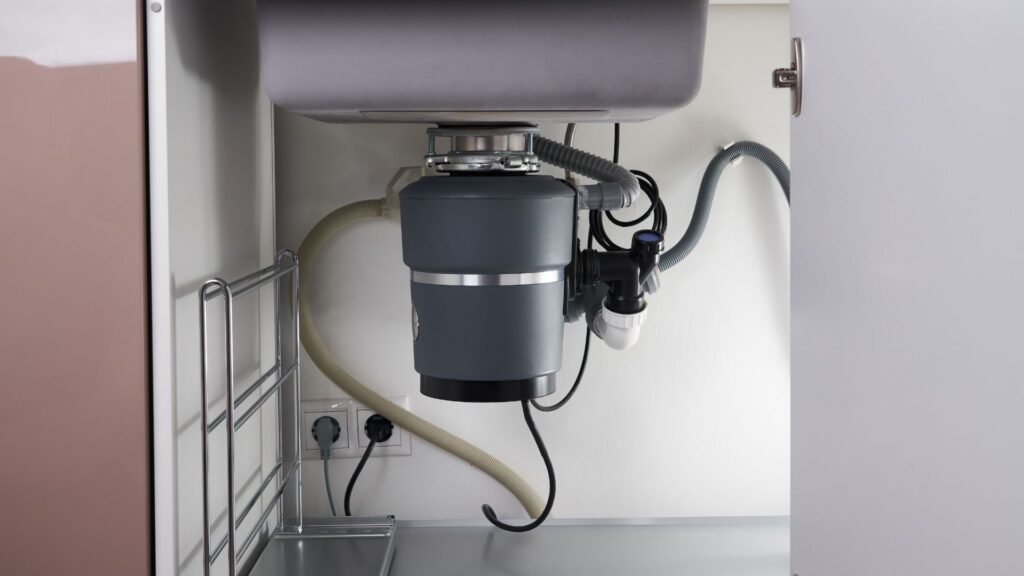
Before you attempt any diagnostic steps, you need to make sure the unit can’t turn on. As a rule of thumb, never put your hand inside a garbage disposal. Even with the power off, the blades (or “impellers”) can be sharp, and the risk of accidental activation is too high.
Disconnect the power. Unplug the unit from the outlet under the sink. If it is hard-wired, turn off the dedicated breaker in your electrical panel.
Step-by-Step: Clearing the Jam
If your disposal is humming but not spinning, or if it has shut off entirely, follow this professional “bottom-up” approach to fix it on your own.
1. The Hex Key Maneuver
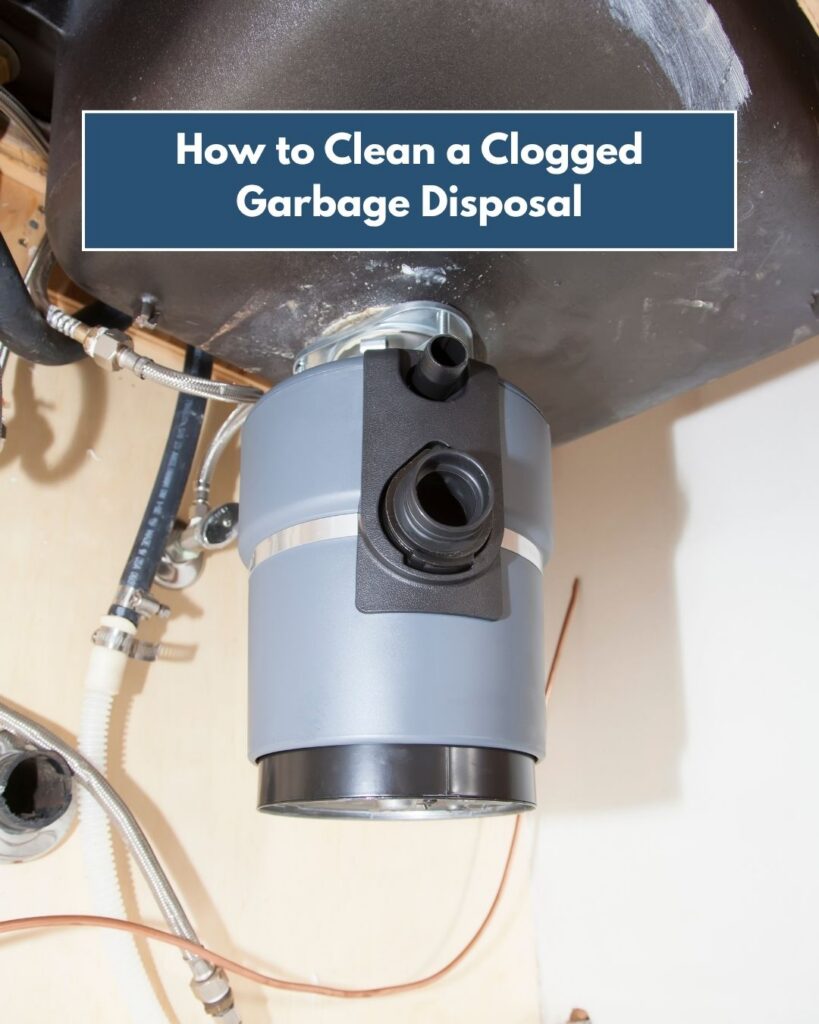
Most disposals have a small, hexagonal hole on the very bottom of the unit (under the sink). This is connected directly to the motor’s drive shaft.
- The Tool: Use a ¼-inch Allen wrench (hex key). Many units come with one taped to the side, but any standard set will work.
- The Action: Insert the wrench into the hole and move it back and forth. If it’s jammed, you will feel resistance. Force it gently until the shaft can spin a full 360 degrees freely. This manually breaks the jam that the motor couldn’t handle.
2. Clearing the Debris
Once the shaft is spinning freely, look down into the drain with a flashlight.
- The Action: Use a pair of long-handled tongs or needle-nose pliers to fish out whatever was causing the jam. Common culprits include fruit pits, small bones, or silver pull-tabs. Again, never use your hands.
3. The Reset Button
If your disposal made a “click” and died completely, it likely tripped its internal thermal breaker to prevent the motor from burning out.
- The Action: On the bottom of the unit, near the hex hole, find the small red “Reset” button. Push it in. If it stays in, restore power and try the unit with plenty of cold water.
The Deep Clean: Banishing Odors and Grime
Once the jam is cleared, “gastronomy on a budget” demands that we clean the unit using inexpensive pantry staples rather than harsh, expensive chemicals.
- The Ice and Salt Scrub: Drop two cups of ice cubes and a half-cup of coarse salt into the disposal. Run cold water and turn the unit on. The ice and salt act as a mechanical abrasive, scouring the blades and the “grind ring” where old food particles hide.
- The “Volcano” Deodorizer: Pour a half-cup of baking soda into the drain, followed by a cup of white vinegar. Let it fizz for ten minutes to break down organic slime. Flush with boiling water (carefully) to rinse.
- The Citrus Refresh: Chop up a leftover lemon or orange peel and run it through the disposal. The natural oils provide a fresh scent and a final layer of acidity to discourage bacterial growth.
Prevention: The Budget Cook’s Insurance
To avoid future clogs, memorize the “Big Four” items that should never go down the disposal:
- Fats and Grease: They solidify in the pipes and act as “glue” for other food.
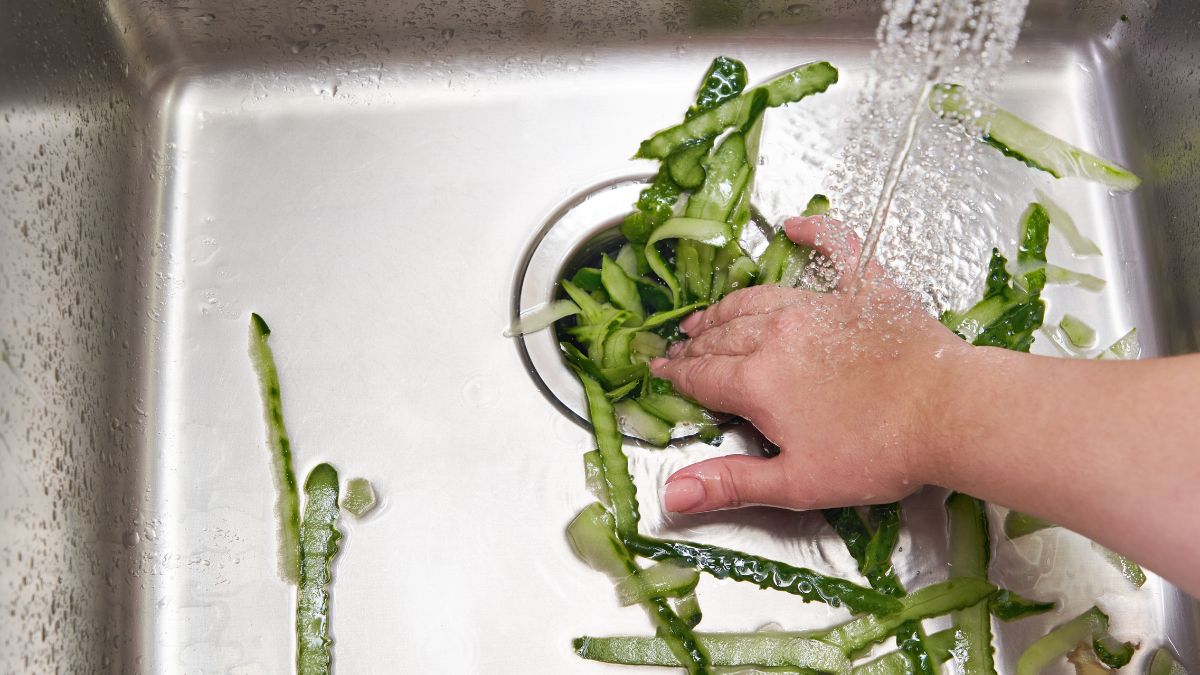
- Fibrous Vegetables: Celery, corn husks, and onion skins can wrap around the impellers like string.
- Starchy Expanders: Pasta, rice, and potato peels swell with water and create thick, glue-like clogs.
- Coffee Grounds: They don’t dissolve and eventually settle in the “P-trap,” creating a dense sediment block.
Maintaining a Functional Kitchen
Self-reliance is the ultimate culinary tool. Whether it’s sharpening your own knives or fixing your own sink, every bit of “DIY” knowledge makes you a more capable and grounded cook. A clear, clean disposal is important in running an efficient home kitchen. When you take the time to maintain your equipment personally, you are investing in the longevity of your kitchen and the health of your finances. There is a profound sense of satisfaction in hearing the smooth hum of a disposal you rescued yourself, leaving you more money to spend on other areas in your home that truly matter.